

Minimum wage workers do the bare minimum. There is nothing hard about a minimum wage job. I don't need to tip the barista at Starbucks, all she did was ring up an order. Those were the thoughts that raced through the head of a middle-class white girl who never had a job in her life. I didn't understand that simply because they worked for minimum wage, or possibly a dollar or two more, that the effort they gave was diametrically different than the minimum. Now, I understand, both physically and mentally, how demanding a minimum wage job can be and how nobody should forget to thank their server. I want the rest of the world to have a similar realization.
After my first day of work, my feet felt raw, my lower back ached, and my brain was numb. Before I worked my first job, I thought to myself, "all I am doing is serving slices of pies to faces that I won't remember at night's end." Boy was I wrong. I didn't just stand there and smile, occasionally ring something up, and carry on with the rest of my evening. I restocked shelves, cleaned up after little children, cleaned up after adults. I sampled out food, swept up the floors, and dealt with customers of all kinds: noisy, drunk, friendly, foreign, rude, and ordinary. Regardless of the person I served, I did my best to ensure that they walked away from my counter feeling as if they were the most important person in the world. Don't get me wrong, I love my job and at the end of the week I do walk home with a rewarding paycheck, but it is the lack of gratitude towards minimum wage workers, like myself, that make the job so difficult.
Working a minimum wage job shows you how to become more flexible. What do I mean by that? I mean that you walk through a store door and do not expect 'yes' to always be the answer to your questions. It's understanding that the service you receive will be as efficient as possible, but sometimes the speed will not be up to your standards. Ultimately, you realize that just because you want it, doesn't mean it will always happen. Your server is imperfect, just like the customer.
Working a minimum wage job teaches you how to understand. Sometimes people stereotype minimum wage workers and label them as ex-convicts, someone who preferred not to pursue a higher education, or could not afford higher education; they are the high school kids who are working for a little extra spending money, or foreigners who don't have a work visa and this was their nicest job offer. When you work a minimum wage job, you come to the realization that each server is a unique individual. Maybe your server did go to college, but decided there was more to life than money. Or, they are working tremendously hard to pay for night school while working full time. Minimum wage workers can’t be stereotyped. Additionally, you learn that even if your server isn’t in the best mood, it doesn’t mean it is geared towards you. You figure out they try to put on a smile for everyone, but sometimes a rude customer or a bad day can wipe that off their face.
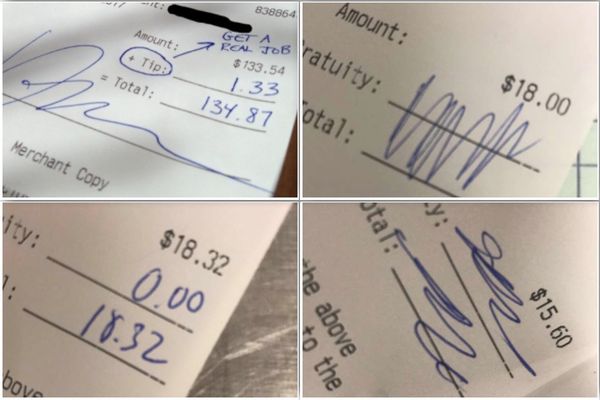
Working a minimum wage jobs teaches you kindness. Before I worked a minimum wage job, I rarely tipped, unless I was at a restaurant. I thought that it was no big deal; they don’t need the money because my server receives a fair paycheck. However, I learned that a tip means so much more than extra change to weigh down your wallet. A tip shows that you appreciate the hard work that went into getting you everything you needed; it signifies the satisfaction you had with your experience. Now, when I go anywhere, I am hunting for the tip jar. And in some cases, if they don’t have a tip jar, I tip anyway because that means more than just slipping my extra change in a bucket.
Minimum wage jobs will provide you with a unique outlook on life if you allow them to. If you never had one, you don’t quite understand, and until you get one, you never will. Minimum wage workers are people too; don’t stereotype, be unappreciative, or insist perfection. Be understanding, flexible, and kind. I know it is hard to imagine what your server’s day was like before you got to the counter, and it is nearly impossible to think about how your minuscule interaction will impact them after you depart, but try to think about it. Consider that their feet might hurt, back might ache, and they physically cannot carry on a conversation. Remember that they are simply humans trying to get through the day, much like you, just working at minimum wage while providing maximum effort.

















