
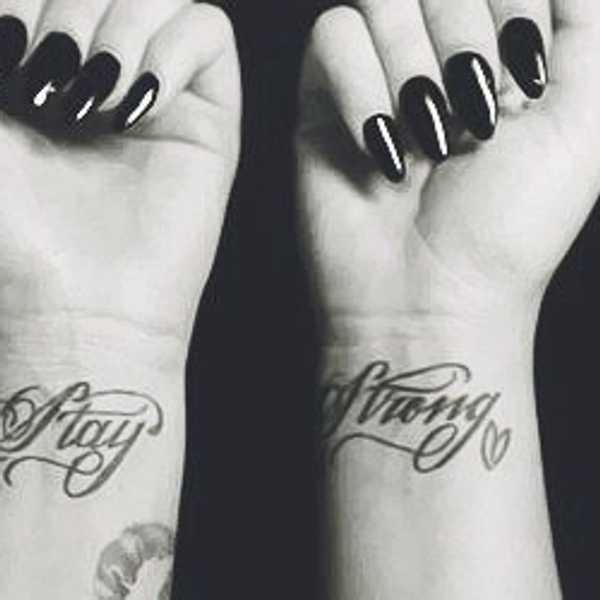

How does one feel living with a mental illness? Do you know?
The only way to answer that question is with clinical terms only your doctor would understand, but often times even those words don’t do justice to what life feels like when living with a mental illness.
“Mental illness is like fighting a war where the enemy’s strategy is to convince you that the war isn’t actually happening.”
The month of May is almost over but it is still Mental Illness Month and it is more important than ever to talk about the issues dealing with mental health illnesses.
To begin, we have to make sure everyone understands what a mental illness actually is. The National Alliance on Mental Health (NAMI) states that a mental illness is a condition that impacts a person’s thinking, feeling or mood and may affect his or her ability to relate to others and function on a day-to-day basis. With that, there are many types of mental illnesses, some of which are: mood disorders, schizophrenia, anxiety disorders, panic disorder, obsessive-compulsive disorder (OCD), eating disorders, social phobia, and attention deficit hyperactivity disorder (ADHD).
Many of you may already know of one or two of the listed disorders solely because someone you know is dealing with or has been diagnosed with one or more of these illnesses.
It is estimated that 26.2 percent of Americans ages 18 and older, or 1 in 4 adults, suffer from a diagnosable mental disorder. That approximates to nearly 61.5 million people alone in the United States. So with such a large number, why is the subject of mental illness still so taboo?
With mental health being a growing global issue, so is mental health stigma and discrimination. Nine in ten people told Time to Change, an organization that works to challenge mental health shame, that they face humiliation and judgment because of their mental illnesses. 58 percent of those people said that the discrimination itself was as bad, if not worse, than the illness itself.
Mental health stigma isolates people, excludes them from day-to-day activities, stops them from getting and keeping jobs, has a negative impact on physical health, and most significantly, stops people from seeking help.
This stigma associated with mental illnesses can prevent people from talking about the ways they are feeling, their disorder(s) themselves, and getting help. The most helpful thing someone can do is talk about mental or emotional issues with a friend, family member, or person you trust. This is the first step in getting help and preventing suicide.
Mental Health month is coming to an end, but together we can support others with illnesses as well as fight alongside many organizations to bring awareness to mental disorders and to break the stigma chain that comes along with them!