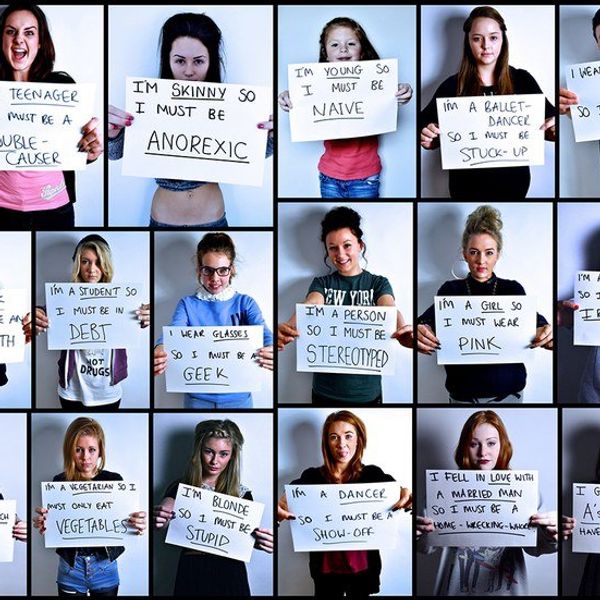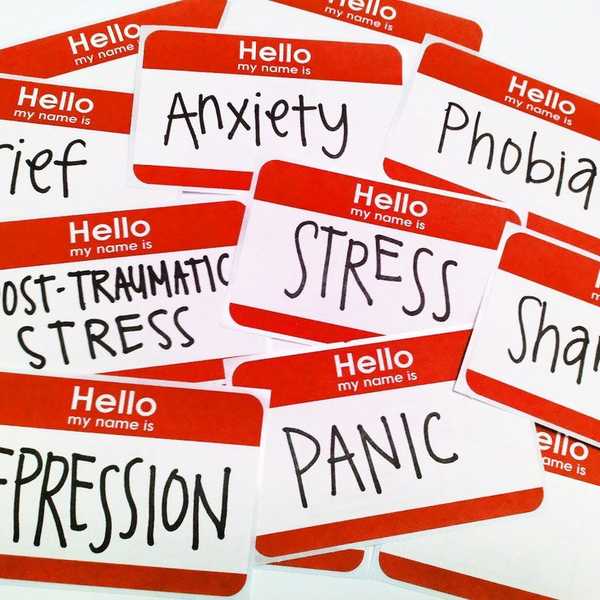


Picture yourself walking down the street. Begin counting off every fifth person you see. Statistically speaking , approximately every five people suffers from a mental illness. Surprising information? Maybe that is because mental health is not a commonly-discussed topic. We all know that mental illnesses exist, so why don’t we talk about them more often? There is a good chance that someone you know experiences a mental illness. Maybe you suffer from one yourself. Either way, mental illness is a real thing. It is a part of a person’s health. So, let's talk about it.
According to Psychology Today, there are two aspects of mental health stigma. There is the social stigma, which is the discrimination of individuals with mental health problems. Then there is the self-stigma, which is categorized as the internalization by the sufferer due to awareness and fear of discrimination. The most common assumptions associated with the stigma stem from the beliefs that mentally ill people are dangerous, that mental illnesses are self-inflicted, and that people who suffer from a mental illness are difficult to communicate with. Regrettably, some people tend to cling to these convictions, certain that those who suffer from such illnesses should be compartmentalized within society and held an arm’s distance away. It is known throughout history that people with mental health concerns have been treated differently than anyone else. They are deemed as “crazy” and said to have “issues” unlike those that society feel to be “normal.”
Newsflash: there is no such thing as normal. Every day, each person wakes up with personal baggage that is towed around all day. Whether it be social, spiritual, physical, or mental. I know multiple people who suffer from mental illnesses. I also know that some of these people have been shaken to their core with denial and fear due to their illness. They refused to admit it, and they refused to get help. Why are they so afraid? When we wake up with a sore throat, we go to the doctor. We get a prescription to help us feel better in a couple of days. When we break a bone, we go to the hospital. We get a cast and flaunt it at school for people to sign. So, why, when something is wrong inside of our brain, do we hide it from the world? Why is it so hard for us to get help when it is mental?
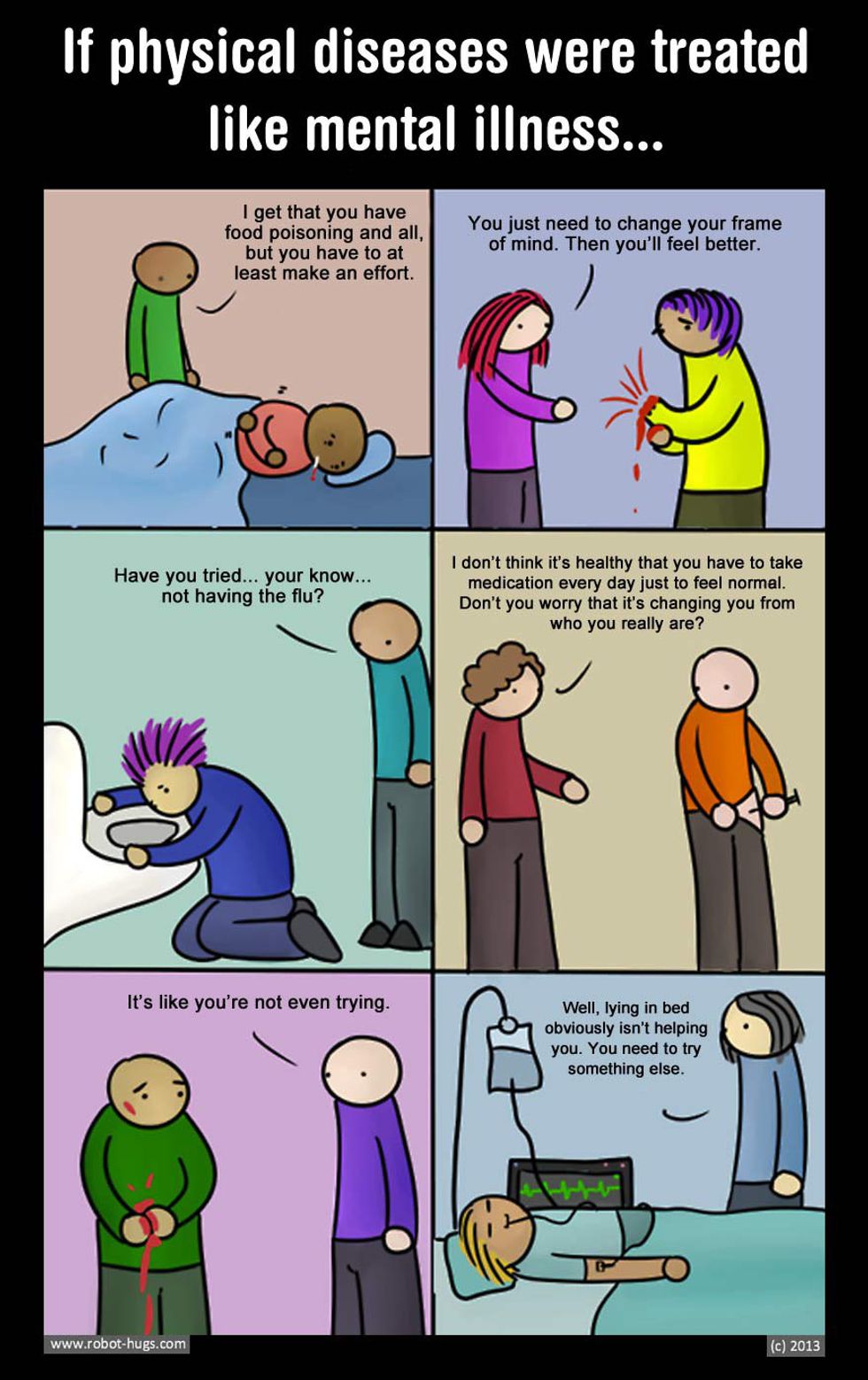
Mental illnesses are just as much a part of a person’s health as a terminal disease or even a common cold. Those with a mental illness should not be treated any differently than a person with a physical illness. Sick is sick, no matter where it stems from. By treating them differently, you are further hurting them. Supporting the stigma can make people feel ashamed of their illness and feel isolated. Ninety percent of those who commit suicide have been proven to have an underlying mental illness. A person’s illness is a part of them. It is part of who they are. No one should be ashamed of who they are, no matter what anyone else says.
How do we overcome the stigma? Educate yourself on mental illnesses. Educate others. Reach out and speak about it. Stand against the stereotypes. People who suffer from mental illnesses are not necessarily dangerous. According to the American Psychiatric Association, a majority of the people who are violent do not suffer from mental illnesses. Most importantly, people can not just snap out of their illness. It is a disease that they cannot control, and it should be treated as such. Lastly, people with a mental illness are still people. Just because they are struggling with something does not make them lesser human beings. They function just as you do and don't take well to being treated as pariahs.
To those who suffer from a mental illness: it is okay. You are okay. There is nothing "wrong" with you. It is okay to stand up for yourself and seek help. Admit it to yourself. Admit it to your family and to your friends. You are not your condition. You do not have to fear your life. I cannot stress this enough.
We need to talk about mental health awareness. Combat the stigma. Now. Make it so that people no longer have to live in fear of who they are anymore. So that the next high schooler can stand up and tell his or her parents. So the next college student can go to counseling the next time they are questioning whether or not they can make it through the night. So the next person can choose life and choose to get better. We can help. We can change the way others live. We can end the stigma. So, talk.