


***This article is a response to Engineering Material's article, "Inspired by Nature: The Next Generation of Medical Textiles," which can be found here: http://www.materialsforengineering.co.uk/engineeri...
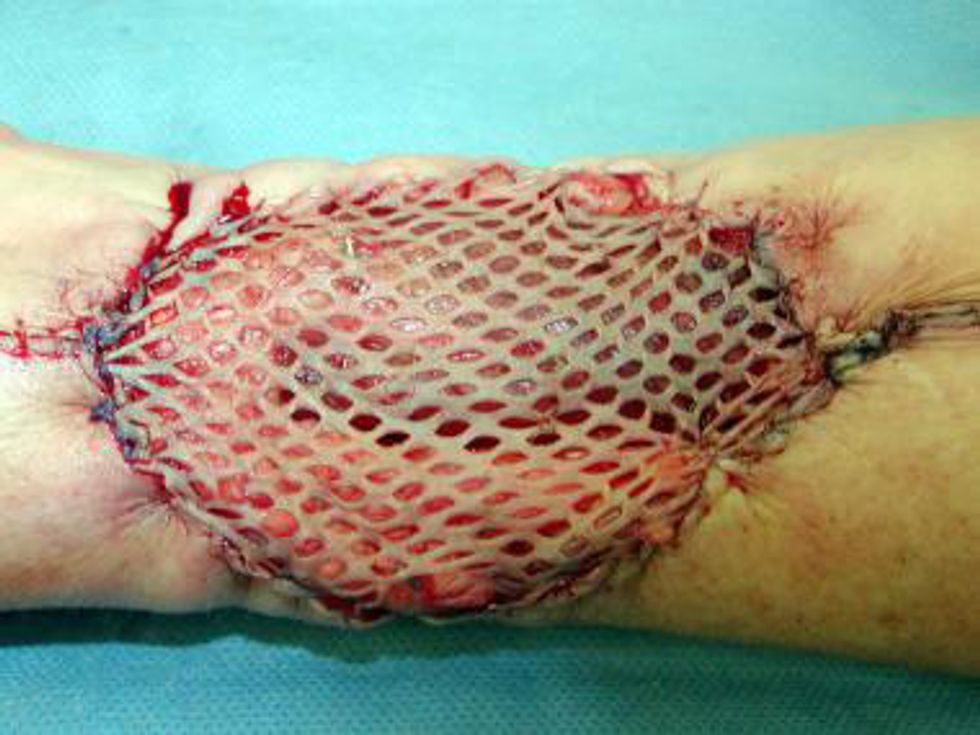
While many consumers regard the textile industry as supplementing only the manufacturing of apparel, specialized fibers and materials are crucial to a multitude of other markets, including the medical industry. In a recent article published online by Engineering Materials, new textiles are being explored that draw beneficial attributes from natural fibers, while also implementing advantageous properties of man-made ones. Synthetic fibers, produced utilizing human technologies, are oftentimes manufactured to mimic characteristics of fibers organic to nature. Here, that concept is exemplified, and the two subcategories of textiles work harmoniously to counteract medical ailments. Additionally, this article dissects the unique performance properties that these medicinal fibers possess. These traits are of extreme importance in the medical field, because the fibers used for materials like bandages, artificial tendons, and skin grafts require specific characteristics, such as strength, absorbency, elasticity, and biocompatibility. Nanotechnology, which can be defined, in terms of textiles, as being a finishing applied at the molecular level to materials to yield distinct traits, is utilized in almost all medical supplies to offer additional aid to the patient. Through nanotechnology, medical materials can be produced that speed up healing (antibacterial/antifungal textiles) or even imitate physical characteristics of the human body (synthetic tendons/valves). The process of actually producing these hybrid medical fibers is noted in this article, and centers on creating continuous fibers of collagen and then spinning them like thread to later weave. These types of mechanisms are easily duplicated in laboratories and therefore can be conducted on a relatively wide-scale basis.
The primary reason I enjoyed this article was because aside from being informatively rich, the author was also able to demonstrate a necessary connection between two seemingly-unrelated industries. This reflected an important concept, centering the idea that no matter how varying ideas or areas of business are, innovation can be maximized with passion and open-mindedness. With the constant improvements of science and technology and the ability to manipulate fibers to speed up healing or even create functioning body parts, there is a strong potential for the textile industry to offer great change to the future of healthcare. Perhaps someday, textiles will change the way physicians perform organ transplants or even assist in the fight against cancer. Nonetheless, the importance of textiles and fibers should never be underestimated when they offer such promise to change peoples’ lives.