

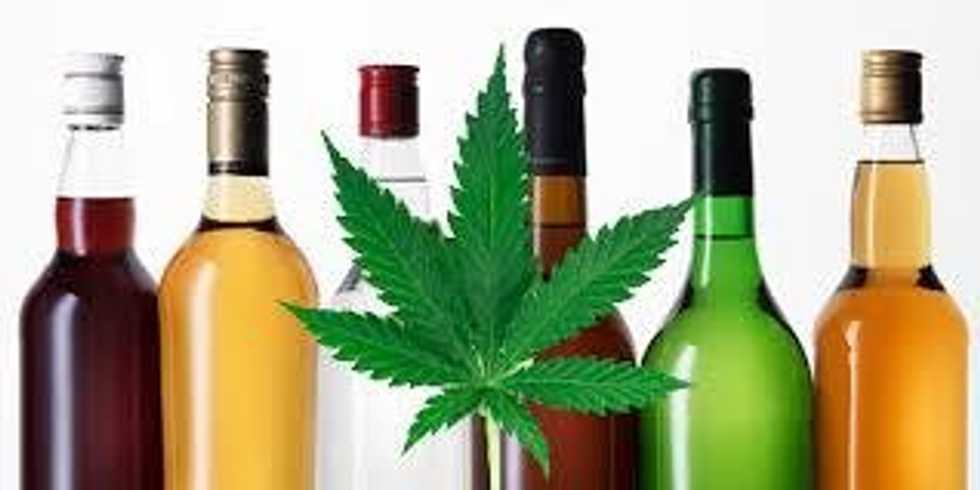
Cannabis, otherwise known as marijuana, is heavily stigmatized in our society, to the point where people believe it is as dangerous and detrimental as drugs such as heroin, meth, cocaine, etc. However, this belief is simply false and fabricated by those who are uneducated about its numerous benefits. Marijuana should be legal and regulated like alcohol due to the overwhelming evidence proving this.
Marijuana is not a perfect drug. There can be adverse effects to taking the drug, but there are incredible benefits to cannabis as well. Some adverse effects include anxiety, hallucinations, and increased heart rate. Most people know the benefits users experience from the drug, such as a feeling of relaxation and calmness, but the most important benefits are ones felt from marijuana when used for medicinal purposes.
Glaucoma, seizures, and multiple sclerosis are just a few of the many conditions that cannabis can treat or help with the discomfort of. CBD, or cannabidiol, is often extracted from marijuana to treat patients, which still gives patients the benefits of marijuana without feeling high. THC, or tetrahydrocannabinol is the chemical that makes a user high, which is often the aspect of marijuana that is criticized. However, THC can also have medicinal benefits, such as relieving pain. An anonymous source that asked to be unnamed due to legal consequences of using marijuana told me of their anxiety struggles, when they said, “Due to my anxiousness, I have trouble falling asleep every night and eating meals without feeling nauseous. If I smoke when I wake up, I am able to live like everyone else. That’s all I want.”
To understand why marijuana is illegal, we must learn about its history in the United States. Marijuana had its first restriction in the U.S. with the Marihuana Tax Act of 1937. This law was put in place due to the fear that men of color would become violent on the drug and be a threat to women. This act banned any use or sale of marijuana.
This myth that marijuana causes people to become violent roots in racism, since the reason for marijuana’s ban was to due the fear of men of color. There are inconsistent findings concerning the correlation between marijuana and violence. Therefore, there is no way to conclude that violence is caused by the use of marijuana.
Since there is no proof that marijuana causes violence, it’s very probable that this was a way for the government to control people of color, since they were the ones mostly convicted for marijuana use, though white people used the substance as well. In the 1970’s, this act was replaced by the Controlled Substances Act, that put drugs into certain schedules according to their ability to become dangerous. The Nixon Administration decided to make marijuana a Schedule 1 drug, meaning that drugs in this schedule have a high potential for abuse, and has no accepted use for medical treatment. This means marijuana is grouped with the most dangerous drugs available in the United States, such as heroin, meth, and MDMA.
Drugs in Schedule 1 are the most dangerous with no accepted medical use, while Schedule 2 drugs are considered dangerous but have some sort of medical use. Cocaine is sometimes used as a topical anesthetic; therefore, it is somehow less dangerous than marijuana. However, as I’ve stated, marijuana has a vast amount of medicinal benefits that can greatly improve the lives of those living with debilitating conditions. Moving marijuana to a Schedule 2, or perhaps even a Schedule 3, 4, or 5 drug, the stigma around it will lessen and people will understand its positive effects more easily. Though there is a stigma regarding marijuana, many believe that it should not be considered Schedule 1.
Maybe I’ve convinced you that marijuana shouldn’t be placed as a Schedule 1 drug, or that it shouldn’t be so heavily banned. But regulating the drug like alcohol is quite a reach. Why would I want marijuana to be legal to those 21 and over? Well, here’s some facts that explain why.
The Center for Disease Control and Prevention states that 2,200 people die from alcohol poisoning each year. On the contrary, 0 people have died from a marijuana overdose, ever. Also, alcohol withdrawal has endless negative side effects, including anxiety, seizures, hallucinations, and sometimes even death.
Withdrawal is very rare with marijuana, since marijuana addiction happens infrequently. However, marijuana withdrawal occurs, the symptoms are less severe, such as insomnia and loss of appetite, according to Healthline.com. Though marijuana can have adverse effects, the fact that an overdose is impossible shows that marijuana is far safer than alcohol. Also, our bodies recognize alcohol as a poison, which is why it damages our bodies so severely with conditions like liver disease and cirrhosis of the liver just to name a few. On the contrary, there is no evidence to show that marijuana is permanently detrimental to the human body. It can irritate lungs if smoked, but this can be reversed and can be avoided if used in different ways.
I am not promoting or denouncing the use of marijuana. However, marijuana has numerous medicinal benefits and even if used for recreational purposes, there is no chance for death with the drug. Marijuana can be extremely beneficial to those with debilitating conditions, and is far less dangerous than alcohol. Therefore, it should be regulated like alcohol, or perhaps should be even less regulated.