
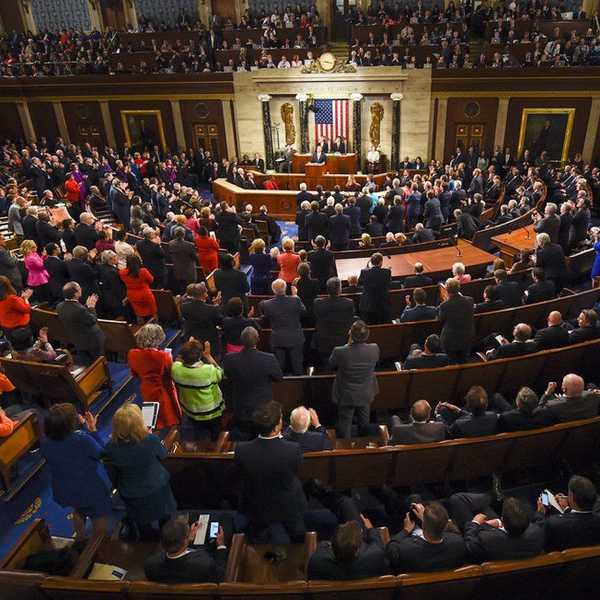
Unsurprisingly, living in Washington, D.C. comes with a lot of conversation about politics, culture, money, policy and more. In reflection of the approaching Iowa Caucus and the talk that’s only about to heat up, how will we effectively put our voices and thoughts forward? Sometimes by shutting up.
As students of a university based in a political hotspot, it’s easy to think we have the power, environment and education to publicly express our thoughts on pressing issues. And, to a certain extent, this is true. With internships, experienced professors and direct exposure to issues in the city, D.C. students are often in touch with national issues that reach home base in the United State’s capitol.
However, it’s important to recognize our limits in order to effectively learn, grow and participate in conversations that are shaping our country and world. For example, recently I found myself saying “When Sarah Palin supports Donald Trump, that’s when you know…” to a friend. In response, that clever friend of mine asked me why I didn't like Sarah Palin. Immediately, I recognized that I did not know much about Sarah Palin except from what I had learned about her public image from SNL and comedian Stephen Colbert.
Herein lies the issue. Many of us often, unconsciously, pull a classic Donald Trump and state positions which are more like “thoughts of the moment, or opening bids” as described by Gail Collins of The New York Times. Sometimes, we speak without filter and offer opinions in which we have no proper education or backing to support. It’s not about being politically correct, it’s about recognizing the complexity of issue, educating yourself and considering all sides (which, in all honesty, can take a lot of work but is well worth the outcome).
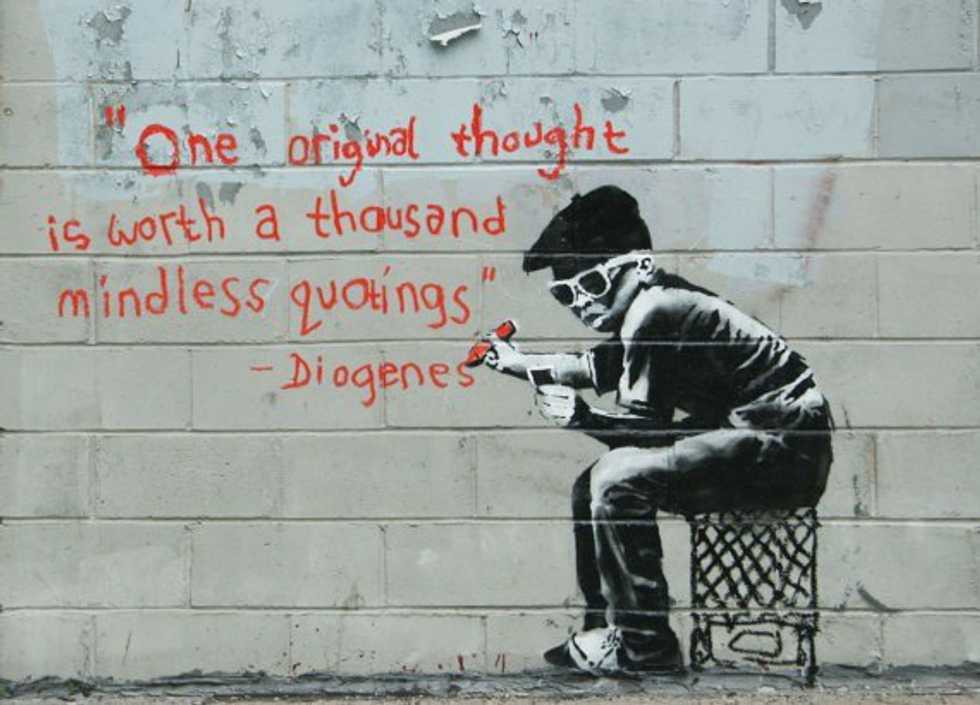
While it’s a great thing to voice thoughts and feelings, empty words and mindless suggestions do not contribute to an educated, intelligent, and progressive community. Moreover, it is that sort of commentary that has the potential to drive a hostile and divided conversation that could have been avoided through some research and reading.
Saturday Night Live has touched upon this issue through their "Should You Chime in on This?" skit. Three “idiots” are asked if they should state their “beliefs” on issues they know nothing about. Again and again, despite direction to refrain from chiming in, they do, only to support uneducated, fruitless and often angering forms of communication. While the skit presents a hyperbolized view, the writers bring to light a very important point. It is often best to keep quiet on issues you have no association, knowledge or exposure to. Moreover, people should take awareness of their ignorance and turn it into an impetus to become more educated on an topic they would like to participate in.
2016 marks the first year I will be able to vote for the president of the United States. I take this as a responsibility to learn more about my country, foreign and domestic policy, politics, economics, the environment, race, gender, religion and more. Here are a few ways I plan on doing this:
Reading the newspaper.
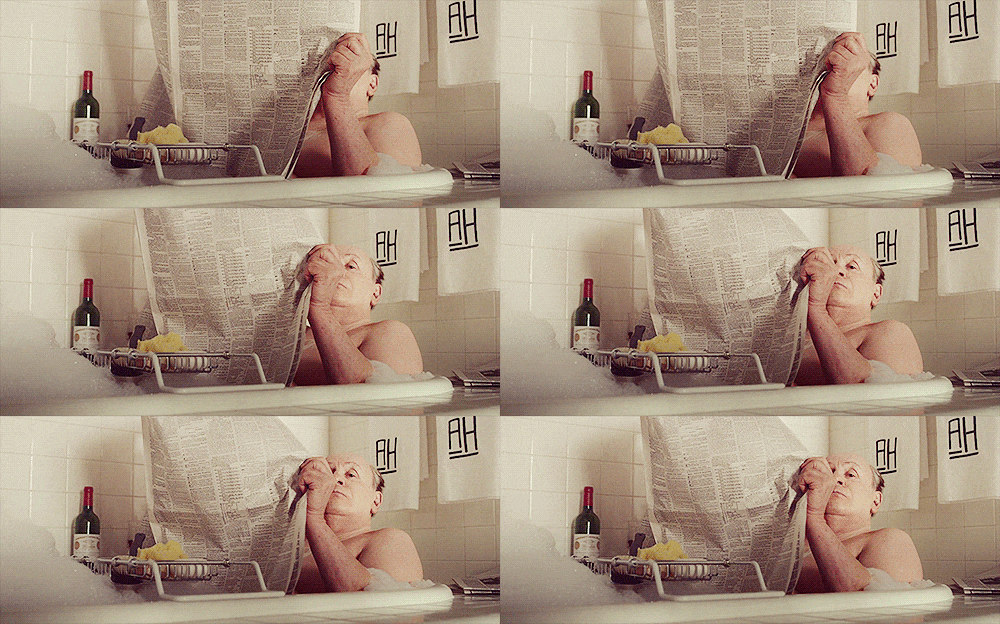
Asking questions.

Reading books.

Asking myself how I contribute to the culture and environment of the US as an individual and as a member of a group.

Talking to my professors.

Attending events in D.C./the city.

Participating in the events my university is holding regarding different issues.

Taking note of the things I need to learn more about (everything).

Focusing on speaking more thoughtfully.
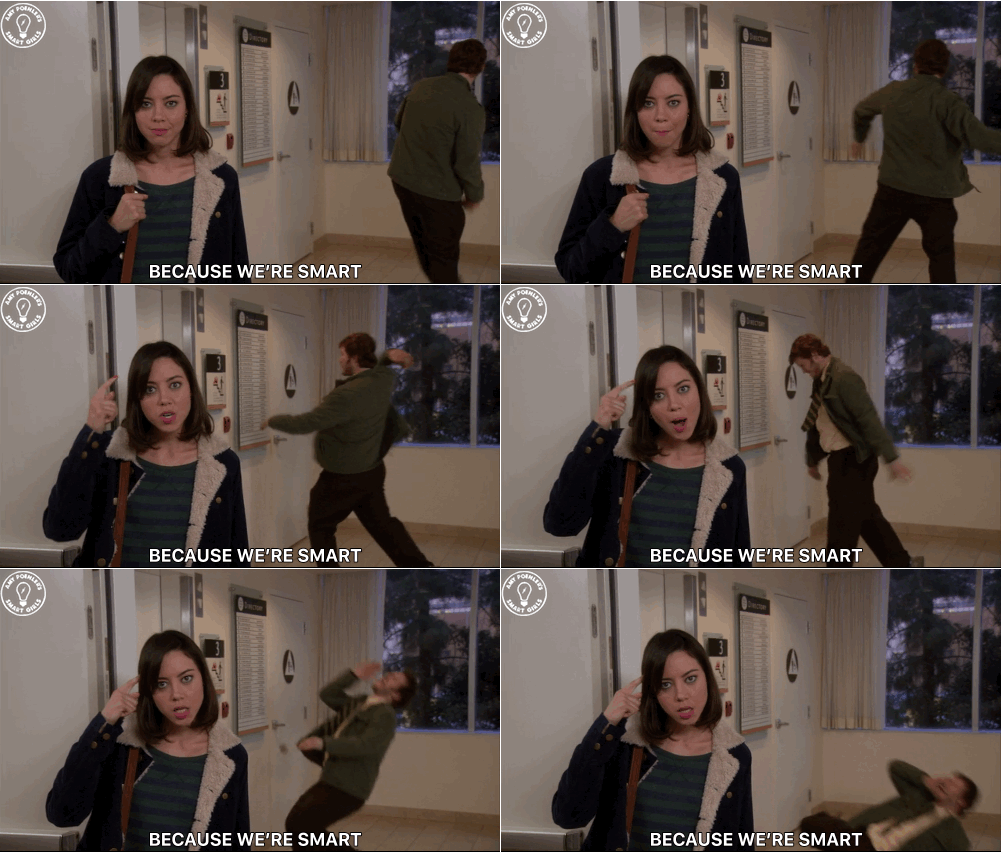
Let’s make America great again shall we? Here’s to saying it just like it is, for what it REALLY is.