Alzheimer’s disease and I go way back. It started with my mother’s mom (Grandma), who kept asking when I was coming on stage when she came to see me in a musical. She could not remember I had just exited minutes before. It was whispered in our family: Alzheimer's. At the time, it was just a word to me. It wasn’t until years later that I fully grasped what it meant for my grandma’s future.
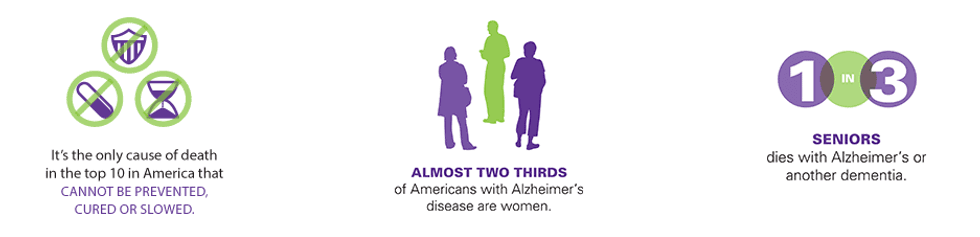
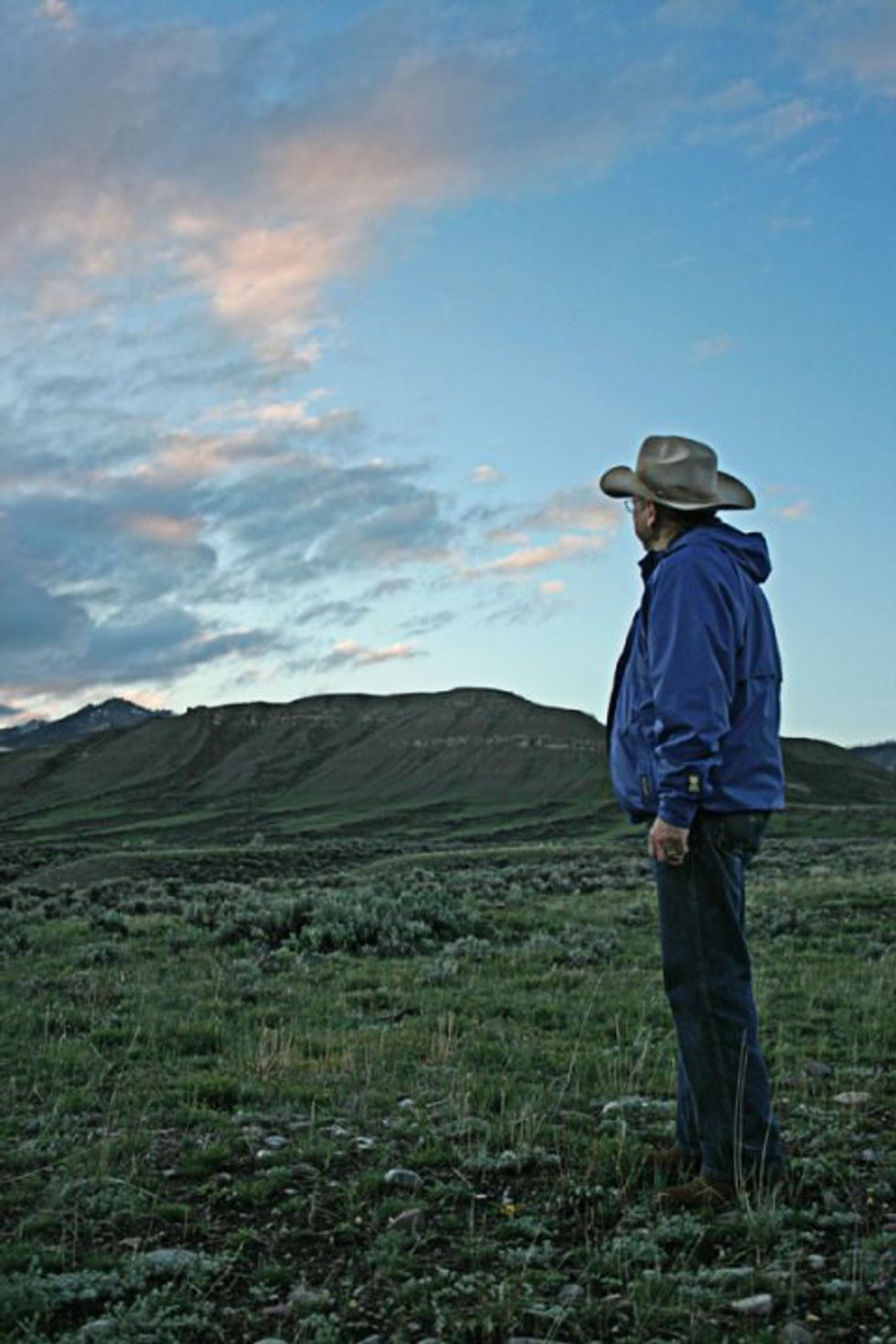
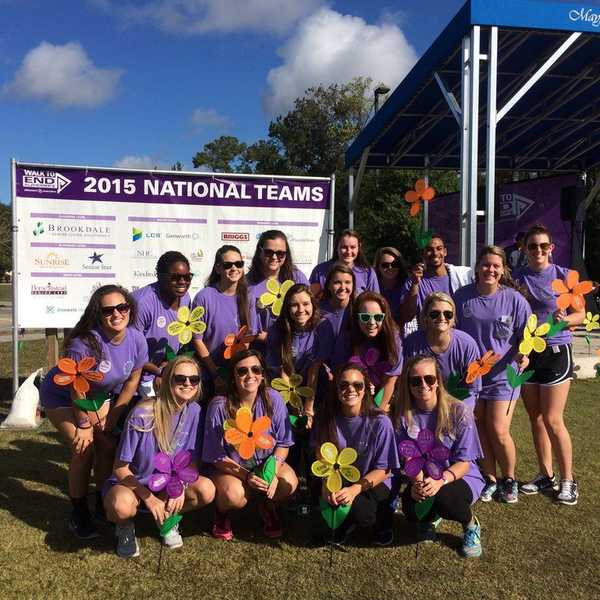
(Photo Credit alz.org)
What the word really meant was years of confusion, sadness, and frustration for her and her family. Things she used to do with ease, she soon struggled with. Names, objects, and actions came slower and slower until, one day, my grandpa simply couldn’t take it. He was in his late 80s and simply couldn’t take care of her anymore. It was time for a treatment facility.
By this time, I was in high school and fully aware of what was happening, or so I thought. I soon realized that this disease did not just take away her memories; it was killing her. She couldn’t remember how to breathe, how to eat, and eventually her organs simply stopped working. We got the call in Florida that she passed away, and I didn’t know what to feel. I hadn’t seen her in months and couldn’t even attend the funeral.
Fast forward 5 years to my dad’s parents. One is a full-time teacher, still loving every minute of her job, and one is a retired bio-medical engineer, hard at work on his latest book about the functions of the brain. However, that book will never be finished, because the functions of his brain are failing.
We meet again, Alzheimer’s.
This is the man I grew up with. We have lived 20 minutes away from each other my entire life. He has seen my successes and failures and loves me unconditionally anyway. Seeing him deteriorate before my eyes is something I cannot put into words. The man who had once worked for NASA now can barely go through a meal without dropping or spilling something.
Alzheimer’s took away my grandma’s life, and I couldn’t really be there for her. I’ll be damned if it happens this time. This time, I have a plan.

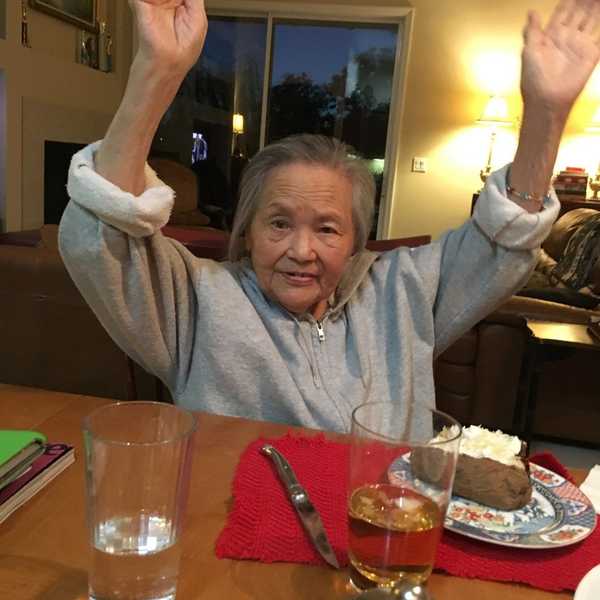
(Photo credit triplescoop.biz)
My guide to coping with a family member or friend with Alzheimer’s:
1. Make as much time for them as possible.
I don’t live near them anymore, but when I go home to visit, I make sure to pay special attention to stories he wants to tell or discussions he wants to have. I know it means a lot to him, and even if he repeats himself or can't remember a name or two, I listen intently to what he has to say.
2. Do things you may not want to do, but they want to do.
I can’t tell you how many times that wonderful man has asked me to watch an old western movie with him, and I have declined in favor of going shopping. Next time is different, though. I vow to sit for hours watching movies with him, making memories that will forever stay with me.
3. Don’t ignore the differences in their personality.
People with Alzheimer’s tend to get frustrated or angry more easily. Instead of trying to ignore their mistakes, try to relate. One time he spilled a big glass of water because he doesn’t have great muscle control. So I just told him I spill stuff on myself all the time (which is unfortunately true) and not to worry about it.
4. Love them unconditionally.
You would think this would go without saying, but coming from experience, sometimes it is difficult when the person you love can’t even remember your name. No matter what name they call you, how angry they get, the offensive things they say...remember that they are not themselves. Remember the times they saw a darker side of you (they found out you drank/smoked/partied/lied/etc.) and yet continued to love you through it all.
5. Remember the good times.
It sounds cliche, but dwelling on what is happening to them now will not make them feel better, and it will definitely not make you feel better. The memories you want to cherish are the ones of them being there for your prom, sending you off to college, or coming to your first piano recital. Those are the ones you want to keep in the forefront of your mind.
6. Know that their suffering will end.
I am a Christian, so I firmly believe in Heaven. Whatever you believe, after everything they had to go through, once they pass on, they are in a better place. They are in a place where they recognize you and your family, where they can do everything for themselves, and where they aren’t in any more physical or emotional pain.
My granddaddy is still alive and kicking, and though he is slower and a little more confused recently, he is still in a good place right now. I am going to take advantage of that and love the heck out of him for these next few good years.
That’s my best advice. Love them for who they truly are, not for what the disease makes them.