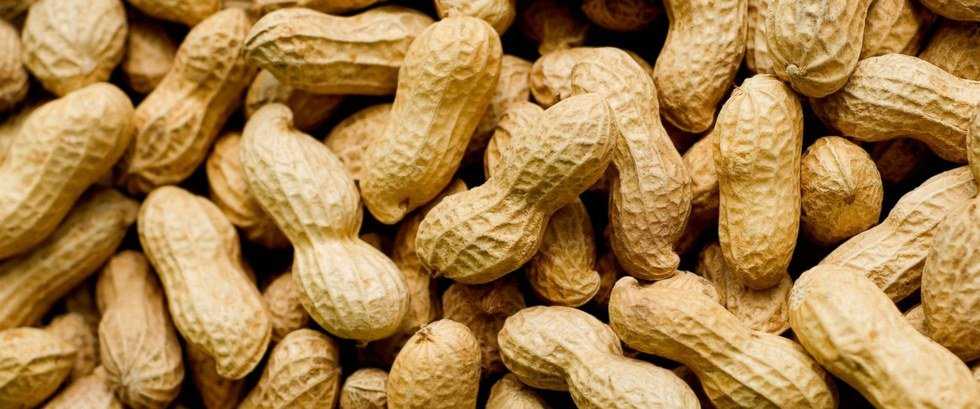
It all started when I was two. My Mommy And Me class was painting pine cones with peanut butter to feed the birds, and the second I touched that peanut butter, my face began to swell. In that moment, allergies meant nothing to me; ever since that moment, allergies have become a huge portion of my life.
After that reaction, I got my first skin test. We found out I was highly allergic to peanuts and tree nuts, but that was just the start. On my kindergarten trip to the circus, I fainted because of the peanuts in the air. That's when we found out it was airborne, and life became a tad more complicated. Not only did I now have to worry about what I was eating, but I also had to worry about what everyone else was eating around me.
When I was younger, allergies weren't as popular as they are now, so it was a bit of a battle getting others to respect my airborne allergy. Asking other moms to refrain from sending peanut butter in their kids' lunches wasn't always easy. Schools also weren't as understanding as they are now. My mom had many meetings with administrators before my classrooms were "nut-free" and I got to sit at a "nut-free table" in the cafeteria. Airplanes became almost impossible. Even when we fought to get the flight attendants to make an announcement about my allergies and to pull nuts from being sold, people ate the nuts that they had brought from home, causing a few mishaps. I will never blame anyone that didn't understand in the beginning because I know that unless you really experience having an allergy, it is extremely difficult to understand exactly what it's like, and that is no one's fault.
In first grade, I spent two consecutive Saturdays in the ER, and that's when we found out I was allergic to soy. I call soy the silent killer, because most people don't realize that it's in almost everything. From then on, I had to read labels a lot more carefully, and usually more than once because it's really easy to miss something in the first read.
Flash forward through multiple years of annual blood tests and avoiding my allergens (now including shellfish), and bam, twice in the last few years, I had to use my EpiPen. Once, my mom turned around to the back seat of the car from her passenger seat and stabbed me in the leg with the EpiPen on our way home from a restaurant, and another time, I administered the EpiPen to myself after eating pasta made of ground lentils and chick peas (both legumes in the same family as my other allergens). I learned that the EpiPen makes you very shaky, but it also saves your life, so there's a trade-off there. Also, it actually doesn't even hurt when the needle goes into your leg.
But following these two reactions, I've learned about the anxiety that comes along with returning to everyday life. After having severe reactions as I was older and more aware of the severity, I found myself always considering the possible wrong outcomes of eating a certain food. What if the chef didn't clean the grill well enough after cooking shellfish? What if the bread had soy flour?
For a while, after the reactions, I pretty much always ate home-cooked food, or went to two or three places that I knew had always been safe. This past August when I went to college, however, I was forced back into the anxiety-provoking world of a stranger cooking my every meal.
In college, the dining hall is always moving very quickly--many students coming in and out, and the chefs cooking one meal after another. This new fast-paced environment screamed cross contamination for me, and at first I was scared out of my mind to eat every meal. I soon became the girl who was always asking the chef to change his gloves, clean the grill and use new utensils, but I now have my go-to meals that I know will always be safe.
So, what does growing up with allergies mean? It means turning around right away to see what kind of food your classmate just opened, never eating anything without a label and calling restaurants before you walk in. It means always carrying a pocketbook big enough to hold 2 EpiPens, avoiding desserts at birthday parties and asking the waitress to mention your allergies to the chef. It means asking boys what they ate before kissing them, moving away from those peanut m&ms at a concert and telling your friend to please not order that salad with nuts. But it's all in good fun. After all, if my allergies are the worst of my problems, I'm pretty damn lucky.