

When you hear talk of mental illness in the media, there's always a huge mention of "not feeling like yourself," and "lack of motivation or drive.” I’m sure it’s hard for neurotypical people to imagine what living with mental illness is like, because it’s really nothing like how it’s portrayed to society.
Living with mental illness is different for everyone. Even with people who have a similar diagnosis won’t necessarily experience the same symptoms. This is something that isn’t broadcasted to the public because in my opinion, our society doesn’t like shades of grey.

Neurotypical people like to put us into categories with nice, neat labels reading “depression” and “anxiety,” or “borderline personality disorder." No one likes to admit that there isn’t a list of things you have to have to have one of these mental illnesses, and that there isn’t a simple explanation for things that aren’t easy to talk about.
The truth about living with mental illness is that you don’t just lose motivation to do the things you love, you forget that you have love for anything. Everything seems like a chore, and forcing yourself to do something you used to adore makes you think maybe you never liked it in the first place.
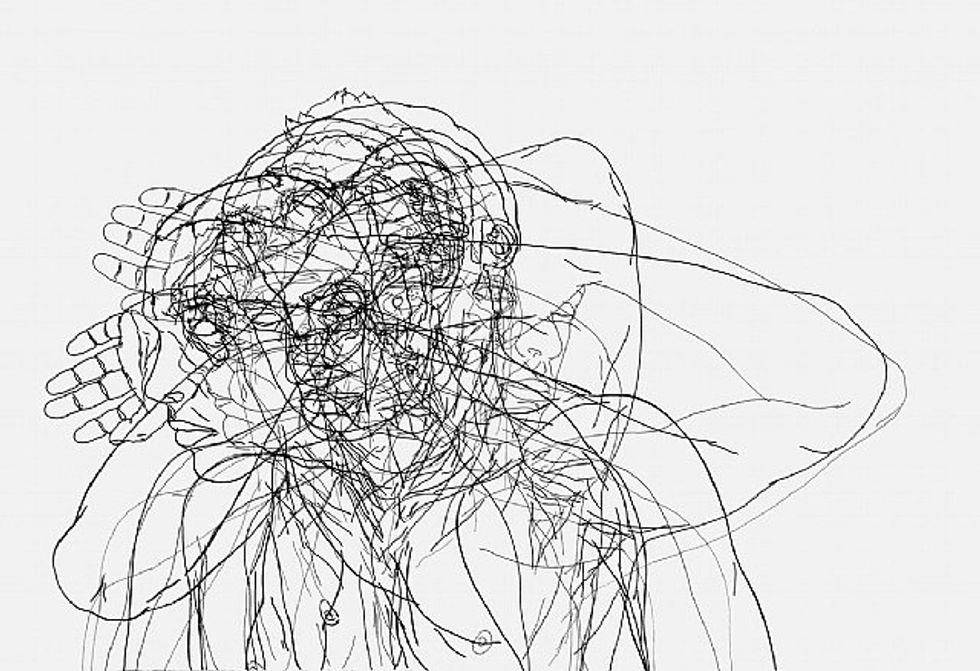
Mental illness makes you question everyone and everything around you. My anxiety keeps me shaken to the core and constantly replays every bad thing happening in the world, tragedy after tragedy, and convinces my brain that it’s all going to happen to me next.
Depression is a parasite that has successfully assured you that you wouldn’t be the same person without it. You begin to believe that perhaps you’re better this way, keeping yourself distant so that when it’s your time, you hurt less and less people.
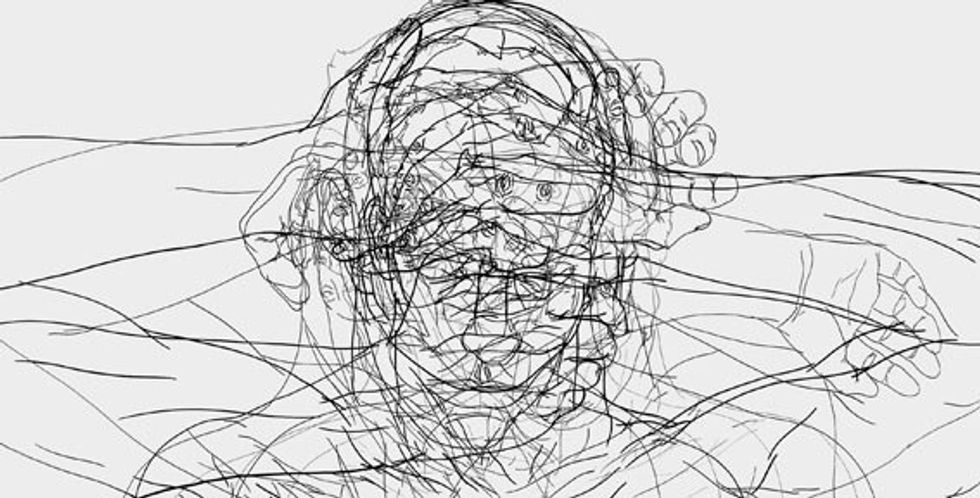
No one tells you that living with mental illness means coming to terms with the fact that you will either sleep more than you ever thought to be humanly possible, or you’ll be up until 8 a.m. counting fibers floating through the air.
Living with mental illness means that my days seem like they’re dragging on slower than molasses, but in reality, five hours just went by while I was sitting at my desk looking for a pen, leaving me in tears on the floor when I couldn’t find it. It means that it’s currently 3:19 a.m., and I’ve been trying to make myself write since 8 p.m. last night, and I’m still struggling to pick up my fingers and drag them across my keyboard.
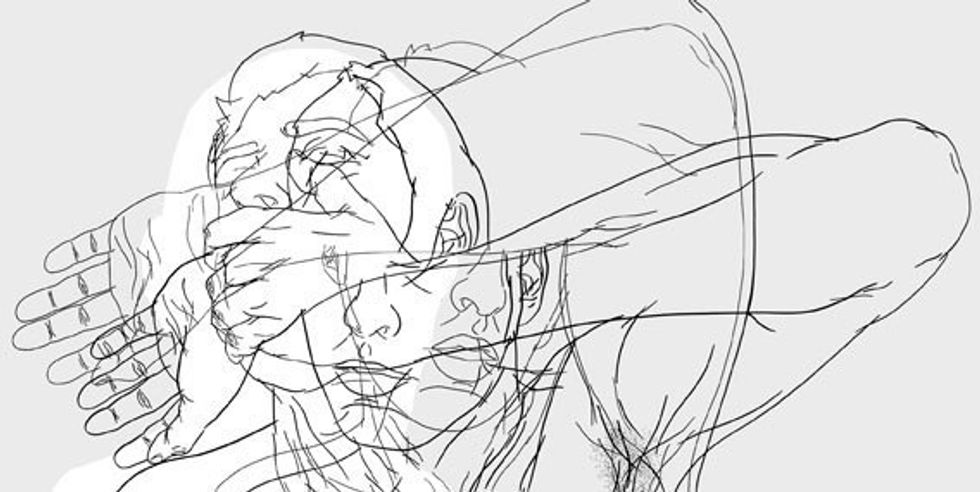
Living with my mental illness means crying all the time, and getting called “hormonal,” and “extra,” when I do. It means forgetting to eat, or overeating to the point of sickness. “Sensory overload,” is a term you will soon become all too familiar with because every time someone speaks you feel like screaming.
What they don’t tell you about living with mental illness is that sometimes, you don’t feel like you’re living at all. You feel like a placeholder, a temporary character, until the star decides to grace us with their presence again. Mental illness makes you feel alien in your mind, body and life.
No one wants to hear us talk about mental health. Our “abnormalities,” are brushed under the rug time after time, and I’m breaking the silence.
It’s time to face the truth about mental illness. It’s nothing to romanticize, and it’s nothing you should envy. My mental illness is not a cop out or a “get out of jail free” card. Most of the time, no one takes my mental state seriously anyway, so what advantage do you think we have?

If you’re reading this and you happen to be neurotypical, recognize the privilege you have. Life isn’t easy for anyone, but when the odds are already stacked against you, it’s even harder.
To everyone out there struggling to get back to a good spot--solidarity. I know how hard it is, and the fact that you’re trying is nothing to be ashamed of.
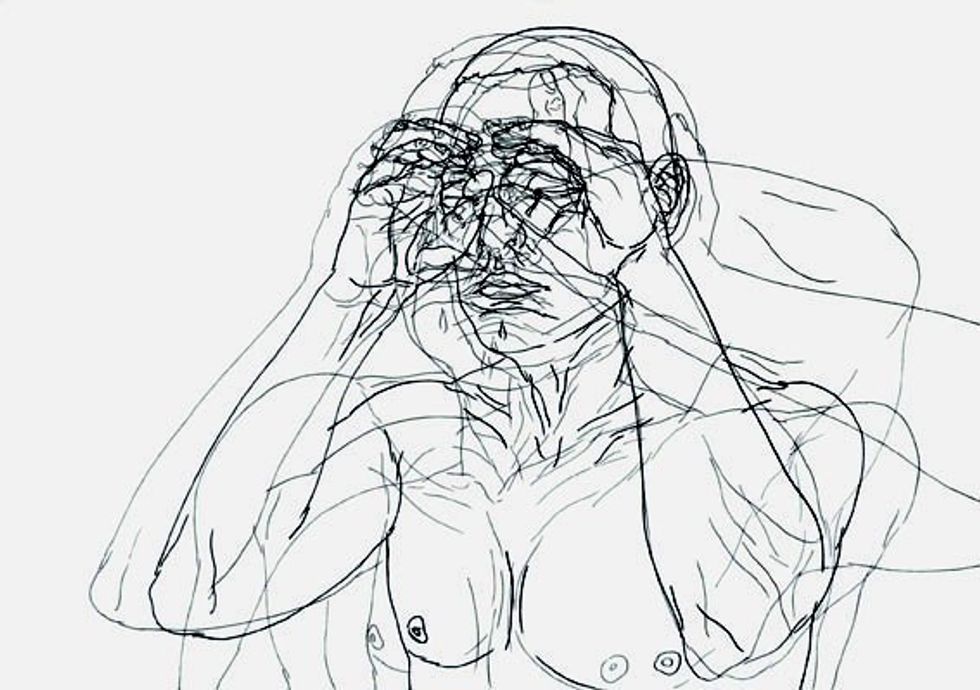
All of the art in this article is by my favorite artist, Moisés Mahiques, who you can learn more about here.