Welcome to CollegeMD!
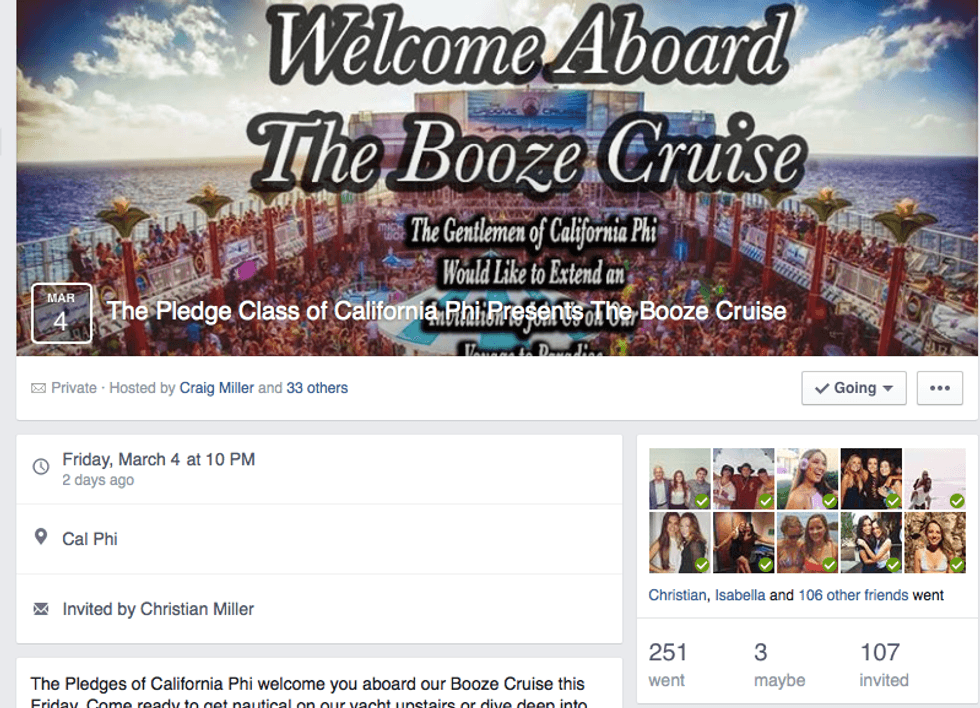
We’ve all been there (some of us more than we’d like to admit). It’s 9 PM on Wednesday night and you swore you weren’t going out. You are tired, stressed, and probably should be doing homework. Then Facebook reminds you that you have an event called “Frat Star 2016”, which starts at 10:30 and 290 of your closest friends are going. You begin to feel stressed and anxious. Next thing you know, you are six shots deep at a pregame and there is a 0% chance you are staying in.
What Is FOMO?
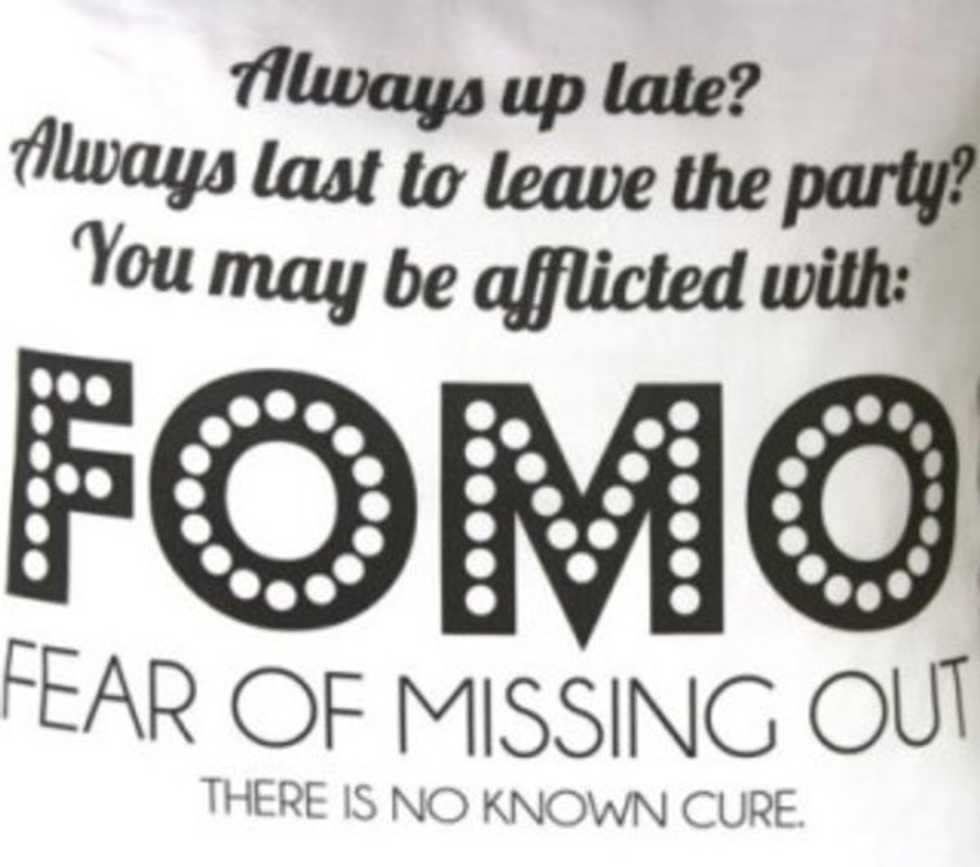
While in college, it is difficult to balance social and academic life for everyone; however, for those afflicted with FOMO, it is nearly impossible. FOMO stands for Fear Of Missing Out and is most common among underclassmen (ages 18-20). The FOMO phenomenon is any feelings of anxiety regarding missed opportunities to participate in exciting or interesting events, typically parties. 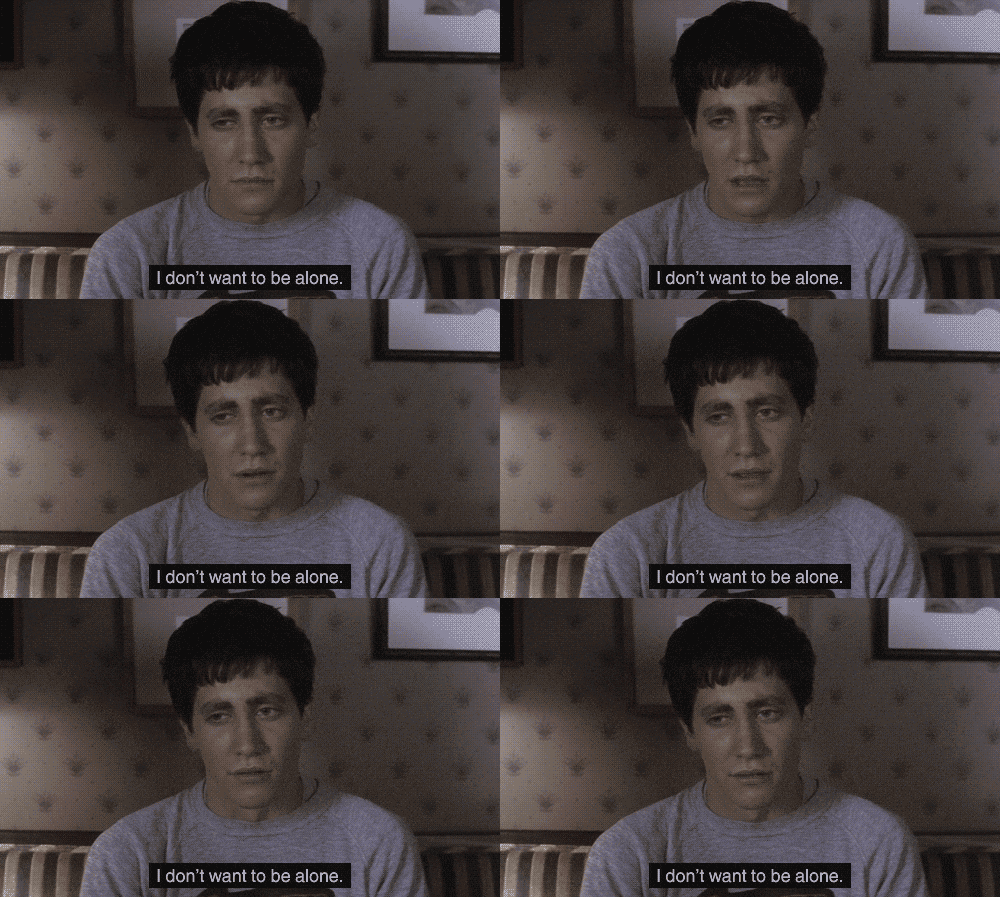
Causes
Researchers have not isolated one cause; however, several factors may contribute to the contraction of FOMO including: high levels of social media use, peer pressure, an existing anxiety condition, exciting friends, lack of school stress, youth, excessive freedom, and the possession and consumption of alcohol. Additionally, living with fun people can make this significantly more severe and common.

Symptoms
Symptoms include but are not limited to:
anxiety, turning up every night, frequent party hopping, obsessively checking Snapchat stories or other forms of social media, a deranged look in response to the words "staying in", accidentally drinking and/ or blacking out, and sleep deprivation. Although FOMO is not life-threatening, it can have serious impacts on a student's health, academic, or social life.

How To Treat FOMO:
There is currently no cure for FOMO; however, experts say there is a notable decrease in cases of FOMO as students enter junior year. A common saying among those afflicted with FOMO is “You can retake a class, but you can’t relive a party.” If you are anyone you know has these symptoms please contact a professional.
The first step to recovery is forcing yourself to live with the discomfort that comes along with “missing out.” It is most likely in your best interest to miss a party rather than have to retake a class, but who am I to judge. If that is not an option for you, find a friend that can help you remain grounded and make decisions that are healthy and productive for you (meaning unless you are really on top of your stuff you probably should skip the HUT before that 8 AM) If none of these are options, seek professional help or party on.... either way, go you!

Notable Cases:
In 2014, a freshman girl named Alyssa was self and peer diagnosed with FOMO. She reported severe sleep deprivation whether she went out or not. We can only assume the restless nights were a result of nightmares about missing a total rager. She abhorred the pesky 8 AM classes and “adult” responsibilities that dared ask her to stay in. Not even a boot could keep her off Bellomy. To this day, her FOMO persists, but she is alive and well and surrounds herself with fellow victims of FOMO.