
"There is not a man living who wishes more sincerely than I do, to see a plan adopted for the Abolition of Slavery"- George Washington
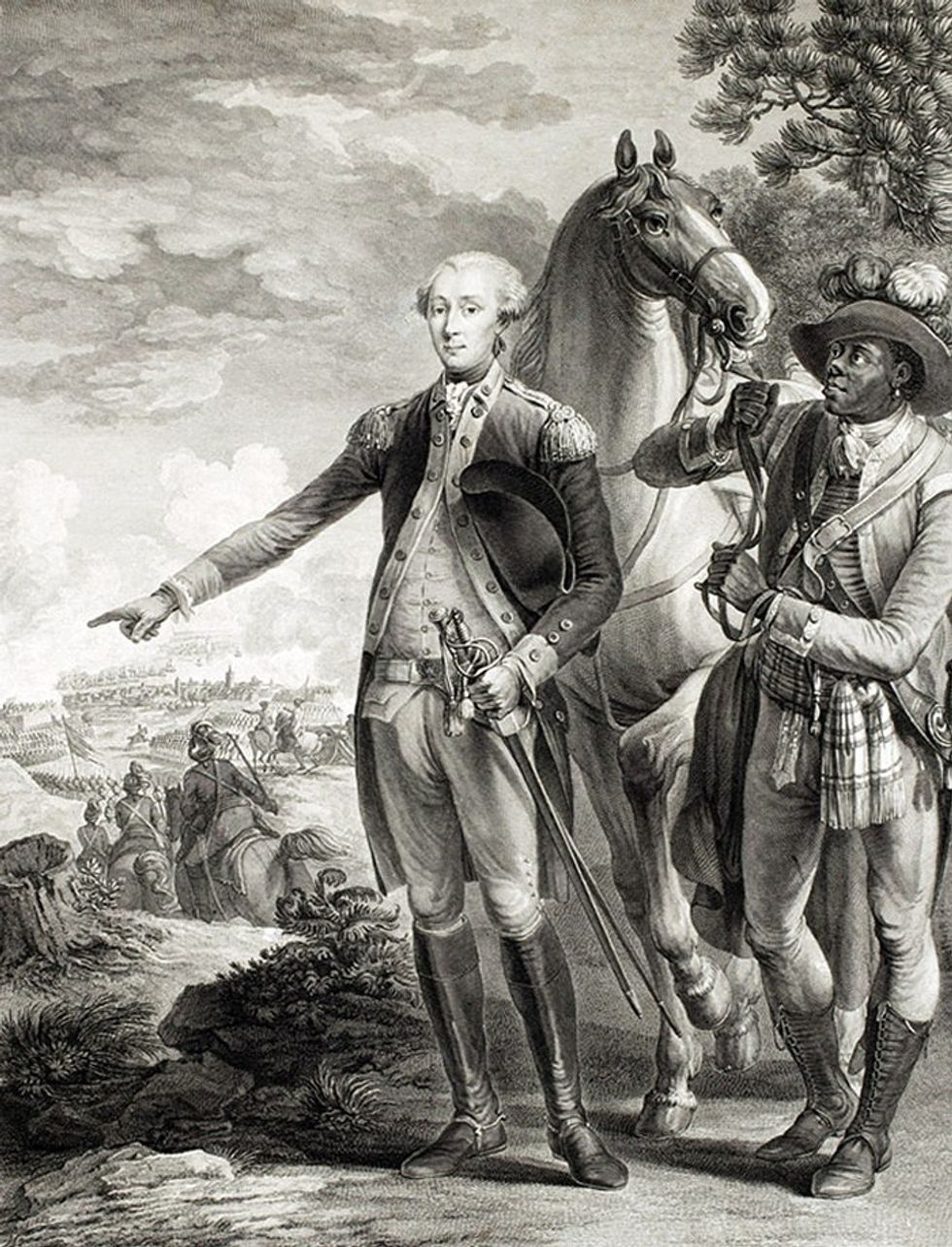
Recently, one of my Professors deemed the Founding Fathers as “white, racist, misogynist, property-owning pigs.” With that, I wrote a research paper disproving the allegations. However, I realized that many individuals follow under the same thought: that the Founding Fathers were hypocritical, racist, elitists. This has inspired a set of more-serious articles dedicated to each major Father. Enjoy!
George Washington: Philis Wheatle
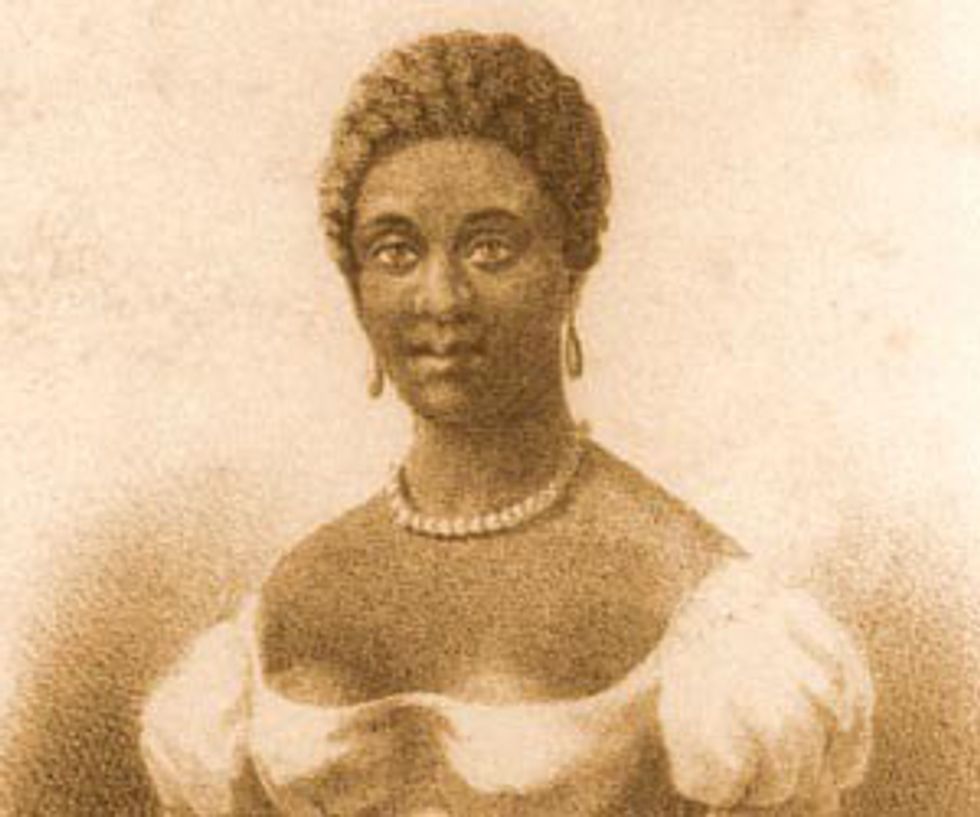
Philis Wheatley, a uniquely literate slave-woman and a published author by the age of 18, had dedicated an ode to Washington in honor of his promotion to Commander-in-Chief of the Continental Army. Washington had often read her poems aloud to his men to comfort their shaking bodies and minds in the winter of 1775 and was familiar with her prose:
“Proceed, great chief, with virtue on thy side, Thy ev’ry action let the Goddess guide. A crown, a mansion, and a throne that shine, with gold unfading, WASHINGTON! Be thine.”
In gratitude, Washington responded to Wheatley with an invitation to his headquarters in Cambridge and addressed the letter to “Miss Philis,” an extension of title far beyond a slave-woman to receive and absolutely unheard of in the 18th century. Wheatley received his invitation and met with him in March of 1776 at Cambridge; though only spending a short hour together, Wheatley and Washington were equally delighted. Wheatley was an uncommonly patriotic slave who had implemented this theme throughout much of her poetry. This was one of the first historical instances that displayed a progression of acceptance that surpassed ethnicity and promoted accelerated education.
George Washington: Primus Hall
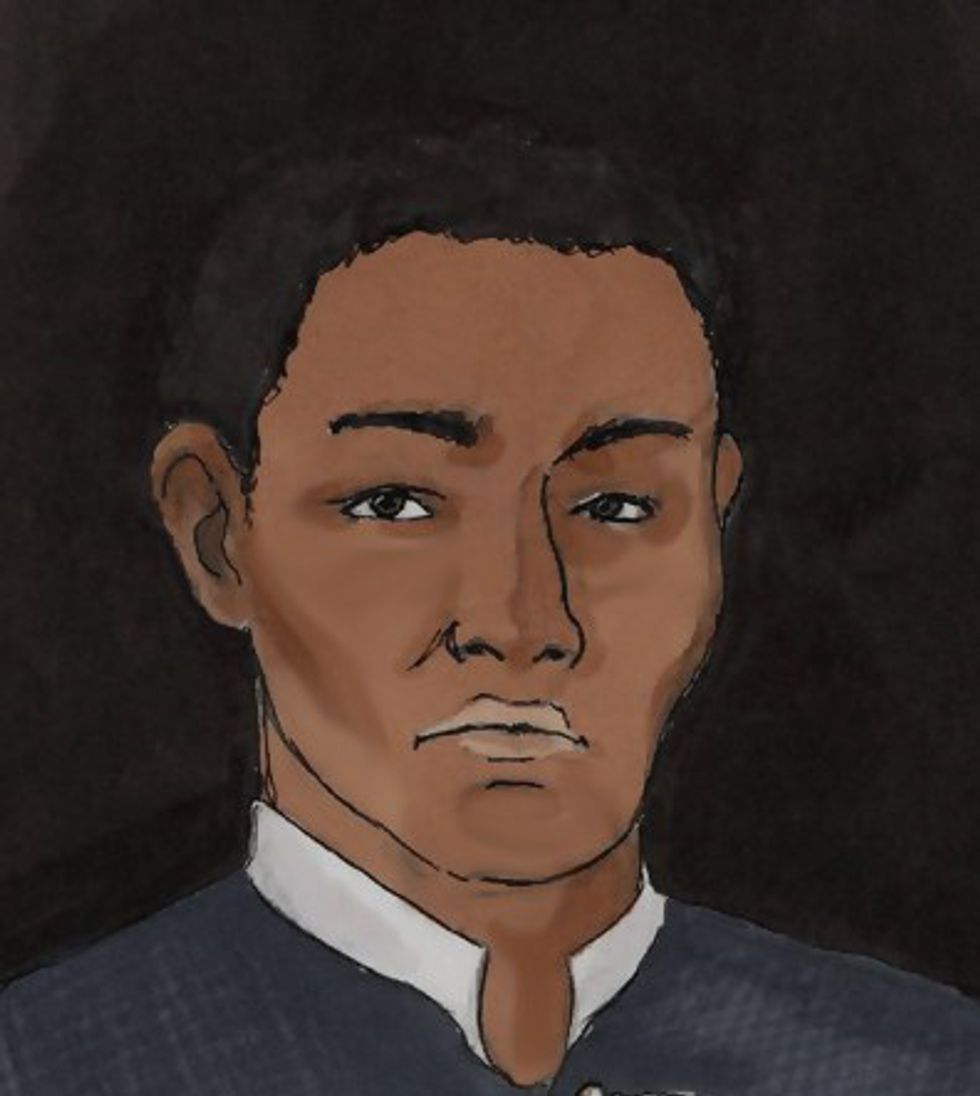
Throughout the American Revolutionary War, Primus Hall (an African American) served Colonel Pickering as a body servant. It was commonly known among the American army that Colonel Pickering was Washington’s most esteemed friend who provided him counsel and great conversation during the war; they often visited each other’s camps and would stay up late into the night.
Likewise, Washington came into contact with Hall as considerably as he did with Colonel Pickering. One night, Washington entered the Colonel’s tent in search of Pickering and having not found him, decided to exercise while waiting. This exercise involved Hall driving a stake into the ground, tying a rope to the top of the stake and allowing Washington to run and jump backwards and forwards. After that night, Washington took the opportunity, when time allowed, to have Hall help him with his exercise.
After the second occasion, Washington and Pickering engaged in a consultation about the war that had occupied the night. Since Washington’s headquarters were a significant distance away, Pickering invited him to stay the night and Hall had encouraged them both that they had plenty of straw and blankets for his stay. The Officers laid themselves down while Hall busied himself in the tent, and once Hall was satisfied with the slow-breathing of the Officers, he perched himself up on a stool, put his head in his hands and attempted to sleep.
In the middle of the night, Washington awoke, noted Hall on the stool and whispered his name twice with considerable demand. Hall awoke and Washington noted to both Hall and himself that Hall had given the General his own blanket and straw so that he could sleep comfortably, while he would sit through the night. In gratitude, Washington invited Hall to share the cot with him and when he rebutted, he shifted to one side of the cot and resolutely insisted to Hall. And so, the Commander-In-Chief of the American Revolution and a colored servant slept side-by-side, sharing the same blanket and the same straw until the morning.
George Washington: Slaves
While Washington has had reports of beating his slaves, the account also needed to be taken is that he whipped and even executed some of his soldiers. There are no accounts of Washington executing any of his slaves and he, in fact, paid them a fair rate for each task that they completed. This does not undermine the evil of slavery: yet, the way Washington treated his slaves does attribute to his character. He was neither racist nor unkind. He was simply an evolving product of his time. In a letter to Robert Morris on Apr. 12, 1786, Washington noted that America needed to pass legislation that would end slavery and that “There is not a man living who wishes more sincerely than I do, to see a plan adopted for the Abolition of Slavery.”
During the winter of 1781, after two earlier mutinies instigated by Sergeant Gimlore and Private John Tuttle, a group of Federal Hill troops attempted to revolt; the winter and war had left the troops starving, frigid and discouraged. Washington, worried that these insurrections could cause America to lose the war to the British, decided that the series of mutinies could not go unpunished (he had already extended forgiveness twice before). Washington had the two leaders arrested and executed by a firing squad of twelve troops and had no further mutinies during the war. Washington, being commonly reported as a humble man, was also a strict military man. He promoted honor, hard-work and patriotism — and for any man, troop or slave to disrespect the cause that so many had already sacrificed for was to directly attack emerging-America herself.