
A red-light district is an area of a town or city containing many brothels, strip clubs, and other sex businesses. The most notable difference between an area that is a red-light district and an area that is not is the legality of prostitution. Red-light districts are all over the world, the most famous location probably being Amsterdam. However, there are also 8 counties in the state of Nevada where prostitution and solicitation are legal in licensed brothels. In fact, Nevada is the only state in the United States with such a law. This has become a source of obvious controversy. Some are for and some are against.
Those who are for the legalization of prostitution and solicitation believe that if it is legal, then it can be regulated. Meaning prostitutes would be able to be paid on the table and given health insurance through an employer. It would also normalize this portion of sex workers getting tested for sexually transmitted infections regularly and more often. It could also help the conviction of sexual assault perpetrators, as those affected will not be afraid to come forward, which is a large problem as prostitutes rarely come forward after sexual assault for fear of being arrested.
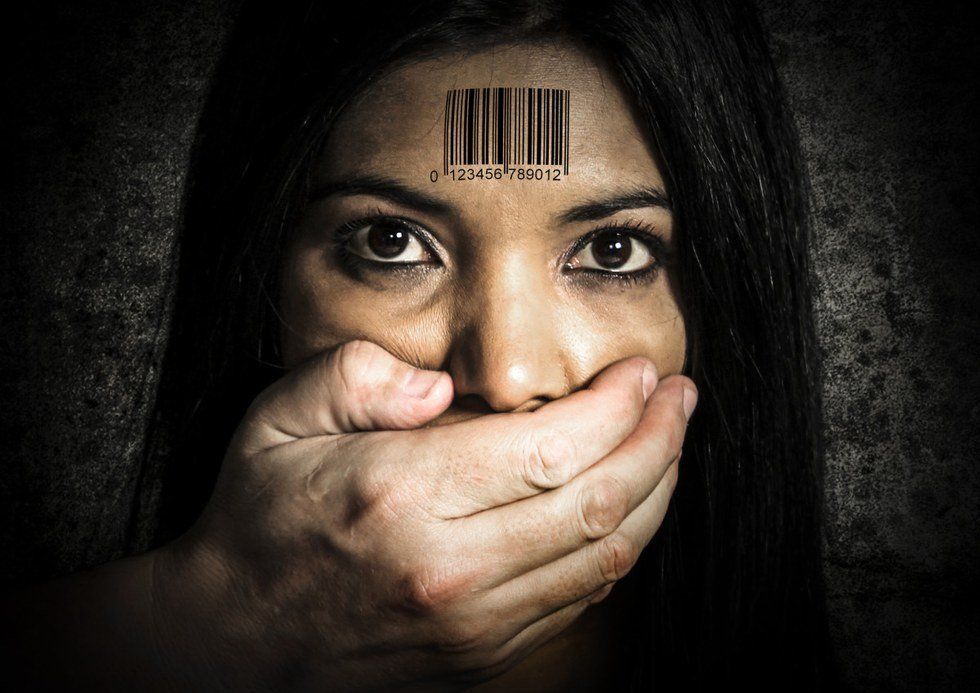
However, officers who work to catch and prosecute 'pimps' have a different point of view. These are people who deal with human sex trafficking every day, and they believe that if prostitution is legal then it opens the door for these traffickers to prey on vulnerable individuals, and unfortunately prostitution is not a career one can easily quit. The fear becomes even larger when you relize that (as of July 2016) there have been 27,775 cases of human sex trafficking since december of 2007, and 130,485 signals in the same time frame -- 16.731 of which happened in 2016 alone. That's only in the United States. Traffickers often use force, fraud, or coercion to maintain controlover their victims.
The intentions of legalizing prostitution are wholesome, I mean what's better than solving a public health problem? However, the costs far outweigh the benefits. Unfortunately, there is no evidence that red-light districts lower the numbers of human sex trafficking.