

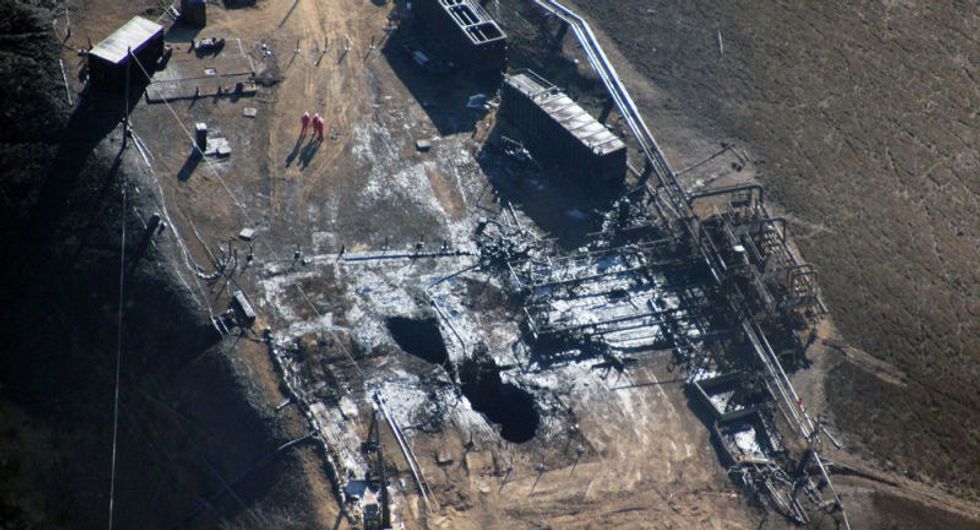
The worst methane leak in U.S. history took place in Los Angeles, CA over the past few months. The leak from Southern California Gas Company’s SS25 well at its Aliso Canyon storage facility excreted a monumental “97,100 metric tons of heat-trapping methane over 112 days," an equivalent to the annual gas emissions from around 600,000 cars.
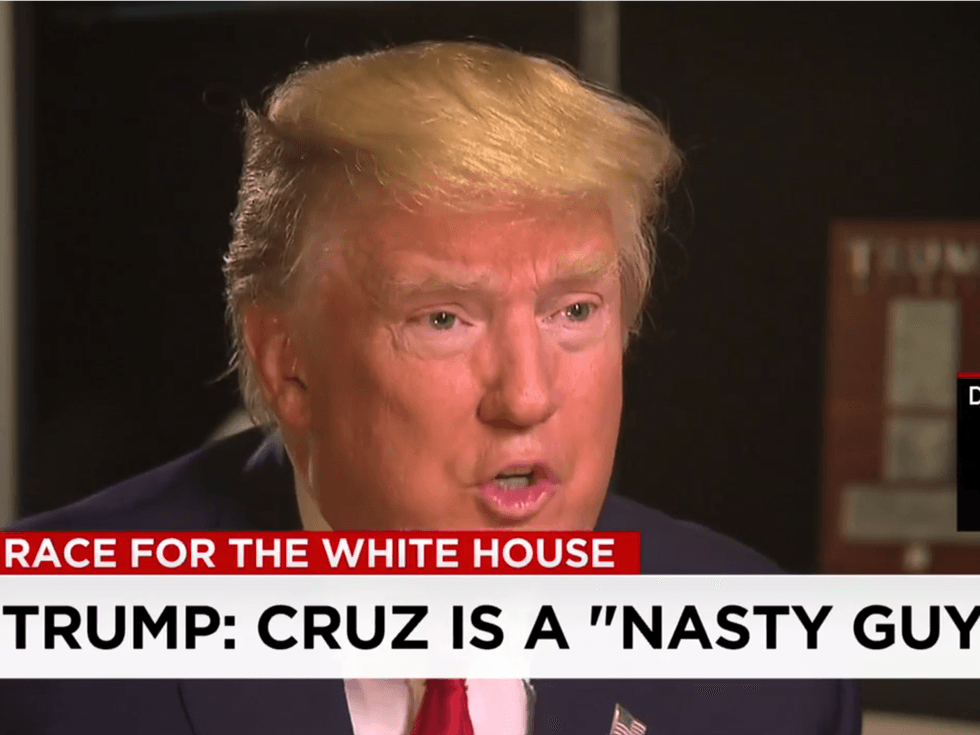
This event being one of the greatest environmental disasters this country has ever experienced, why is news about Donald Trump calling Ted Cruz a “nasty guy” prioritized over a catastrophe bound to have severe health and environmental consequences? Specifically during election years, media zones into a select few stories, directing viewers’ attention to a narrow spectrum of current events. As Michael Parenti describes it in "Inventing Reality: The Politics of the Mass Media," “when determining what to treat as news, media organizations often take their cues from one another, moving in a kind of rough unison, a phenomenon that has been called ‘pack journalism.’” Environmental, international, and localized issues receive minimal recognition during these times. These factors aside, matters like the methane leak in L.A. need attention, because they directly impact the public’s daily life and beyond in various ways.
On a further concentrated note, another theory concerning this redundant, controlled type of journalism used consistently in mainstream media is labeled a “horse race;” when journalists “choose to fixate on which candidate is a superior campaigner or savvier strategist, not on who has sounder ideas or is better prepared to govern.” Selecting to report on the most commercial, “fluff” aspects of, in this case, a presidential campaign, caters to what an organization’s audience will find most appealing for increased viewership, subscriptions, etc. This is a completely valid reason for media to hierarchize these types of characteristics in candidates.
Although this is a legitimate argument, one criticism is that the decision to report candidates with more appealing ideas and an assorted repertoire of experience is inherently an objective one. From a realist stance, all journalism is fundamentally biased, and only a select amount of stories can be advertised at once, particularly via a mainstream news platform like CNN, for example. This is not to excuse mainstream media for providing such a limited range of stories with few viewpoints. There is legitimacy in saying larger news corporations have more of a responsibility than smaller platforms to offer a diverse array of perspectives and issues for their consumers.
These theories cannot be examined or suggested without recognizing the bias throughout this article or any other form of media out there. However, making note of the vast amount of events taking place outside of Washington or even the nation as a whole is necessary to expand personal awareness of the complexities of the world and avoid the perpetuation of a westernized, ethnocentric mindset. This is particularly important during the days surrounding Super Tuesday, with the 2016 election becoming increasingly heated. The election is important and, for many, fascinating to watch unfold. Let’s just be sure to not let the rest of the world fizzle out of our line of sight in the meantime.