
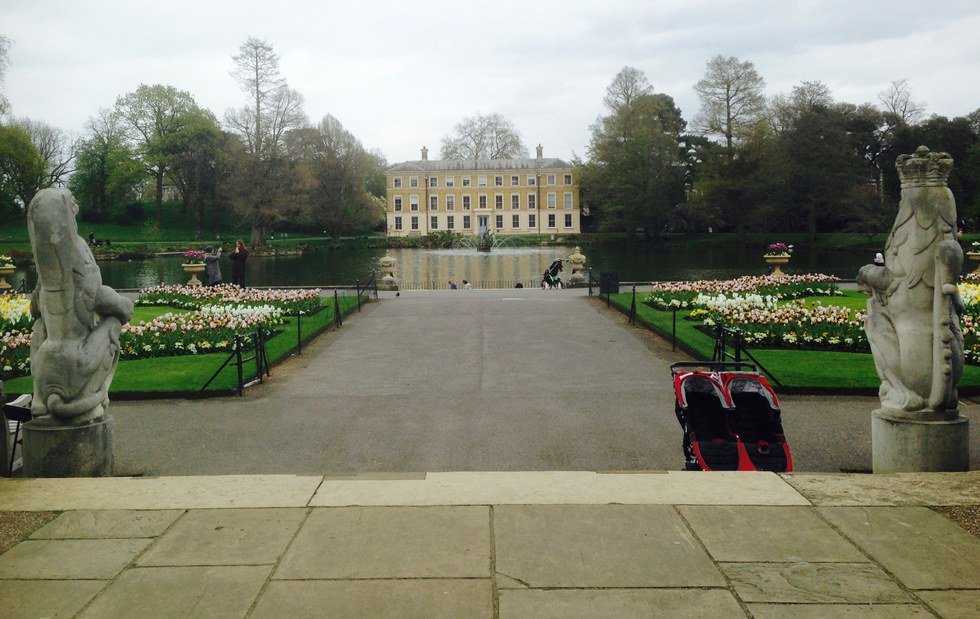
Finding little bits of nature within the chaotic order of London's skyscrapers and interweaving streets is no easy task. Numerous days can pass before you see a scattered patch of green grass that doesn't belong to a private garden in Greater London, but nature's rarity alludes to the Londoners' passion for wide open spaces filled with luscious greens and flowers of every variety. As a result of this, there are plenty of parks in London that are worth visiting when you feel like you need to escape the bleary gray that accents London living on the daily. One of these parks is the famous Kew Gardens in the London Borough of Richmond upon Thames.
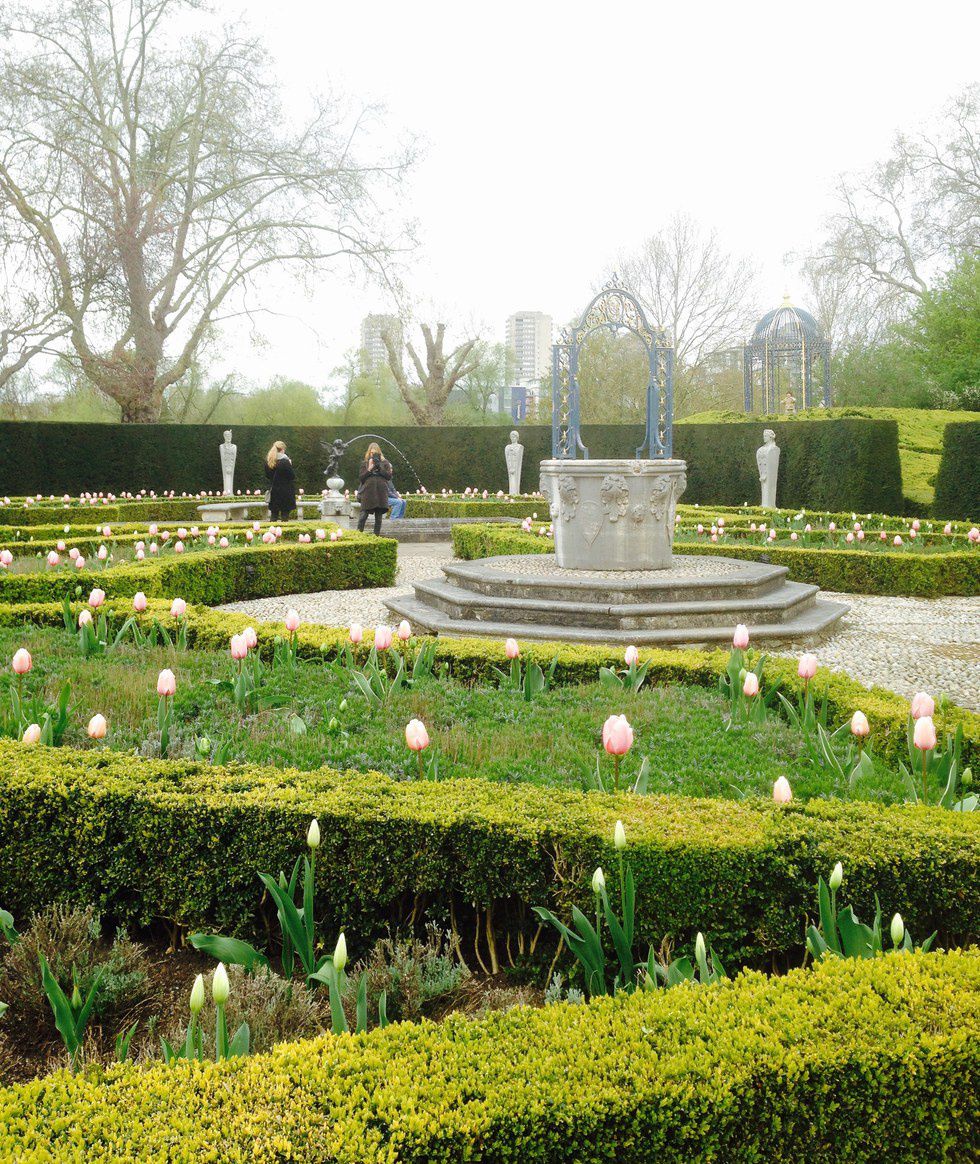
(P.C. Kenia Munguia)
For centuries royal families belonging to monarchs like Edward I in 1299 and Henry VIII in 1501 built gorgeous estates on these lands, because of its attractive wide and open spaces that provided a much-needed relief from city living. As Londoners got better at controlling air pollution and monarchs moved to more central locations, Kew Gardens became a popular location for gardens after the 18th century. It wasn't long before Kew became an official botanical garden in the 19th century and gardens, arboretums, and more acres were added onto the original territory. Fast forward to today and Kew Gardens is the largest collection of living plants in the entire world.
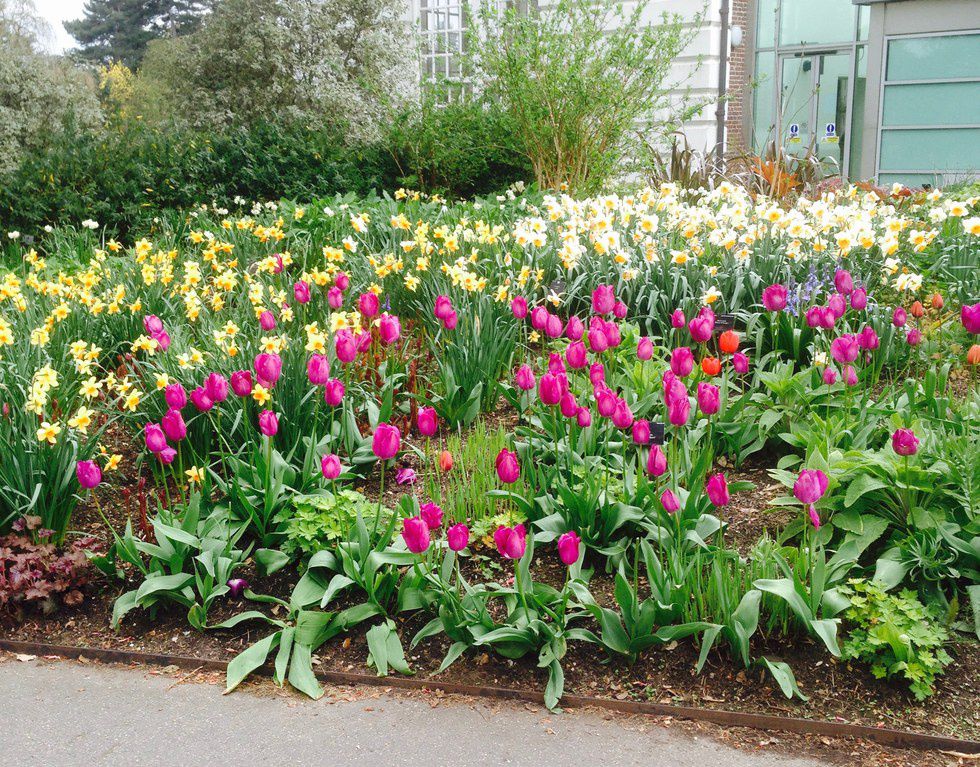
(P.C. Kenia Munguia)
Although I have never been one to marvel at the sight of flower arrangements or gardens, it is hard to remain unimpressed by the wealth of flower species Kew Gardens boasts on its 300 acres of land. Criss-crossed by multiple paths that would take days to discover in their entirety, Kew Gardens offers visitors scenic pathways they could never enjoy inside London's immediate perimeter. You can practically feel the tension in busy city dwellers' shoulders ease as they take a stroll in the gardens, Kew Palace, or the Princess of Wales Conservatory. If you're not one for walking among exotic plants collected from the Americas or Africa, then you could enjoy a more adventurous approach to sightseeing by walking on the Treetop Walkway. From a considerable height on the walkway, you can see most of the botanical gardens and the way walkway lazily sways with the wind, nature permitting, of course.
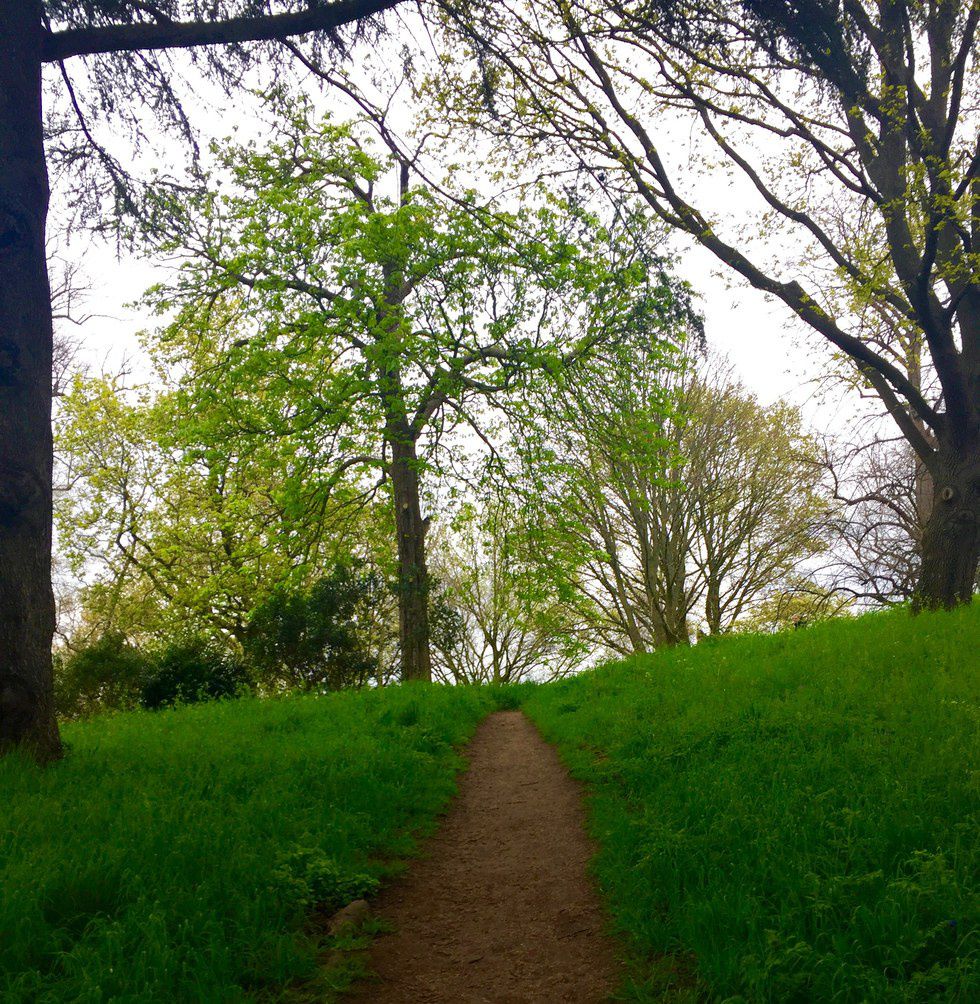
(P.C. Olivia Bruno)
If neither gardens nor high views are your cup of tea, then you'll love exploring the inside of Kew Palace. Kew Palace was once the home of King George III's family, which included his wife and 15 children, 13 of whom lived to adulthood. At its prime, Kew Palace was filled to the brim with liveliness. King George III's wife, Queen Charlotte, is largely responsible for the initial expansions to Kew Garden, because she had an interest in botany. Evidence of this jovial atmosphere can be seen in the carefully preserved house in Kew Gardens, which is free upon purchasing your entrance into the entire park. Here, you can see household objects used by the royal family like diary excerpts, letter openers, beds, and even traces of the original wallpaper that decorated their walls in the 19th century.
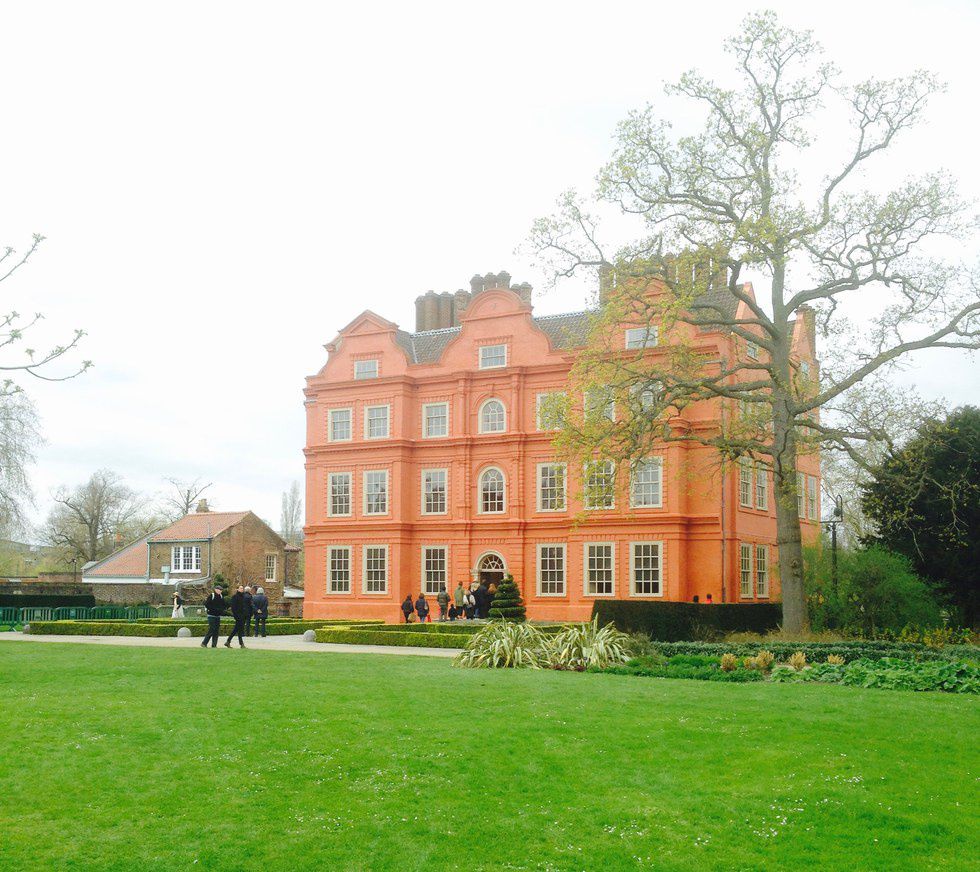
Despite the overcast skies over Kew Gardens during my visit, there is no denying that Kew Gardens is a treasured green oasis for Londoners and tourists alike. I would even argue that the gray atmosphere makes all of the different colors of the fields and flowers that much more vibrant and enjoyable after being surrounded by the monotony of city life.