


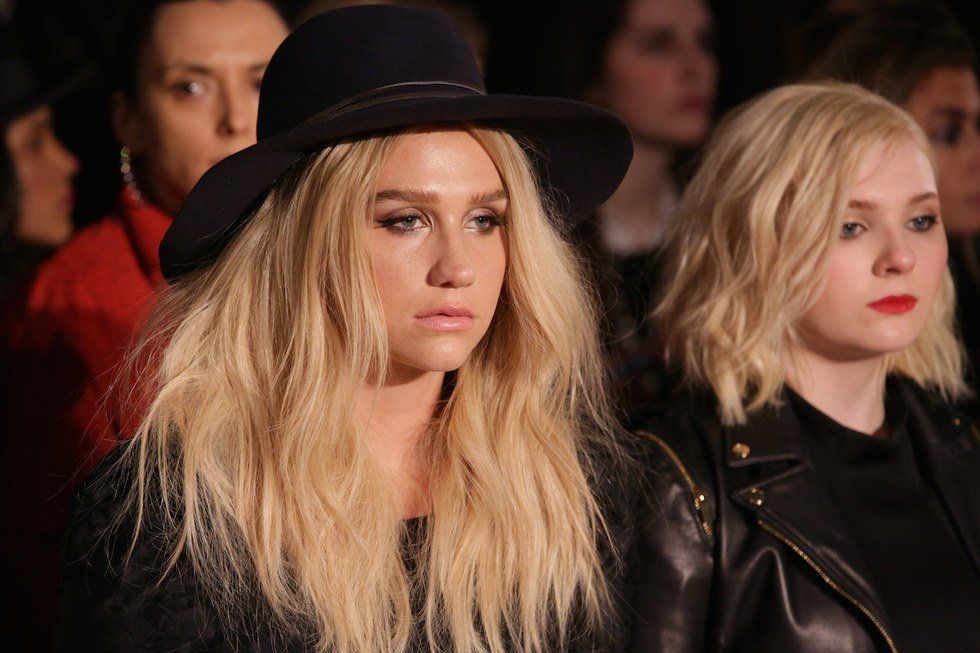
After hearing about Kesha and her contract with Sony, I began to think of how old she was when this all began. Kesha was said to have only been 18 when the assault began, the age of most college freshman as they begin school. This led me to think about sexual assault and rape among college campuses, specifically on my own college campus. It is spoken about and we are taught what to do and what not to do in situations involving sexual assault, but sometimes I think we forget it does, in fact, happen on our campus and all campuses nationwide. 1 in 4 college women will be the victim of sexual assault in her college career. Of those women approximately 11% will report it to the police (Kilpatrick, et al., 2007), and 7% of college women who experience drug, alcohol, or incapacitated rape will report it to the police. (Kilpatrick, et al., 2007). This is not to say men are not victims of sexual assault as well. 3 percent of college men report surviving rape or attempted rape as a child or an adult. Seeing as sexual assault is more prevalent with women in college, that is who is mainly focused on.
The saddest part, in both the Kesha case, and real life, is that people are always told to come forward about sexual assault cases, but when they do, they are ostracized and excuses are made for why it happened. They say she waited too long to speak out, so it must not be true, or it was due to what the victim wore, or how much they had to drink, or due to the fact that they invited the perpetrator over. All these excuses are believed over the truth of a story.
What is considered sexual assault or rape? At my school, a video about Consent Tea is watched in every situation speaking about these two issues. It is usually bashed and made fun of for the strange analogy, but if you just watch the video and pay attention, it truly does simplify what is considered rape or sexual assault.
What does all this mean?
The subject of rape should be taken more seriously on college campuses, especially small schools because it happens. Even here. And if a rape or sexual assault does happen, here are some things we can do about it:
Pay attention. if something looks or seems off about a situation, or you know a friend is too drunk to not make a regrettable decision, step up. Most everyone says they would do it, but given the situation, not everyone realizes that is actually what they should do.
Take it seriously. If someone claims to have been raped or assaulted, believe them until you have a reason not to. Some women and men play the rape card for pity, but not many do, and this is a subject that should be taken extremely seriously.
Stand by a victim. Do not ostracize those who have been a victim of either of these crimes. They need friends at this time more than ever, and leaving them high and dry is not at all a solution to the problem.
Listen. In all situations and cases, listen.
In situations like Kesha's, innocent people are traumatized daily in remembrance of the awful things that happened to them. Whether or not Kesha is telling the truth is irrelevant because this issue stems far beyond just her case. This is about all the cases where we are taught to speak out if we know of or experienced these crimes and are simply silenced due to the fact that the perpetrating party has more power in the situation.
So listen, act out, and speak. I know it is said time and time again, but only we can stop the acts of rape and sexual assault on our campuses, so let's get to it.

















