
I wore a new outfit on Sunday morning. Peach blouse, sleeveless, bought with my aunt the week before. Olive green skirt, salvaged from the same aunt's closet. Ivory scarf with red flowers, a gift from my sister on my birthday. And my pride and joy: orange wedges with a mile of ribbon to tie around the ankles, bought on vacation last March.
I sailed into church in my finery. I listened to my pastor's sermon contentedly enough, wondering what I would eat at brunch with a friend afterwards when I heard him say something about the LGBT+ community. He was talking about tolerance—more than tolerance. He was talking about love.
My pastor's a great guy. My church is lucky—I guess I should say blessed—to have him. I've never heard a harsh word from him, but when he sees something that isn't right, he says so. Last year, he spoke out against Indiana's Religious Freedom Act, which had a loophole letting businesses refuse service to LGBT+ people, so I wasn't surprised to hear pro-LGBT+ sentiments from him. I suppose I was surprised to hear it on this particular day, but I forgot about it once I went to eat with my friend, whom I hadn't seen since Christmas. We ate, exchanged college stories, laughed, and finally, reluctantly, said goodbye. When I got home at around one, I thought I'd check Facebook.
And my screen was blown up with rainbow colors and news of a shooting.
I understood why my pastor had said what he did that morning. America needs tolerance—and love—more than ever.
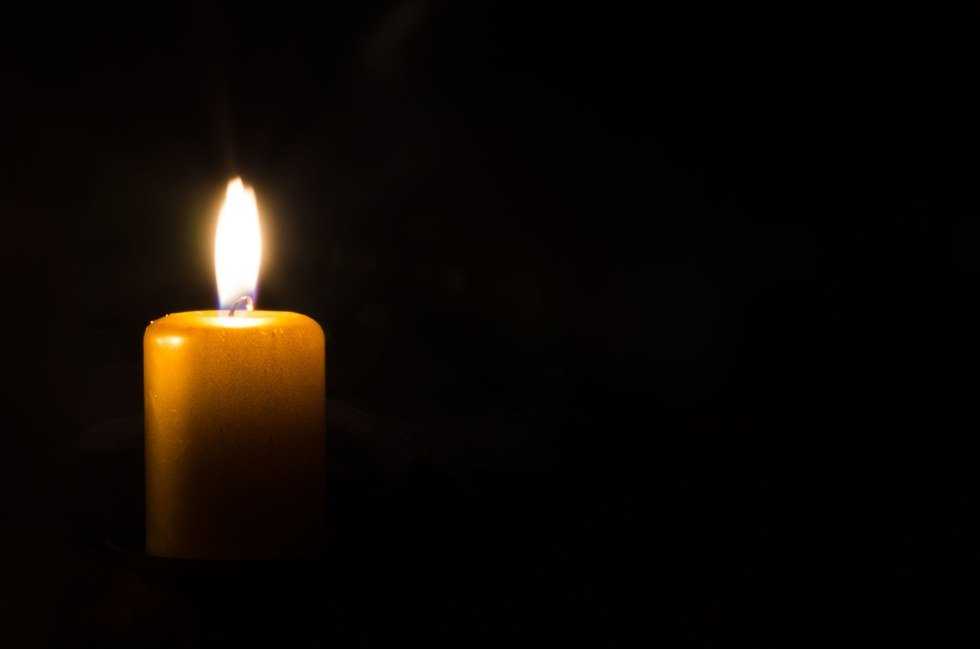
This Tuesday night, my pastor and a few other people in town held a candlelight vigil at my church. Its only advertisement was a post on Facebook, not two days before. I live in a small town and I attend a small church, but I'll tell you this: not even on Christmas Eve have I seen that church that full.
One of the speakers at the event said how humbled she was to see the turnout. From my seat high up in the balcony (because when I arrived, 10 minutes before it started, those were the only seats left), I agreed with her.
Another speaker said what I'm sure many people were thinking: "Why have prayer tonight? What action can this be?"
He was speaking, I think, of the people who tell us to save our prayers and do something to help the victims instead.
His answer? "We are here to say, 'Enough.'"
Should we be just praying and not acting? Absolutely not. Give blood. Flood your senators' offices with letters. Donate money. But the most important change has to come in us, in our society. We have to come together and make our communities—national, local, familial—less about hate and more about love. And prayer is one very effective way to do that. As my pastor said later that night, we are all made in God's image, and the worst thing churches can do is treat a human being like they're a mistake.
If you're not religious, that's okay. There are still ways you can help. Start today. Practice tolerance towards people of all faiths, nationalities, sexual orientations. Encourage your friends to do the same. Keep your enemies from not doing it.
Light candles.
I stood surrounded by love on Tuesday night, left hand cramping from holding open a hymnal (we sang "Let There Be Peace on Earth"), right hand clutching a lit candle. I was reminded again of Christmas Eve candlelight service. I play a game every year: be the last one in the church to let her candle go out. Sometimes I win. Usually, I don't (my parents, for some reason, want to go home and sleep).
That's the game we should all be playing. We should police each other, make sure no one's love fades. If we all play, we all lose.
And we all win.