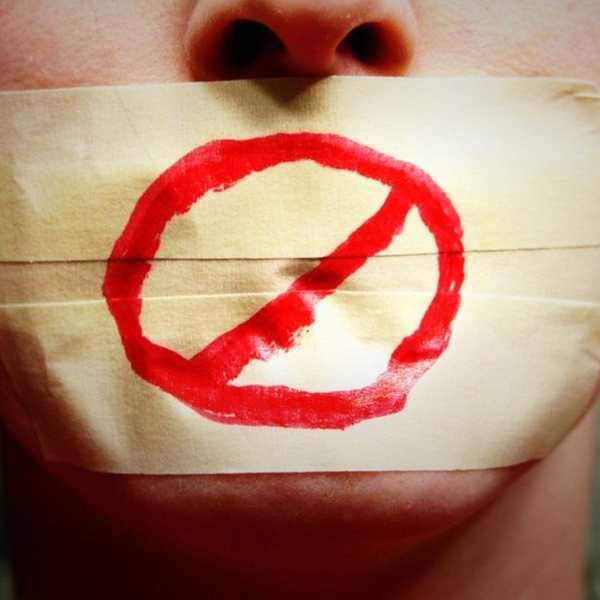


We define ourselves in many ways, sometimes explicitly through labels we give ourselves, and sometimes, more subtly, by the very nature of the choices we make and how we present ourselves.
Consider clothing, for example. Sometimes people dress culturally, they admire a particular band or sometimes they dress politically, perhaps choosing to buy exclusively "made in America" products, or economically, for function and purpose exclusively. However you choose to dress, your choices do communicate information, regardless of if you want it to or not.
And as extensively as we communicate information through the actions we do intentionally, we also communicate through the actions we don't- that text you didn’t reply to, or the lunch plans with that one friend that never seem to materialize.
Even before we can speak, we instinctually understand how to communicate our wants and needs. We cry as children when we are thirsty or hungry, and as we develop physically and mentally, we develop more sophisticated methods of communication, although mostly still communicating when we are thirsty.
We are a social species. In almost everything we do, communication is key; however, it is one thing to communicate an idea, it is another altogether to do it effectively -- it's one thing to "hit on" someone, it's another to create a situation for reciprocal attraction.
Every medium of communication is inherently limited in terms of depth and vibrancy. We are complex creatures with complex emotions and reactions. If we are defined by our days, then I alone bring with myself over 7,400 days of memories, experiences, heartbreaks and, triumphs. To consolidate the feeling of love into a poem or to describe the first day of summer in a lyric is an incredibly difficult task- it’s like trying to fit a three-dimensional object in a two-dimensional plane without losing meaning.
We must be careful then with how we communicate, we must choose our words, our tone, our phrasing carefully, because as Mark Twain said best, “The difference between the right word and the almost right word is the difference between lightning and a lightning bug.”
This could not be more true in our modern society. Take a walk through Times Square and you can feel the physical presence of the information age, with huge lit screens that fill the sky, and deliver with them advertisements and pop culture.
We are always communicating, and always being communicated with, in nearly every moment, so as my mother loves to say, “It’s not what you say, but how you say it.” This works in multiple ways. We communicate through two different languages, formal and informal. Although our formal education system does not often recognize it as so, informal language is a valid form of communication depending on purpose. Pop culture and “slang” may not necessarily be proper in a professional sense, however, they do relay with themselves a great deal of information.
Language by its very nature changes over time as cultures change. Although I might never use a term such as “bae” in an essay, using it informally is a perfectly valid form of communication. If you had to limit every communication to “140 characters” like through Twitter, you’d soon grow accustomed to using the most efficient terminology. How do you communicate the most meaning in the least amount of words? Although slang terminology is considered informal, it does this the best. Perhaps not across multiple generations, but through allowing our language to be alive, to change and grow, we create new methods of communication and expressing ideas.