
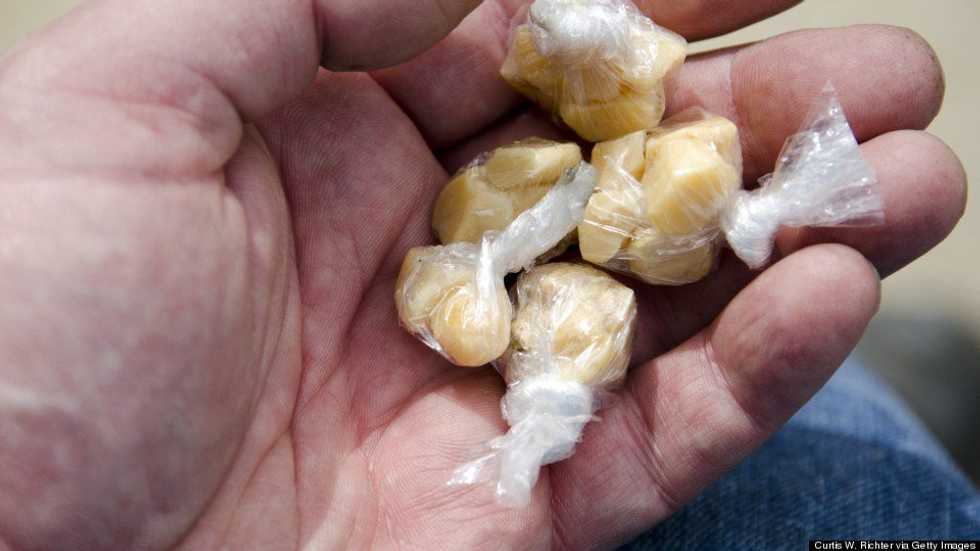
In recent years, there has a widespread outbreak of drug use all across the country. The heroin outcry has reached high school students, college students, young adults, middle aged adults and everyone in between. While several drugs have been used, the one drug that has seen a major spike in usage and attention, is heroin. Heroin is an opioid painkiller that is very strong as it is often administered by injection into the blood stream. Heroin, while increasingly popular across the country, has seen a major spike in several rural and suburban areas where there is a high Caucasian population.
In recent months, as the number of heroin overdoses has risen higher and higher, there has been a serious cry for help and media attention surrounding the issue. Several media outlets feature former and current heroin addicts and have them tell their story. Heroin has become a major media story and is covered in several different publications, television stations, and radio stations. A public sense of empathy has arisen for the issue itself and the people surrounding it including addicts, victims who have died from overdoses, and their family members.
To help address the crisis there has been a call to change the cultural view on heroin addicts and to view them as having a disease of addiction instead of as “criminals” or “lowlifes” as drug users typically are. Many want the issue to be seen differently so that society will be more likely and willing to help addicts. If someone is sick with a disease people view them with a sense of pity and want to rush to their aid, however if someone is a drug addict, they are typically viewed poorly and do not receive that public outcry. Changing the cultural view of drug addicts is bold and a huge chance for society that would be beneficial, but are there some underground racial overtones in its timing?
Heroin has recently had a major increase in users but is not a new drug as several African American and Hispanics have used heroin in generations past and it has been a major issue in their communities. Even more than heroin, crack, a freebase form of cocaine that can be smoked, was huge in many urban communities that were dominated by African Americans and Hispanics, and sparked a huge epidemic in the country during the 1980’s and 1990’s. Many judges and police officers charged crack cocaine charges much harsher than their more suburban counterparts involved with cocaine itself. As big as this epidemic was, and it was huge, people would leave children unattended for a high, mothers would sell children for a high, women would prostitute themselves for a high, several drug released murders occurred, several young people died from overdoses and some city streets were filled with addicts begging for any amount of money. It was bad. But as bad as it was, these addicts were seen as criminals, they were seen as bums and lowlifes. No one thought they had a disease.
The crack epidemic was some time ago and times have changed since then, but cultural attitudes have not. Crack and heroin are both powerful, lethal drugs that have destroyed communities. While they have both destroyed communities and led to the death of several, they are viewed differently. When crack was a national phenomenon the media coverage it received was not “how can we help poor addicts and solve the issue” it was instead “they are lowlife bums who we should send to jail for a long time.” This difference in reaction shows a lot about society, whether we want to admit it or not. When African American communities have a problem it should be treated with jail time and its victims are viewed negatively, often as criminals. However, when Caucasians have an issue it is viewed as a mental illness or an issue that should be solved with treatment. The crack epidemic was bad and the solutions used at the time were not effective, and it is easy to say that society has evolved and is changing its views for its new heroin epidemic. It does not appear as if that is the case. Heroin, the drug that has an increasing Caucasian and suburban victim base, not Crack, which still affects several African American and Hispanic communities, is the only drug that is viewed as a drug that contains an addiction disease.
Reforming cultural attitudes on drugs and drug addicts is a brilliant initiative that has the potential to truly fight the drug war in this country if enacted correctly. Heroin is a major issue that has many victims and is something that should be fixed, but heroin victims are no more important than crack or any other drug victim. If society wants to truly change the attitudes, it first has to address its hushed racial undertones. What undertones, you ask? The undertones that created negative views of crack addicts who were predominately black but an empathetic and understanding view of heroin addicts who are predominately white. Despite the vast progress that has occurred in race relations, certain instances such as this show that racial undertones are still very present in current society. If the goal is to truly address the drug issue and change cultural views toward drug addicts, first racial undertones and attitudes should also be changed.