On April 9th, 2016, the Attawapiskat First Nation in Northern Ontario declared a state of emergency after 11 people attempted suicide on Saturday alone. This followed 28 suicide attempts in March, and 101 suicide attempts in total since September.
Clearly, this string of suicides is highly abnormal, and the fact that the Attawapiskat Chief Bruce Shisheesh and his council declared a state of emergency solidifies this trend as an epidemic. But this is not the first time a state of emergency has been declared in recent years. Five years ago, Attawapiskat declared a state of emergency over a housing crisis. Still today, it is the norm for 20 Attawapiskat people to be living in a two-bedroom house. Such overcrowding has been cited as one of the contributing factors in the most recent "successful" Attawapiskat suicide attempt: that of 13-year-old Sheridan Hookimaw, who has become the face of the epidemic.
Although Sheridan's suicide has been the only successful suicide attempt in recent months (her body was found on October 19th, 2015), her story leading up to her suicide speaks volumes. She was a host to a plethora of health issues: asthma, diabetes, sleep apnea, thyroid problems, rheumatism, and obesity.
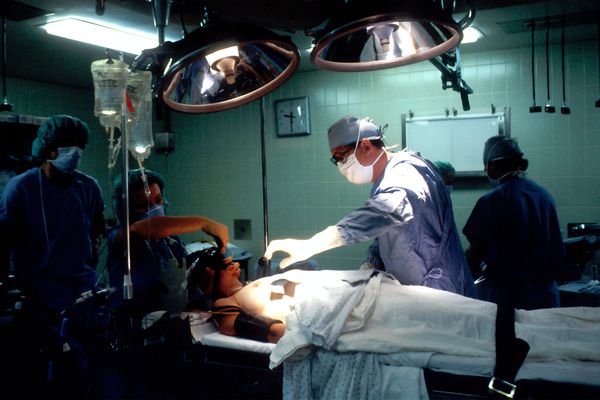
Sheridan is not an isolated case. Although she has been the only recent individual to successfully commit suicide, the startling number of attempts is a huge red flag that something is seriously wrong. The health care — mental and otherwise — which Attawapiskat people receive is far inferior to that which non-aboriginal Canadians receive, and this is particularly striking in a country which boasts of universal health care. Pregnant Attawapiskat women fear having to deliver their babies alone, because the federal government won't pay for a companion to travel with them to the hospital — which is hundreds of miles off-reserve.
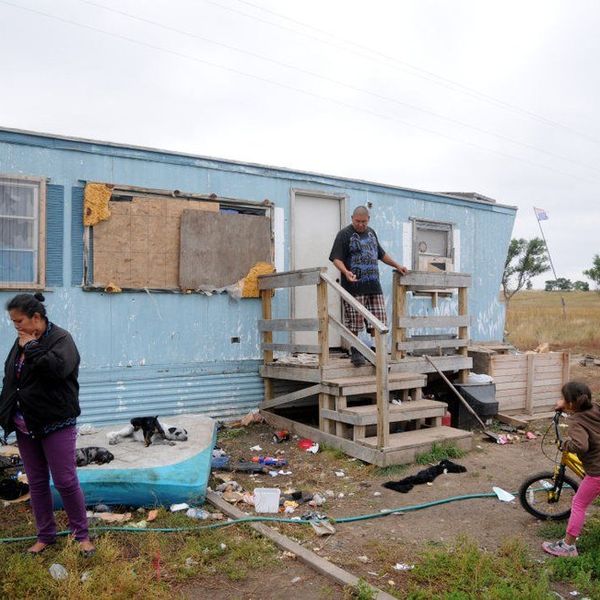
The issue facing the Attawapiskat First Nation seems simple at first: they are being pushed onto increasingly small plots of land, where they live in unlivable overcrowded conditions. They lack proper housing, proper healthcare, and access to clean drinking water. At first, this crisis seems like a classic case of ongoing colonialism, in which countries continue to encroach on native peoples' land, but the issue at hand is not that simple.
Yes, this issue starts with colonialism, which we often assume to be a thing of the past although it is not. But the issue continues with the way in which authorities are responding to the declared state of emergency. On Friday, April 10th, Canadian Prime Minister Justin Trudeau released a statement on Twitter saying, "The news from Attawapiskat is heartbreaking. We'll continue to work to improve living conditions for all indigenous peoples." Such statement begs the question, what will that work to improve living conditions entail, when Trudeau's recent budget included only $8.4 billion spread over five years to be allocated to "dealing with aboriginal issues"? Cindy Blackstock, executive director of the First Nations Child and Family Caring Society of Canada, estimates that governments spend 30 to 40 percent more on non-aboriginal children through a variety of programs. And what does "continue" mean, when this First Nation has been given appallingly subpar health care compared to the rest of the nation? When will Trudeau's words go from a political statement to political action?
Aside from the empty promises being thrown around by government officials, the way in which action is being implemented is ignorant of the lived experience of the Attawapiskat peoples. The federal and Ontario health ministers flew in a crisis team including mental health nurses and social workers. But what are the chances that these mental health nurses and social workers have been trained to help first nation peoples? Similar to how minority individuals on Brandeis' campus have pressed for better racial diversity in the Psychological Counseling Center, Attawapiskat needs professionals who are trained in understanding and sympathizing with their struggles as first nation peoples. What help would government-employed and government-appointed mental health and social work officials be, when the government itself refuses to acknowledge the Attawapiskat First Nation peoples as citizens by denying them the basic rights of citizenship such as proper healthcare in a land that they inhabited first?
Although Attawapiskat is receiving recent publicity due to their spike in suicide attempts, their issues are not isolated. Statistics from Health Canada suggest that suicide and self-afflicted injuries are among the leading causes of death among First Nations, Métis, and Inuit peoples. And although problems on-reserve are more acute due to the sheer lack of resources and access to proper healthcare and emergency services, a report released in January by Statistics Canada found that more than one in five off-reserve First Nations, Métis, and Inuit adults reported having suicidal thoughts at some point in their lives. Furthermore, it goes beyond healthcare: reserves also lag far behind the rest of Canada in employment, access to education, and infrastructure.
We need to exercise the proper ethics of care when dealing with not only First Nation peoples, but also when dealing with other minority groups who face oppression. They are silenced to begin with; pretending that their issues can be solved with the same tactics that oppress them is a mindset that will ultimately lead to catastrophe.