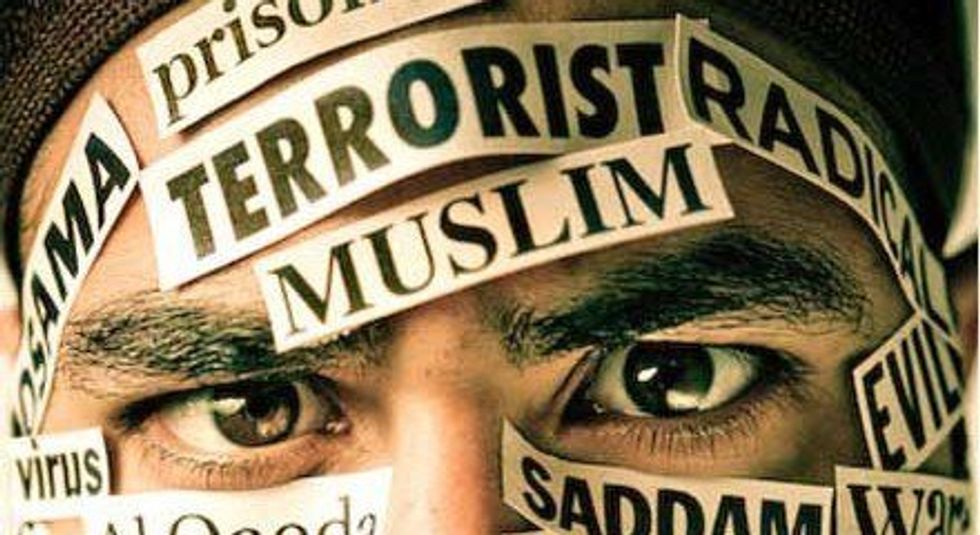
The year 2015 has been eventful in terms of extremism. We have increasingly heard from large news media about the rising threat of radical Islamist terrorists. To add to this, the 2016 presidential election is nearing, and we continue to hear harmful, Islamophobic rhetoric from candidates with prejudiced agendas. Tensions are at an all-time high, but the truth of the matter is that there have only been two terrorist attacks with Islamic extremist motives on U.S. soil within the last year. That’s not to say that ISIS and other terror groups are not a threat, but that most all of these attacks occur overseas, more commonly in African and Middle Eastern countries where these groups are based.
On November 13, 2015, in a series of coordinated attacks involving mass shootings and bombings across the city of Paris, France, 137 people were killed and more than 350 were wounded. Less than a month later, on December 2, a mass shooting in San Bernardino, California, killed 14 people and injured 21 more. These two events captured the attention of the Western world and, understandably, have sent tensions and fears of the American people through the roof. But, as Americans, where do we draw the line between protecting our own and using these events to justify whatever pre-existing prejudices we may have? Why do we allow the actions of a few to influence our views of an entire religion and all that it stands for?
According to a recent Pew Research Study, there are an estimated 1.6 billion Muslims in the world today. That’s over 20 percent of the population. Many people in our own mainstream media identify as being Muslim, and so have many great leaders throughout American history: Malcolm X, Ice Cube, Muhammad Ali, and even the famous medical TV talk show host Dr. Oz identify as Muslim, just to name a few. These people are Americans. They are leaders, innovators, healers; they are human. If one fifth of the entire population really wanted us dead, they could do the job pretty quickly. My point is that most all Muslims denounce these violent, extremist attacks, and the people who carry out these attacks do not represent the religion of Islam and its followers.
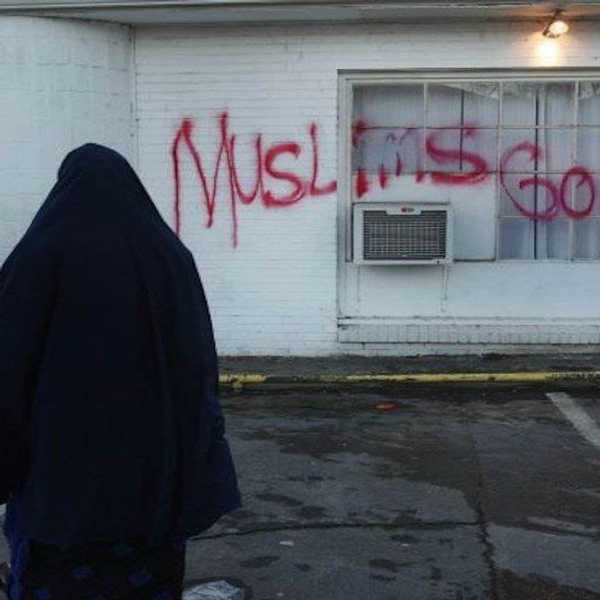
In fact, it would appear that Muslim Americans have more reason to fear other Americans than Americans have to fear them. According to CNN, threats and vandalism at mosques in the U.S. are at an all time high, with over 60 incidents at mosques so far this year. These incidents range from calling in death threats and defacing mosques with spray paint, to armed protesters standing outside of mosques, claiming to be protesting the “Islamization of America.” And that’s only a snippet of daily occurrences of islamophobia that affect Muslim Americans on a daily basis.
Presidential candidate Donald Trump has used islamophobia to further promote his campaign, using 9/11 to manipulate and play on the fears of voters by claiming that Muslims were “celebrating” when the twin towers fell. Just days after the recent San Bernardino attacks, Trump proposed banning entry of all Muslims to the U.S., effectively implying that there is a direct link between Islam and terrorism. In recent events, a self-proclaimed Trump-supporter, William Celli, was arrested for allegedly constructing bombs with the intent to use them to harm Muslims within his own community. Celli frequently posted on his Facebook page, including rants about Islam: “Surah 47:4 When ye encounter the infidels strike of their heads. And I'm the bad guy., And our progressive leaders want to bring more of this into our Country. Upwards of 6 million over the next years. Kiss your Christian asses good bye. And all other non believers of the Koran." He also made several posts showing his support for Trump: “Donald trumps on again I'm happy leaders okay but this guys a great point man I'll follow this MAN to the end of the world."
There is a light at the end of the tunnel through the seemingly endless ugliness of radicalized Trump supporters. Brandon Stanton, photographer for the wildly popular “Humans of New York” blog, has spent the last couple of weeks interviewing and documenting the stories of refugees in Turkey and Jordan. These compelling stories, always accompanied by a photograph of the interviewee, give a voice and face to refugees, many of whom are Muslim. One woman photographed garnered an incredible amount of attention: Aya Abdullah, a Muslim Iraqi woman who became a refugee at the age of 14, moving from Iraq to Syria due to threats and later moving to Turkey to escape the war. Tensions are high in Turkey as well, where more refugees arrive every day. She told reportedly Stanton, “We’ve had to switch apartments four times because our landlord decided that Arabic people are no longer allowed." Aya described the long, difficult process of applying for resettlement in America. At one point, her application had been accepted, but then she was later notified that it had been denied due to “security reasons." Without citizenship, her opportunities are limited; she cannot get a degree or find a job to support her family. Aya’s story went viral, and a petition named “Let’s Bring Aya to America” appeared in Change.org, gaining nearly half a million signatures.
Other U.S. presidential candidates have condemned Trump’s words against Muslims, including Bernie Sanders, a Democratic candidate from Vermont. Recently, Sanders visited Masjid Muhammad mosque, joined by several religious leaders of various faiths with the intent to strongly “condemn the anti-Muslim rhetoric and hatred." Just the day before, on December 15, Hillary Clinton met with local Muslim leaders in Minneapolis, Minnesota. Clinton gave a speech addressing terrorism in the U.S. and urged people to “stand up against offensive, inflammatory, hateful anti-Muslim rhetoric."
Muslim Americans are Americans. Islamophobia and hate crimes against Muslims and Muslim communities are on the rise in the wake of recent terror attacks, and it is our job as fellow Americans to eradicate the islamophobic rhetoric perpetrated by ignorance.