

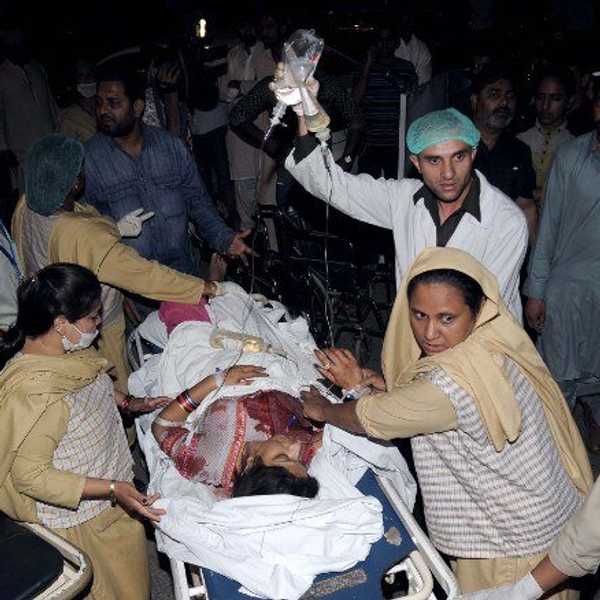
Hijab. Oppression.
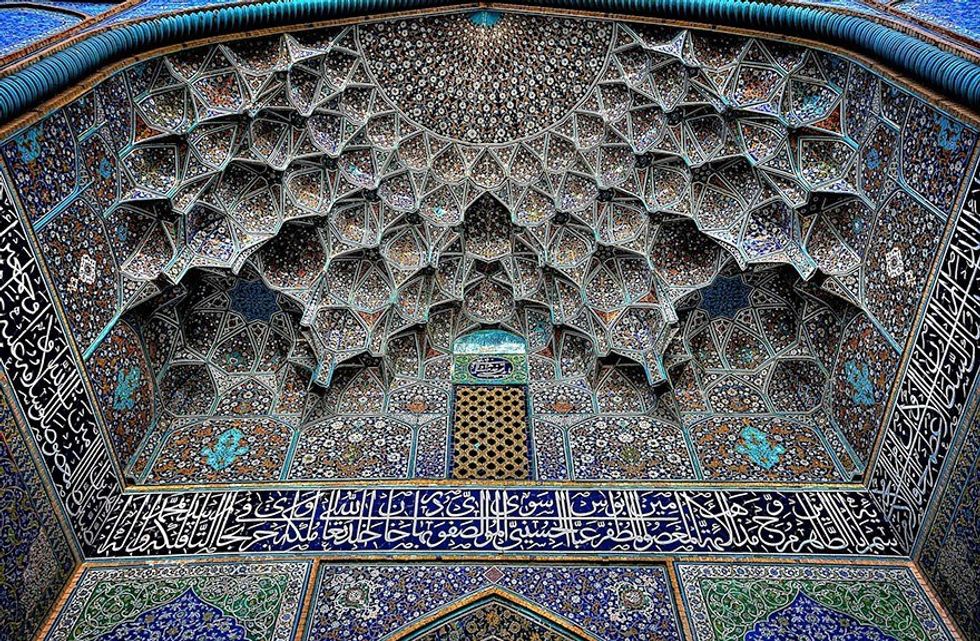
Mosques. Destruction.
Jihad. Terrorism.
Islam. Evil.
In the wake of the recent Paris attacks, the whole world once again fell into the vicious cycle of perpetrating false stereotypes against Islam and against Muslims. Politicians (read: Donald Trump) made bold remarks about how mosques should be shut down and how Muslims should be treated with caution. Countless Facebook posts, comments, and arguments once again proved that most people in the “Western” world still have a deep-set Islamophobia ameliorated in no way by the exacerbated image of Islam and Muslims portrayed by the media.
First let me just say that terrorism has no religion. Terrorism has no religion. Let that sink in. You must be wondering how could that be true? Surely terrorists are people that fight in the name of religion? Their actions certainly are “religious” and indicative of every single person who professes that religion, right? Right?
Before I try to do justice to what Islam really is, let me point out a few things Islam is not. It should be noted that what a religion really is and how it is interpreted/applied are two very different things. Islam is not a religion that dictates the oppression of women. It does not preach hatred against other religions. Islam is not based on inciting violence against “non-believers,” and it certainly does condone preaching Islam by force. Furthermore, Islam is not a religion that forces people to do things against their will.
The word “Islam” literally means “to make peace.” It is not just a religion but a set of ideas and a way of life that recognizes and encourages people to practice tolerance, respect, humility, equality of rights for men and women, freedom of choice, right to education, rights of animals, and even caring for the environment. Islam is, therefore, a collection of ideas that most religions in the world also share.
Islam is a religion that has inspired an astoundingly rich history of innovation in architecture, calligraphy, astronomy, medicine, physics, biology, alchemy, mathematics, geography, and numerous other fields of arts and sciences.
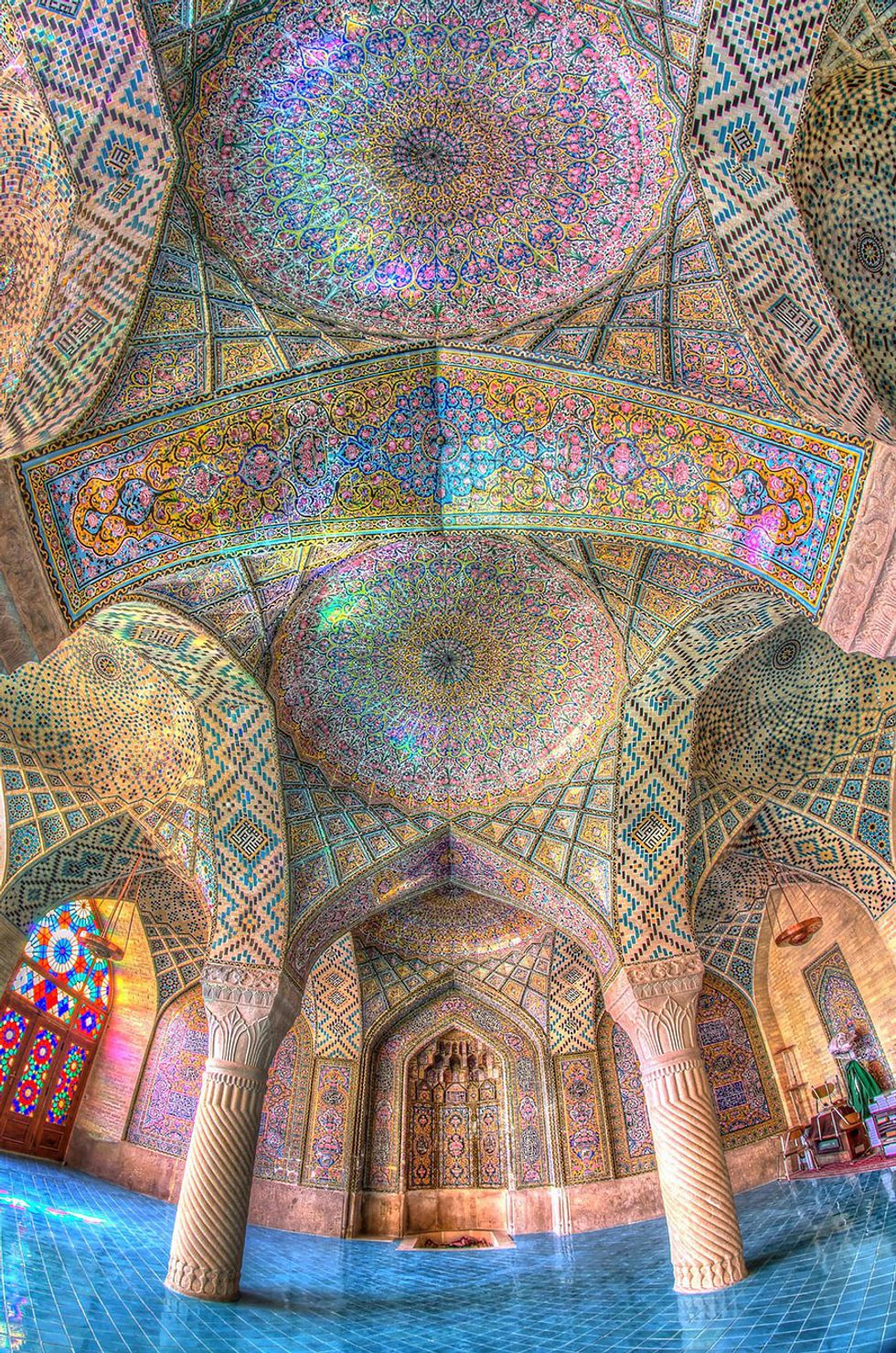
Islamic architecture especially is awe-inspiring and Islamic architectural feats in the form of mosques are considered to be some of the most striking and intricate in the contemporary world.
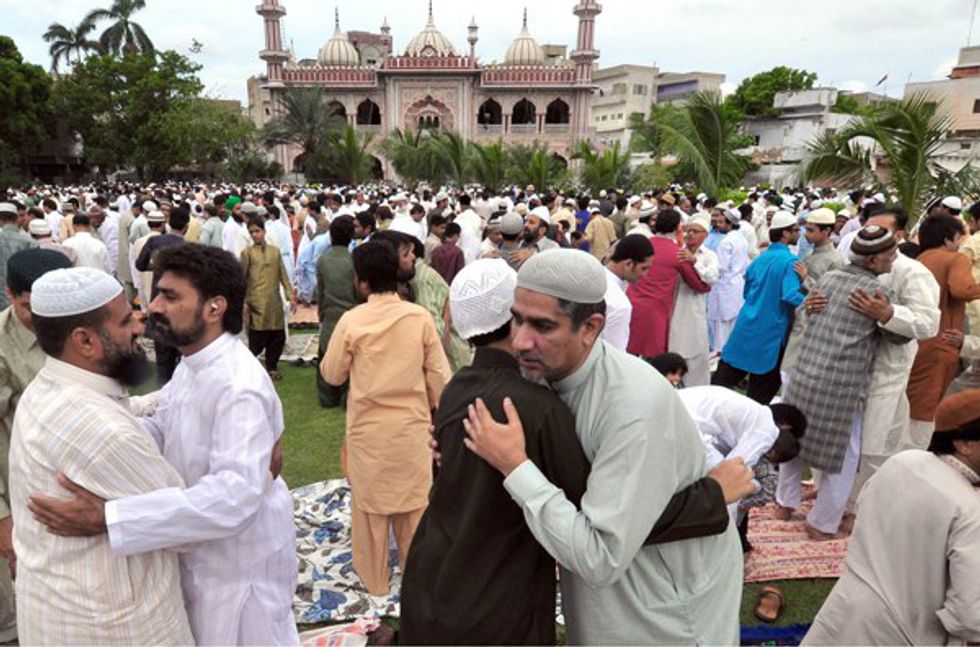
Islamic festivals especially the two Eids are cause for rejoice: people coming together and sharing love:
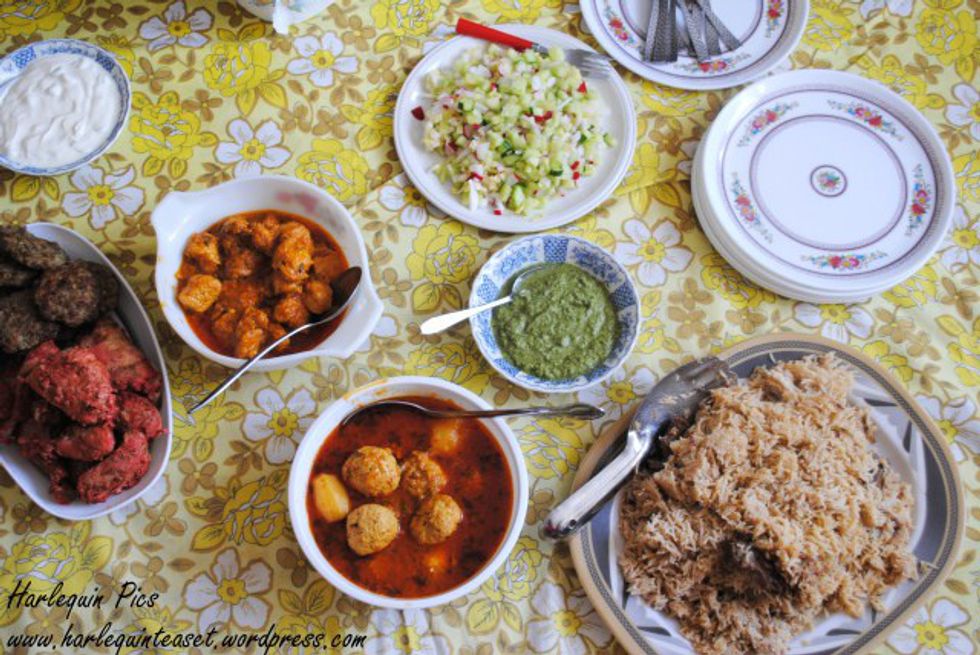
And food:
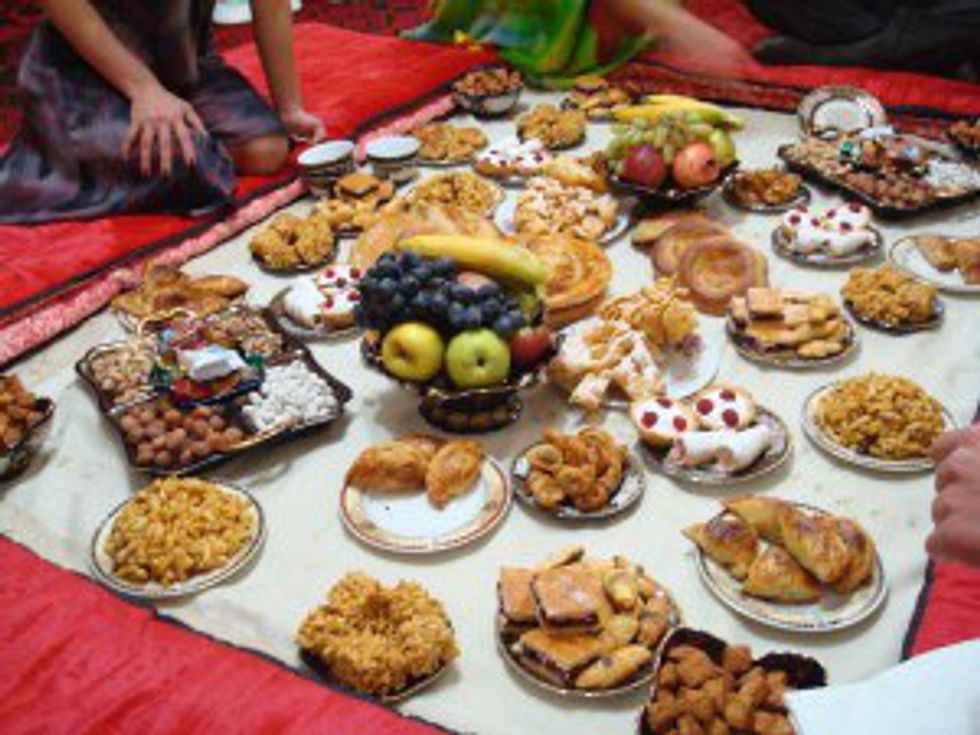
A lot of great food:
Islam does not dictate oppression of women and actually makes it compulsory for women to get education. The choice to wear Hijab is just that: a choice.
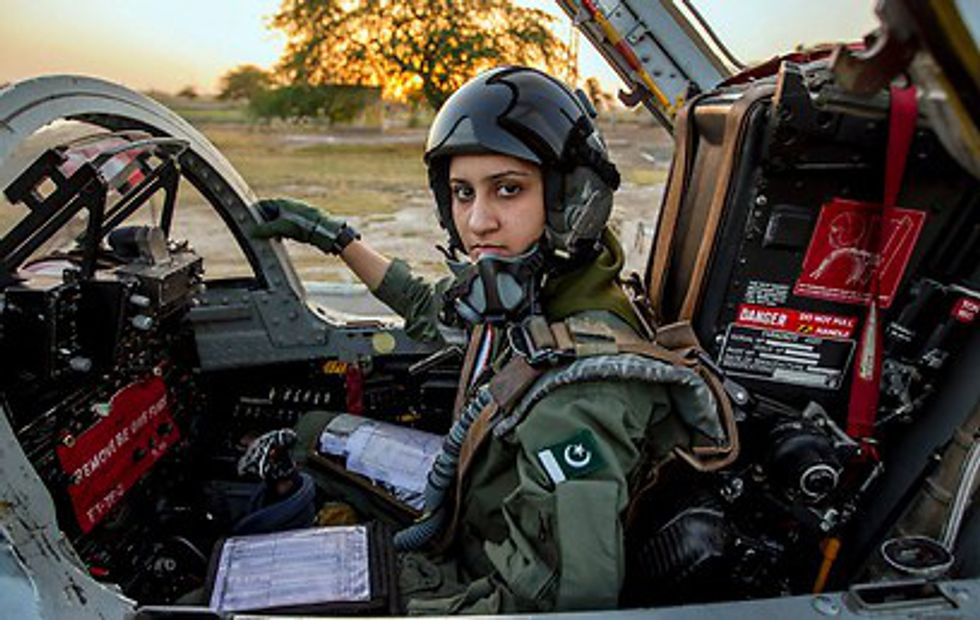
Furthermore, the actions of a few deluded individuals in the name of Jihad should certainly not shadow Islam and Muslims as a whole. The word "Jihad" means "to struggle." Islamic teachings mention different types of Jihad including Jihad against one's own desires and temptations (the highest form of Jihad), Jihad to gain education and many other types, most of which do not encourage fighting or violence of any kind.
This article in no way does justice to the extent of the Islam as a religion, and I am not suggesting at all that the way Islam is interpreted and followed in many of the Muslim countries is perfect. Instead, I hope that the next time you hear the world "Islam" or "Muslim," you do not reduce this rather beautiful religion to a few misguided stereotypes about violence and terrorism. Instead, just think about the millions of peaceful Muslims that live in the world guided by principles of harmony, peace, and equality. Think about the rich history of Islam in the world and how Islam and Muslims have shaped the world in major positive ways. Think about the art and scientific knowledge that Islam has inspired. Try to learn more about Islam and break the stereotypes and misconceptions that only serve to create misunderstanding among people.
Hijab. Choice.
Mosques. Beauty.
Jihad. Struggle.
Islam. Peace.

















