In early September of this year, two suicide bombs detonated at a mosque in Sana’a, Yemen, killing 28 people. Still, in the same month, 20 more were killed during Eid al-Adha (a Muslim holiday) when bombs went off near another mosque in Yemen.
In October, a Russian passenger jet blew up over Egypt, leaving all 224 people onboard dead.
In the last week, there was a suicide bombing in Beirut, Lebanon, which killed at least 43 people, and just days later, 129 people were killed and more than 350 people were injured in strategic attacks around the city of Paris.
51 attacks have been directly linked to ISIS since September of 2014, and the above-mentioned makeup only a few of the most recent occurrences.
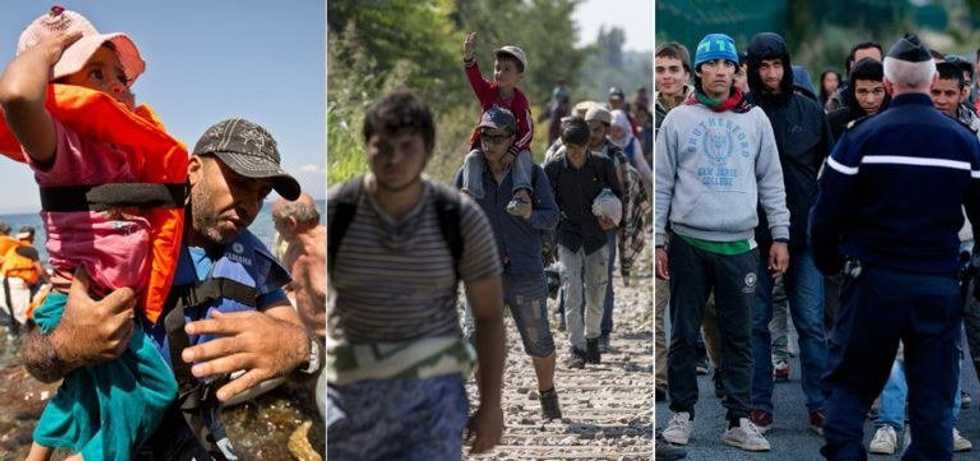
With the increased violence in Syria and throughout the Middle East, the influx of refugees has reached record heights. Thus far in 2015, the European Union has claimed upwards of 716,000 refugees have sought shelter in their borders. While this number is huge, it pales in comparison to the 1,000,000 taken by Lebanon and upwards of 2,000,000 taken in by Turkey.
Paris, as not only the most recent but also the most Western attack, has garnered an outcrop of attention from people around the world, including the United States. From the #PrayForParis to the #JeSuisParis, people have taken to social media to show their support for the people of France and the families of those lost.
This is not a bad thing. Or, rather, this is not an inherently bad thing. Obviously the support of those in Paris is intended to show solidarity and community and love and none of these are bad things. However, the question remains:
Why has this one gotten so much support?
For one, it's Paris, which is obviously a high-profile city recognized throughout the world. However, it cannot be lost that this is also a part of the Western world. This is a city that Americans vacation to, where friends work, and where the people seem more like “us” with their democracy and their Christianization.
It is easy to ignore the struggles of those you cannot identify with.
The attacks on Paris should be eye-opening. They should be shocking. The inhumanity that people are capable of should wreck you to your core. But the primary reason this has gotten so much airtime rests in the fact that now Westerners are forced to identify with the struggles of the refugees they have hardened their hearts toward.
Now they see themselves as potential victims rather than removed from the struggle because of differences in religion, politics and culture.
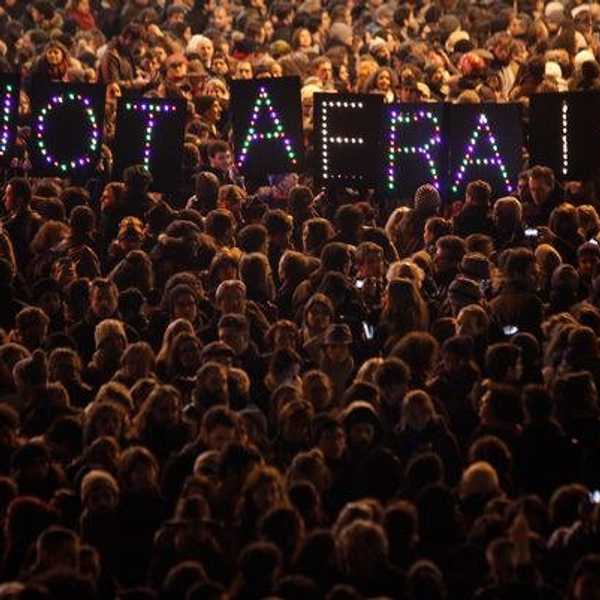
With the recent changes in policy towards refugees in Europe, and many countries refusing to open their borders to begin with, it's easy to see the hypocrisy. We stand in solidarity with those we can identify with. The #PorteOuverte (#DoorOpen) is used to tell Parisians who find themselves without shelters where they can seek refuge.
Again, these movements are heartwarming. It it wonderful to see that in the face of devastation and fear that people are still willing to open their doors toward their fellow humans, but where is this generosity towards the refugees seeking asylum who have been living in the reality of these attacks for the last year?
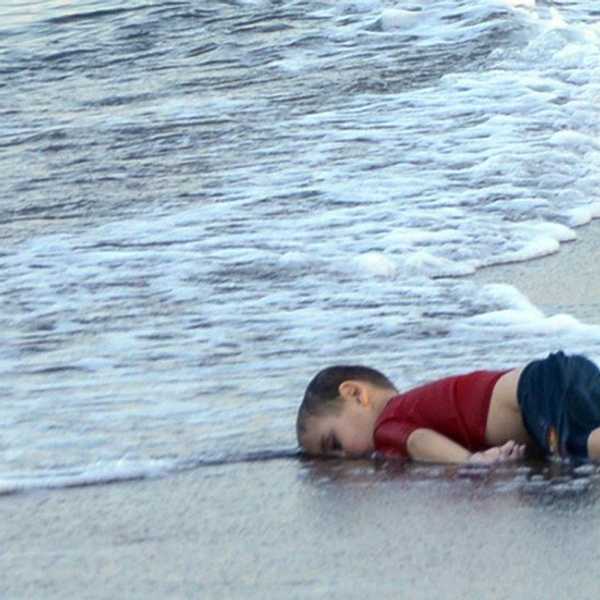
I mourn for the lives lost in Paris. I mourn for the fear these attacks have caused and the hate that they have catalyzed. I mourn for those in France who will never stop searching for justice or revenge, whichever comes first. But I also mourn for the upwards of 3,000 people who have died in the Mediterranean Sea in 2015 while running from these same terrors. I mourn for the lives of those extorted when begging for assistance. I mourn for the world as a whole.
Warsan Shire wrote:
“Later that night
I held an atlas in my lap
ran my fingers across the whole world
and whispered
where does it hurt?
it answered
everywhere
everywhere
everywhere.”
The world is hurting, and not just in those places we identify with simply because of democracy. In the wake of this sadness we have options. We can choose hate; it would probably be easier. It would be easier to turn our eyes, close our minds and harden our hearts to those who we see as "different" or "other." It would be easier, I'm sure, to ignore the problems of the world that do not affect the West directly. However, in a global community, what good is that? We can also choose love, though. We can also choose to use our undeniable privilege in the West to assist those who face the fear and the turmoil that so many have felt in the wake of the Paris attacks everyday. We have that power, we have those options. Life is hard enough as it is, there is no reason your heart should be.