


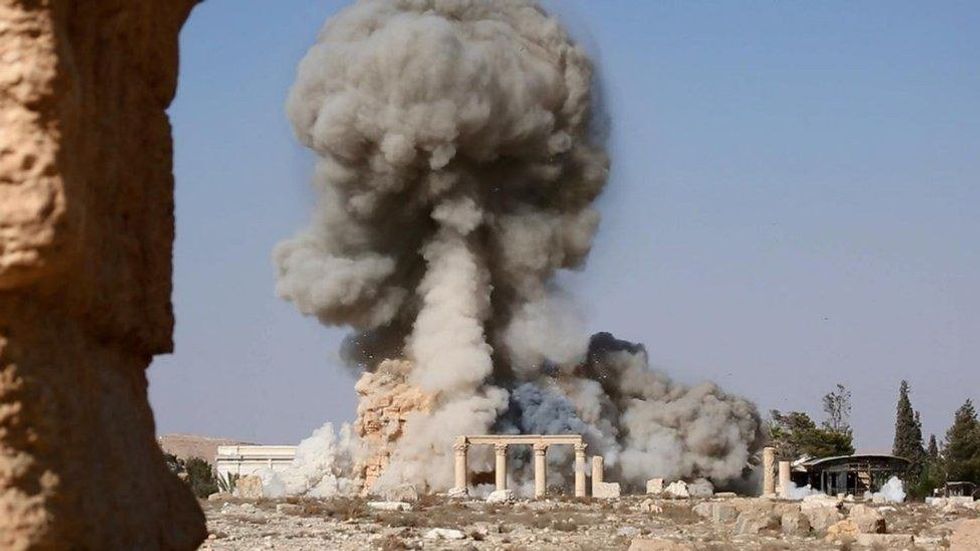
With the current presidential debate going on, everyone's present concern is on which bad candidate is the best bad candidate. All the while, ISIS is rampaging through the Middle East destroying cultural heritage. Ancient cities that stood for thousands of years are destroyed in mere hours. After ISIS took control of Mosul and Nineveh provinces, they gained access to 2,000 of the 12,000 registered archaeological sites. Now, the extremist groups second highest source of income, after oil, is looting.
ISIS recently released videos of themselves destroying the statues at the Mosul Museum, costing not only millions of dollars but damaging the cultural diversity that is the soul of the Iraqi people. These monuments they are destroying can never be fixed, no matter how advanced 3-D printing had become; the beautiful artifacts left to us are gone forever.
In the video that ISIS released, they state their reasons for destroying ancient artifacts and sites as a purging of false Gods and idols. Along with out-of-context quotes from the Quran, they include shots of extremists jack hammering and attacking artifacts with sledgehammers, reducing them past the point of recognition.
Burning books from libraries in Mosul.
Not only were the artifacts in Mosul destroyed but militants, but they also raided the library and burned ancient texts, including books ranging back to the Ottoman Empire. As one follower stated, "These books promote infidelity and call for disobeying Allah. So they will be burned." All together, they burned over 8,000 ancient manuscripts.
ISIS also reportedly raided other libraries in Mosul and it is unclear about whether they only burned books at the Central Library of Mosul or if they bombed it and destroyed the library in its entirety. UNESCO's Irina Bokova said the destruction may be "one of the most devastating acts of destruction of library collections in human history."
Destruction of Nimrud.
Nimrud, an ancient Assyrian city dating to the 13th century B.C., was disastrously bulldozed and reduced to rubble by explosives. Ihsan Fethi, a member of the Iraqi Architects Society, told the New York Times, "I cannot even describe the immensity of this loss," adding, "This is one of the most famous and probably one of the most important sites in the world."
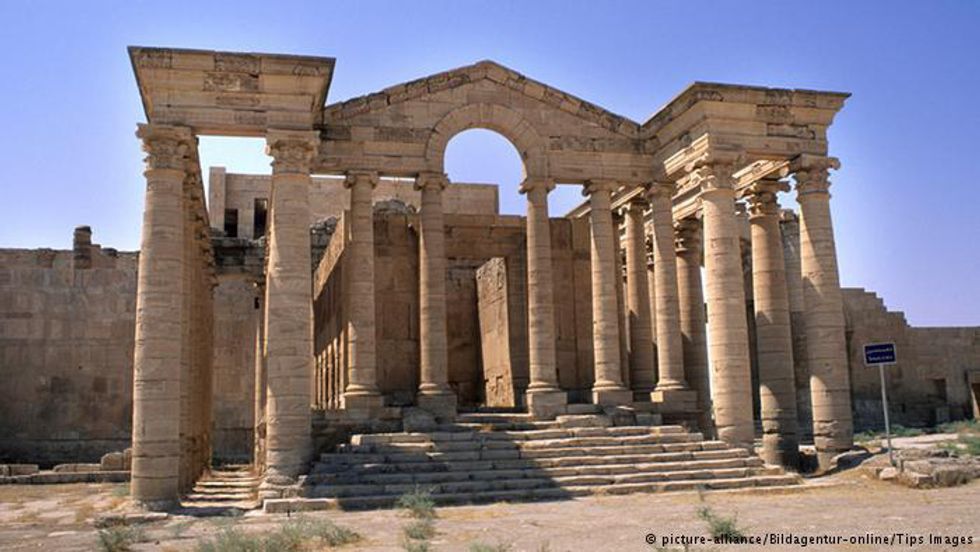
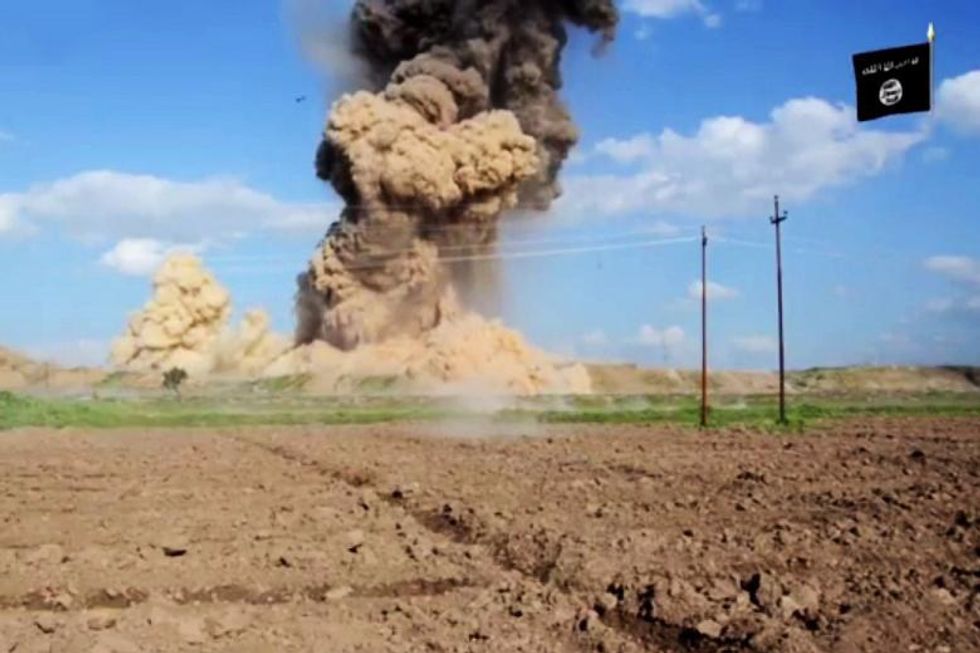
Pictured above(left), the temple, palaces, and buildings of Hatra, just one of the many ancient monuments at Nimrud that have been reduced to ash(right).
Palmyra -- now ruins.
The ancient site of Palmyra, often described as the 'Venice of the Sands, prospered during the first and third centuries A.D. The city rose in splendor in the Syrian desert in ancient times, surrounded by an oasis of date palms and gardens. Palmyra remained one of the best-preserved sites for over 1,500 years until ISIS dismantled the site piece by piece. Or rather, explosive by explosive.
The temple of Bel, among the destroyed monuments at Palmyra, was not only beautiful but incredibly historically significant. Ross Burns, adjunct professor of ancient history at Macquarie University in Sydney, Australia, and author of two works on the archaeology and history of Syria, explains what the world has lost. “This is one of the most important of the great temple sites of the Roman eastern provinces.
The central shrine, or cella, stood in an enormous colonnaded courtyard. The shrine itself was also surrounded by a columned portico on all sides and was blown up with great proficiency.
The only part that appears to be standing is the remarkable western doorway into the shrine, which was a spectacular entry with a richly decorated frame that sloped inwards as it rose in an Egyptian-influenced style.”
Temple of Bel, before and after:
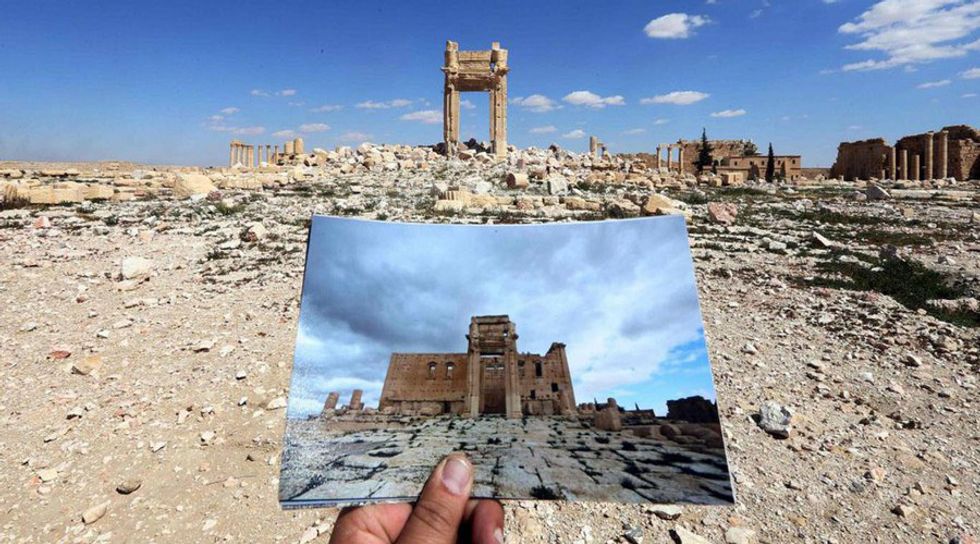
Other before and after photos of destruction at Palmyra:
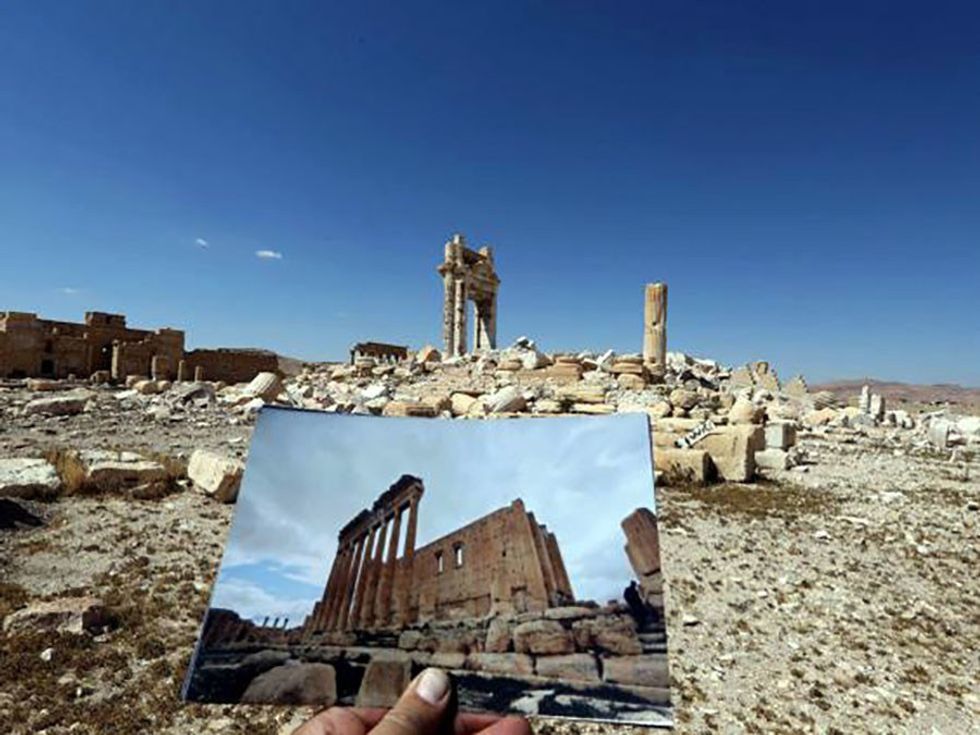
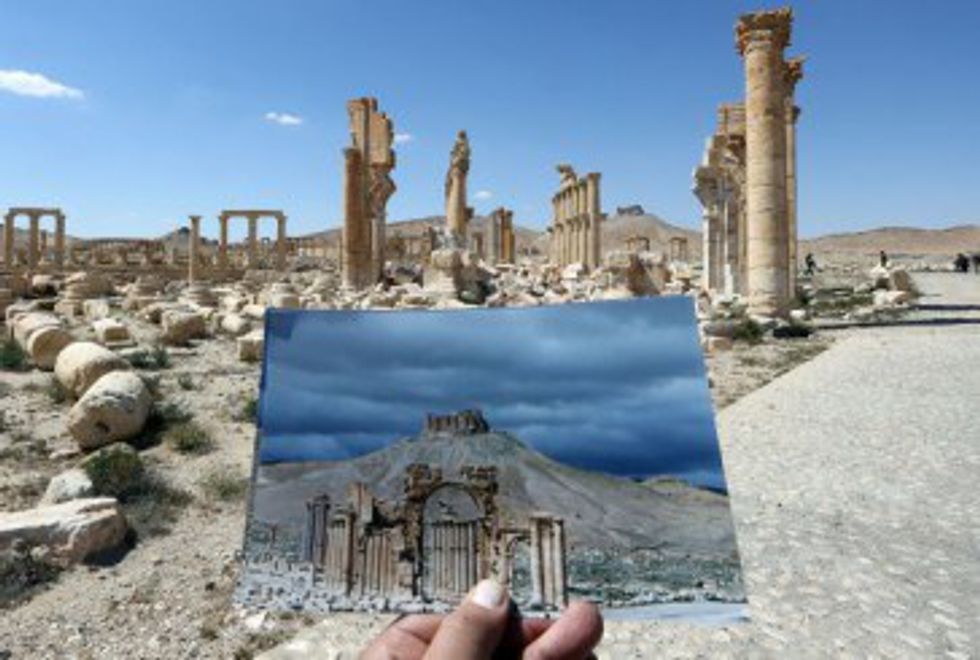
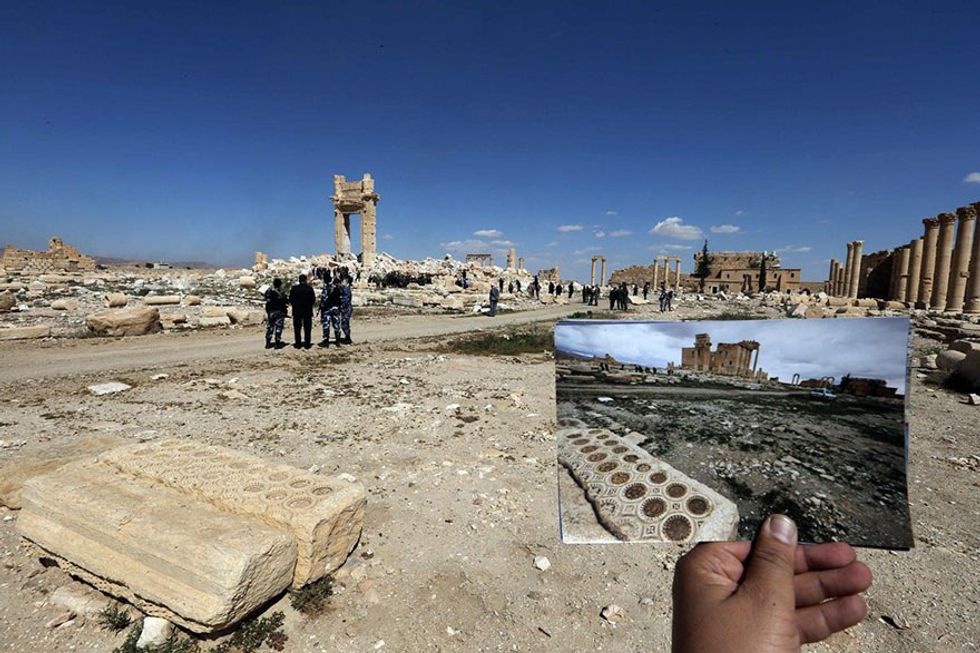
The Syrian government has issued statements saying that despite the possibility of restoring the ancient sites, using 3-D printers to make replicas, they refuse. Doing such would ironically be another act of erasing history. They want to remind people of the destruction ISIS is bringing, and restoring the temples would accordingly make us forget.
At the reopening of the Baghdad Museum last weekend, Iraqi prime minister Haider al-Abadi said his country would not let ISIS erase its history. "They are trying, with their barbarism and arrogance, to destroy the inheritance of humanity, the inheritance of Iraqi people and their civilization, [the] same way they destroyed humans," he said. "I want to send clear message from here in Baghdad, that we will preserve this human civilization and its inheritance, and we will pursue those who are trying to destroy it."
ISIS continues to decimate cultural history, the currently destroyed sites that we know of include:
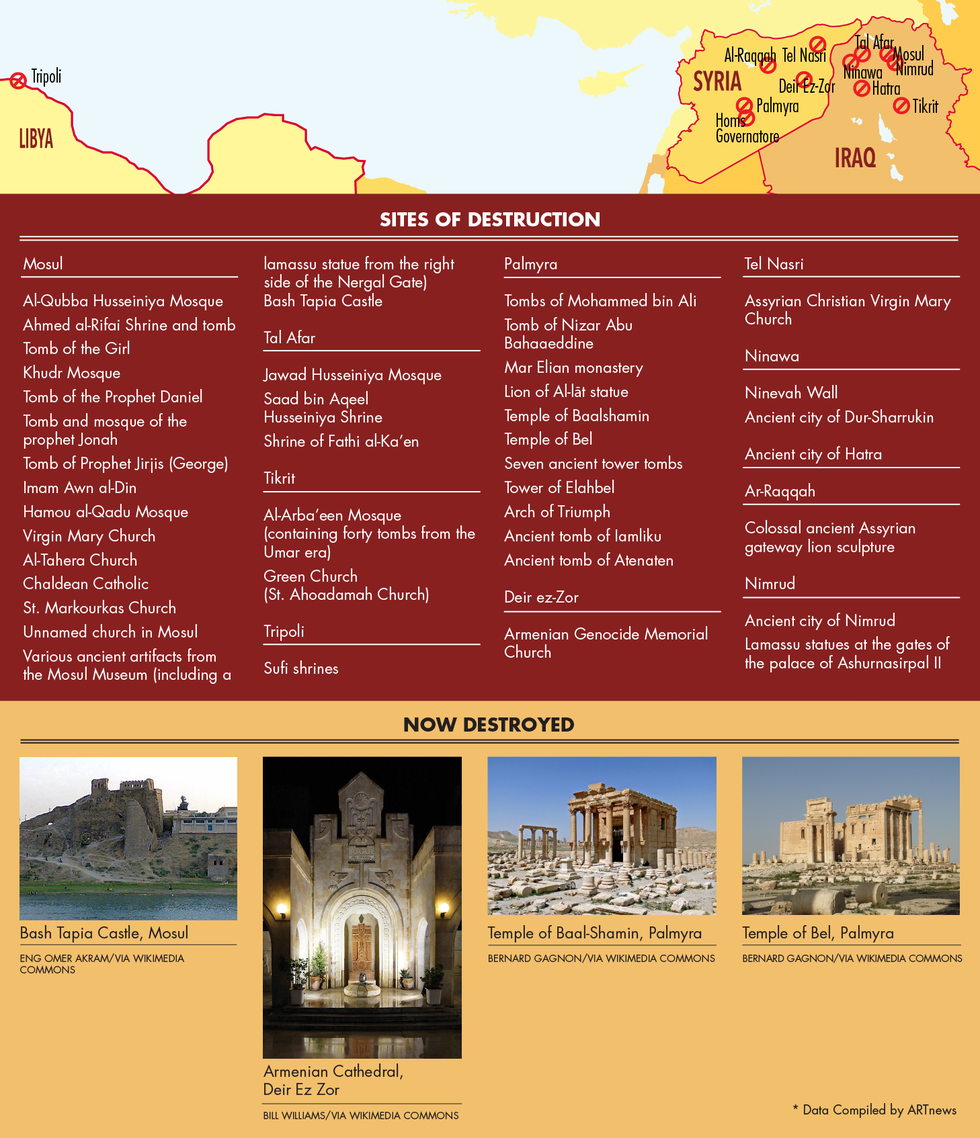
About 66 percent of the World Heritage sites in the areas of Syria and Iraq that ISIS occupies have been destroyed, and there is no evidence they intend on slowing. Groups of archaeologists are teaming up and attempting to remove the most valuable artifacts they can. Some are even dying for their cause, such as, Khaled al-Asaad.
Khaled was a leading scholar in the field of archaeology and the head of antiquities at Palmyra. He was beheaded by ISIS after months of interrogation because he would not give up the location of artifacts he had hidden. Khaled's mutilated body was then hung up for display in the ancient city of Palmyra, the one he loved so much and dedicated 50 years of his life to.
Unfortunately, American media seems to hardly cover the destruction of history that is occurring. Instead, we focus on Donald Trumps every statement and who wore the best outfit at Hollywood's latest event.
Why aren't we focusing on the things that matter? We all already know the kind of things Donald Trumps says and does, so lets stop making the presidency into a reality TV show. Who cares about Kim Kardashian's latest shenanigans? Last time i checked, that's not affecting anyone's life at a large scale.
Let's start looking at the bigger picture of what is going on in the world. Part of it is being destroyed right now, and no one seems to care but those directly influenced. These ancient sites affect everyone, they are a shared cultural history, and soon there will be no remnants of an entire history of peoples if this destruction continues.















