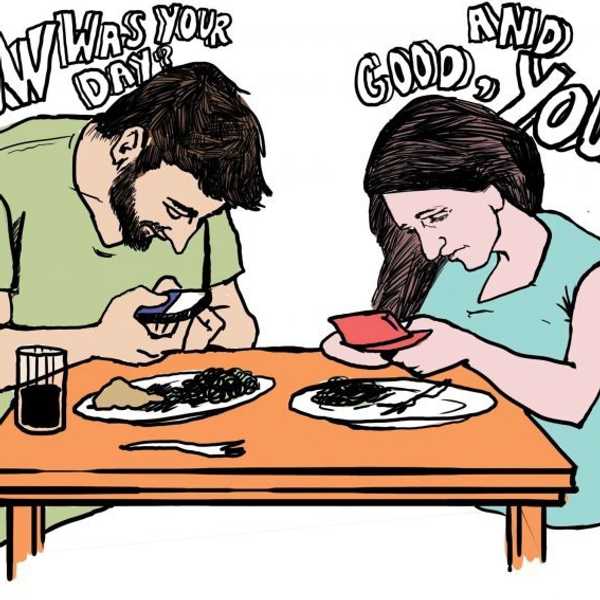
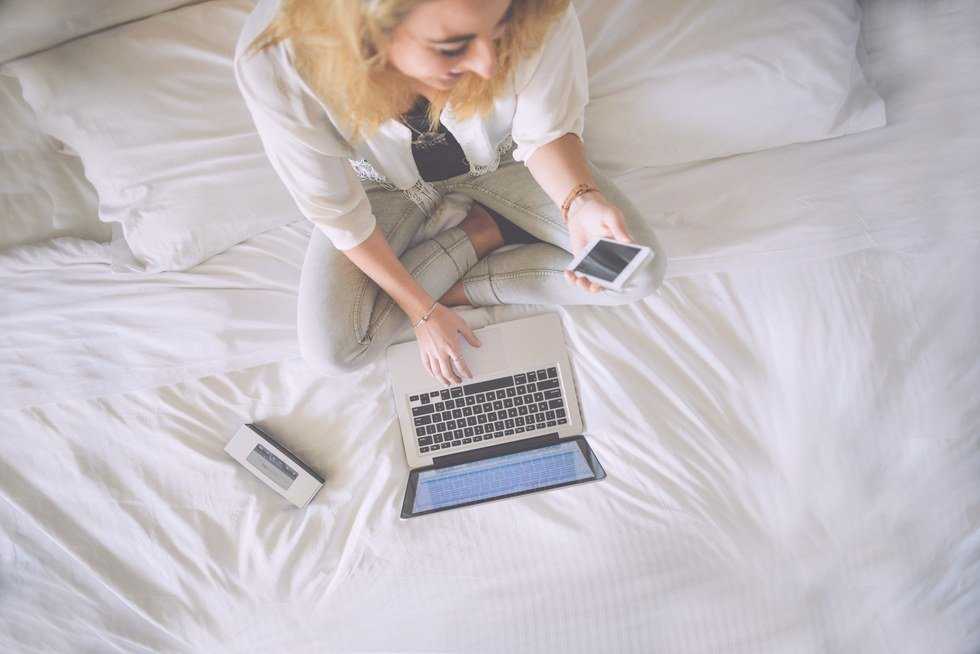
Every week my AP Language Arts teacher does something called 'Rhetoric Friday". It is basically a time for our class to read a controversial article and debate the pros and cons. Last Friday the topic was about social media and how we "used to be human beings" before all this technology came about. It got me thinking on how much time we actually spend on our devices.
If you have ever given up technology for Lent or another holiday or just for fun, you probably have discovered how much you really don't need to be watching Netflix, snapchatting or instagramming 24/7. If you have not done this, I highly encourage you to give it up for at least 30 days; the results will most likely surprise you.
To find out how much time you are spending on your phone, there are many apps and, if you have an iPhone, you can go to the Settings app and look at how much battery you use on certain apps. For example, today I used 15 percent on the Maps app and seven percent on Instagram. That is a lot better than I usually do; most of the time it's close to 50% of my battery used on Instagram or Snapchat. The statistics of time spent on devices really is shocking- Washington Post said in an article that teenagers spend roughly nine hours on their phone… I don’t even get nine hours of sleep every night. That also doesn’t include how much time you spend on a laptop or watching TV. What is that doing to our brains? It can’t be anything good, but how does it affect our lives in general? I’ve had a phone since the sixth grade, but there were a lot of parental controls on it and I could only spend a certain amount of time using it. So in middle school I would go home and read for hours on end as my free time. Sometimes I would hang out with friends too, but mostly I read, and read and read. I loved it, but I haven’t picked up a book (for leisure) in about five months. I am a very busy person, but I do have free time, and what do I do with that time? I go on my phone or watch Netflix for hours. It’s addicting honestly.
It also affects our social skills- although it is a great platform to meet other people and expand friendships, many young people have social anxiety, and fear of speaking and/or introducing themselves, so social media definitely helps with that. But, it does affect people’s ability to speak to people in person. The issue here is that the true emotion is never portrayed on social media. People are able to think long and hard about what they want to say, the reaction is never there. Sometimes when people text me and it'll make me annoyed, I’ll write my response and then I’ll add a smiley face so no one can get angry at me or cause any issues.
Isn’t all of this just “protecting” us from all of life’s intended hardships? We’re human, sometimes our instinct reaction can cause issues, but hiding behind the curtain of a text message or photo caption is just reducing our ability to get close to our friends and learn from our mistakes. Although it sounds cheesy, it’s some food for thought. Think about how technology usage affects our lives, because if we choose to be completely blind to it, then we’ll go on the rest of our lives shielding ourselves from our real problems and pretending like everything is great and our lives are perfect through a cute photo on Instagram.