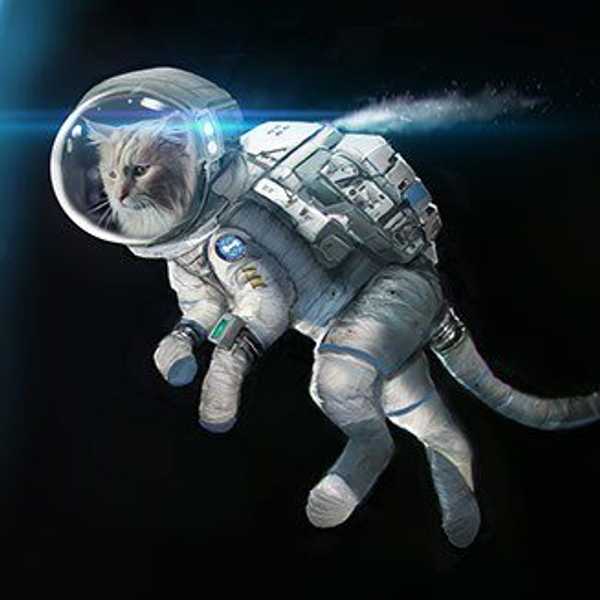
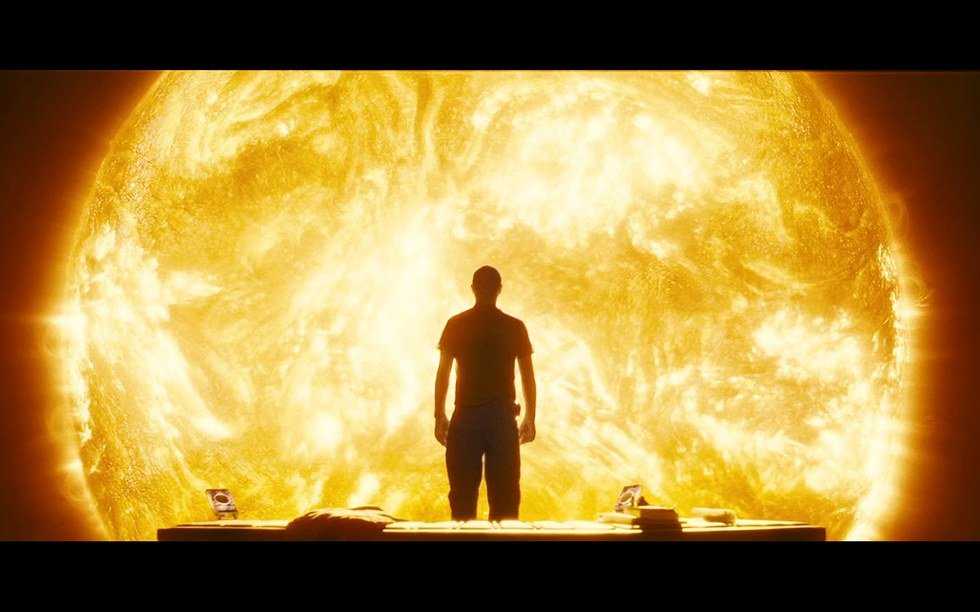
With the current world in a state of frenzied havoc due to politics, environmental factors, and everything else going wrong, the statement “I’m moving out of this country/world” has been heard quite frequently. Now, if you are trying to escape from “Big Brother Watching You”, you’re just in luck, because the forests of Canada are right next door. Now if you’re really concerned about the wellbeing of our planet, you might have some trouble catching the next space shuttle heading to mars or the moon.
In movies we see human populations relocating to massive aircrafts and eventually to planets that orbit alongside Earth. There’s no lie that living in space would be incredible and an…out of world experience, but is it actually possible?
Technology has drastically improved over the years. In the 1600’s, Galileo’s telescope could be used to study the mountains and plans on the moon. Now, modern telescopes not only produce digital images, but of galaxies millions of miles away. While there have been thoughts thrown around about living on Mars, Dr. Al Gobus, who is a NASA contractor and space settlement expert, proposes living on orbiting colonies may be a more successful action. There could be possibilities of space ships being built large and resourceful enough to sustain large populations of humans. Dr. Gobus described the settlement to contain a central cylinder that constantly rotates. The force of rotation provides artificial gravity for the people living on the ship, which would let the inhabitants move around normally as they would on Earth. At the center of the settlement, there would be a zero gravity chamber because there would be no rotation. Dr. Gobus explained that it could be used for recreation or even use for films. There would also be areas designated to produce agriculture.
The cost of building a settlement Dr. Gobus described would be doable. The only catch is that world peace is established and the money being shelled out for wars is directed to the settlement production. According to the scientist, right now might not be the best time to start building, as technology is not yet sufficient to create such a device.
While the creation of a space shuttle is being put on hold, the precautions of living for extended amounts of time must also be considered. There is an airplane that gives people a chance to experience zero gravity. Half of the visitors reported motion sickness that didn’t wear off for two or three days. To combat these bouts of nausea, astronauts that are assigned to go to space are actually placed in a “zero gravity” container to help them adapt to the conditions. If we were to live in space, humans would have to be prepared very far in advance, considering the amount of people planning to live in a settlement. Although the settlement would contain a rotating sector that would provide artificial gravity, it is not nearly the same as what we are used to on Earth.
The longest amount of time spent in zero gravity was 438 days in the 1980’s.
Lack of gravity can cause many physiological effects, such as the body morphing. Astronauts actually grow 2-2.5 inches taller after being in space, but it is very painful. Internal organs also can drift upward, faces get puffy and waists can shrink. With no gravity fighting against the body, muscles will lose their functions and bones can become thin and brittle. To combat these effects, astronauts work out up to three hours per day, so a population on a settlement would be required to consistently exercise the standard given amount.
A huge health risk in space would also be exposure to radiation. The settlement would have to be built with special deflectors resistant to constant rays.
There are many factors that make it seem unrealistic for humans to live in space. However, as mentioned earlier, technology is transforming and advancing every day. In 20 years, who knows what will exist that can provide humans with necessary tools to survive on an orbit beside our home planet. Living in the darkness among the stars may not be possible now, but there is always hope.