I think there is an epidemic with this generation’s reliance on social media.
But this is not new information.
Nor is it inherently newsworthy. The following might be: we are choosing our colleges based on Instagram.
As trivial as it sounds, I invite you to open your mind to this possibility. The possibility that we are enabling the pictures, the friends, the snapshotted moments of “reality” posted by our college aged friends and acquaintances to influence our decision of choosing a college.
Somebody recently called my Instagram “goals.” Honestly, I took great pride in this statement. I love making witty captions and doing my best at creating aesthetically pleasing pictures that show off my finer moments of life, with an immense amount of filters. But they continued by telling me how they aspired to emulate me and my freshman year of college -- because, judging by my Instagram, I was doing exceedingly well.
My heart sank.
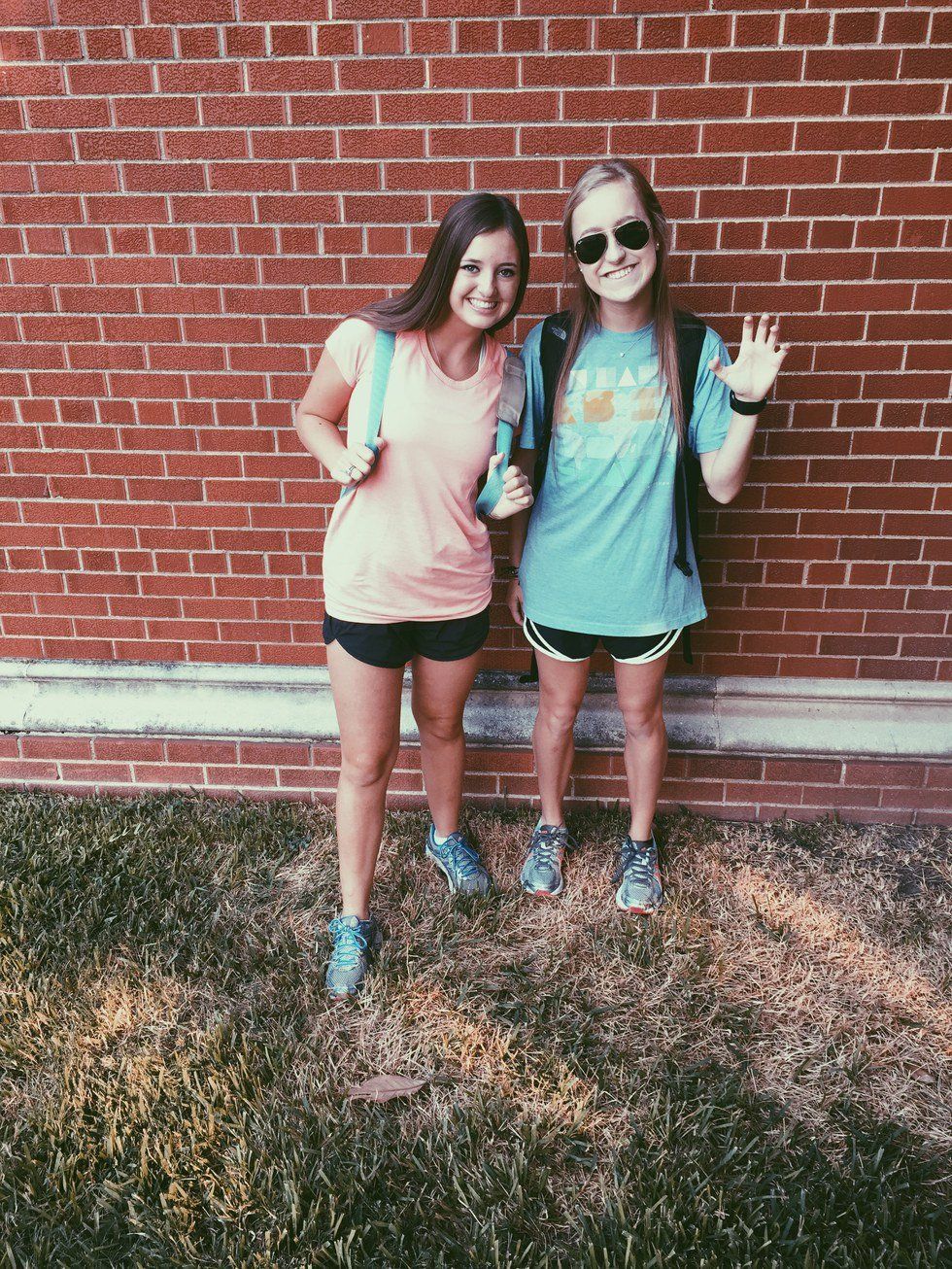
They weren’t wrong in saying this. Their observations and analysis were actually spot on. Judging by my Instagram, I am rocking at life. I have plenty of friends, a cute boyfriend, and am well liked by everyone here at Baylor. I dance around a football field and live a life of leisurely going to concerts and restaurants and new cities, all while keeping a huge smile on my face and wearing only the finest outfits.
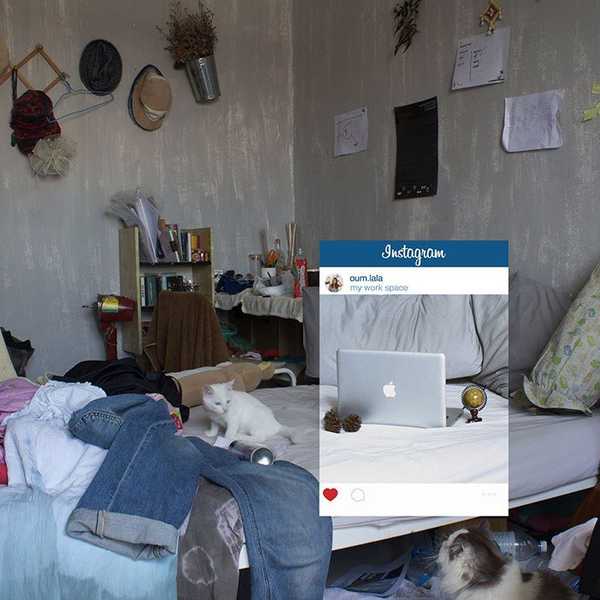
In reality, this is merely a façade that masks the ugly parts of my life, the parts that would probably get 0 likes on Instagram. The feelings of inferiority, the nights spent crying during my first semester when I felt so alone, the long phone calls with friends from home who I missed more than I could have imagined. Unfortunately, along with all the good, these things shaped my college experience -- even though I didn’t choose to share them. They weren’t a part of my Instagram feed but rather a silent part of my everyday life -- the ugly, hard, and painful parts that I tried desperately to hide.
When I was in high school, I did the exact same thing when determining what college I wanted to attend. I frequently checked Instagram and Facebook, investigating when anybody in college posted photos. I thought I knew exactly what every college campus was like before I had even taken a tour, just by the surface level posting of friends.
It’s scary to think that I could have selected the wrong college by these assumptions, just because I trusted social media to somehow have the credibility to paint an accurate picture of life at a specific university. It’s scary to think that some high school seniors will do the same thing based on the postings of my friends and me.
That they will disregard a campus for being a “party school” because my friends post pictures in a bar or at a frat party, not ever knowing that they have created friendships that will last a lifetime. That they have surrounded themselves with people that like to have fun, that like to go out, but more importantly that value memories more than a grade point average.
Or maybe they will disregard a campus for not being quite fun enough when really the students just choose to forego documenting every memory on social media. That they will deny themselves an opportunity to explore campuses who offer relationships with professors and strong educational programs.
Regardless of the specifics we, as a generation of young people, have an alarming tendency to trust what we see and what we read. We know first hand the lies of social media, the “pretty” version of our lives that we present on these apps, but we somehow forget this when we see the postings of others. We trust that they are delivering this candid honesty that we don’t even expect from ourselves, posting the good bad and ugly of their lives.
It’s hard to create a solution to a problem that seems to worsen as the spread of social media grows every single day. I’m not saying that us college students should post a selfie every time we cry out of homesickness because honestly, Instagram might sue me for a loss in popularity. But I wonder if we could encourage these high-school age students to look beyond Instagram and Facebook, and not place their faith in apps that promote falseness.
I wonder if we could speak candidly with them, encouraging them to explore these campuses on their own two feet, and not just the computer screen or a cell phone.
I wonder if we could create a new trend, one of face-to-face interaction, that could change the college-selection process for the better.
I wonder if maybe we owe it to these individuals to present them with the honesty that we ourselves sought after not too long ago.