"No, you can't be an introvert; you're so talkative!" Every time I hear this from someone, especially someone I know well, I heave a gigantic internal sigh and fight the urge to give them a massive eye roll. Once again, I have to explain the difference between introversion and extroversion to yet another person. I guess I shouldn't be surprised; most people believe that the ratio of introverts to extroverts is 25 percent to 75 percent. With numbers like that, it's clear to see why introverts are so often misunderstood, right? Wrong. That statistic actually comes from the 1960s. A much more recent study shows the ratio between introverts and extroverts is actually 50.7 percent to 49.3 percent. That's nearly even! So, why the constant misunderstanding? Well, one potential reason is that extroverts tend to be far more outspoken than introverts. Another reason is that, as a society, we tend to value qualities associated with extroversion, such as excellent verbal communication and willingness to work in groups, as opposed to qualities of introversion, like analytical thinking.
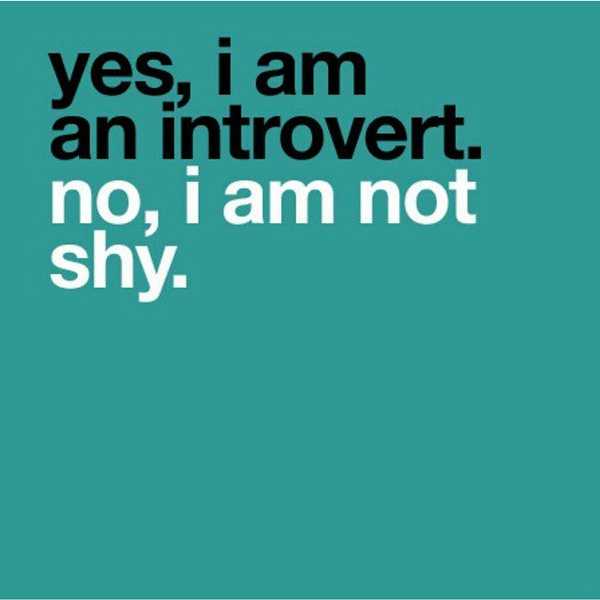
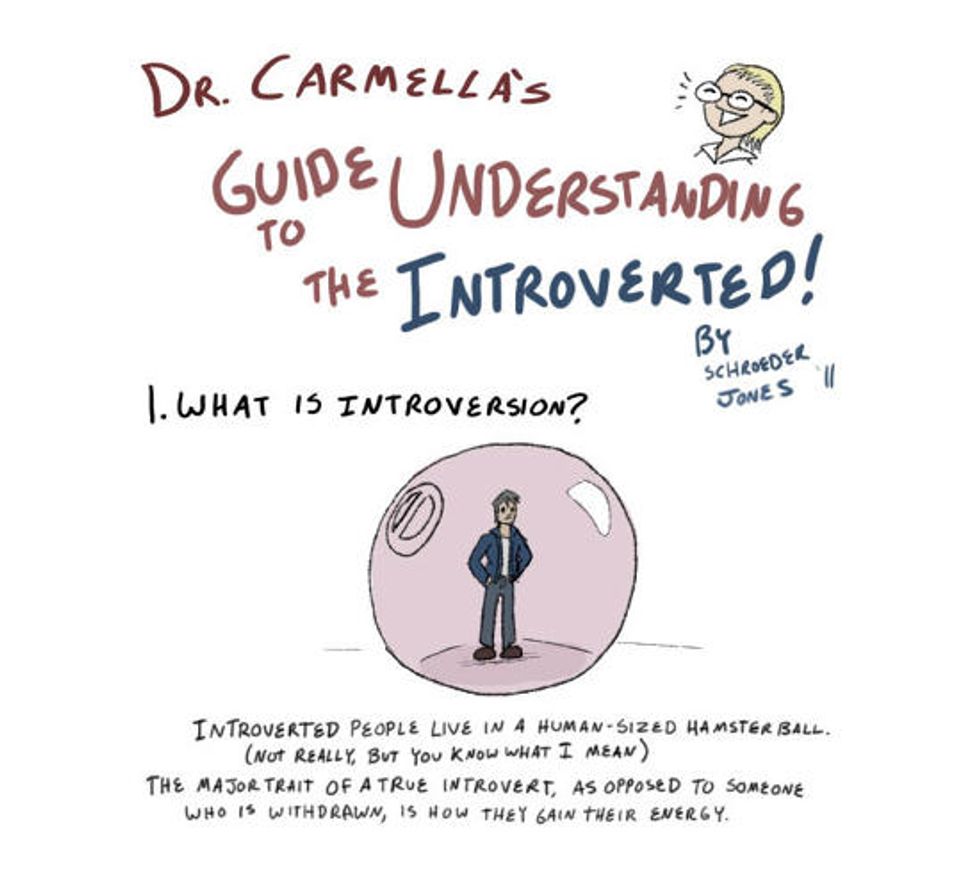
The most important thing to remember about introversion and extroversion is that they have nothing to do with one's level of shyness. Yes, it's true that introverts tend to be shyer, and extroverts tend to be more outgoing, but these terms are actually all about where people's energy comes from. Think of it like recharging a battery: introverts get energy by being alone, while extroverts gain energy through being around others. That's not to say that an introvert will never want to be in a social situation, but it will be more emotionally taxing for them, and they may want to leave earlier than everyone else.
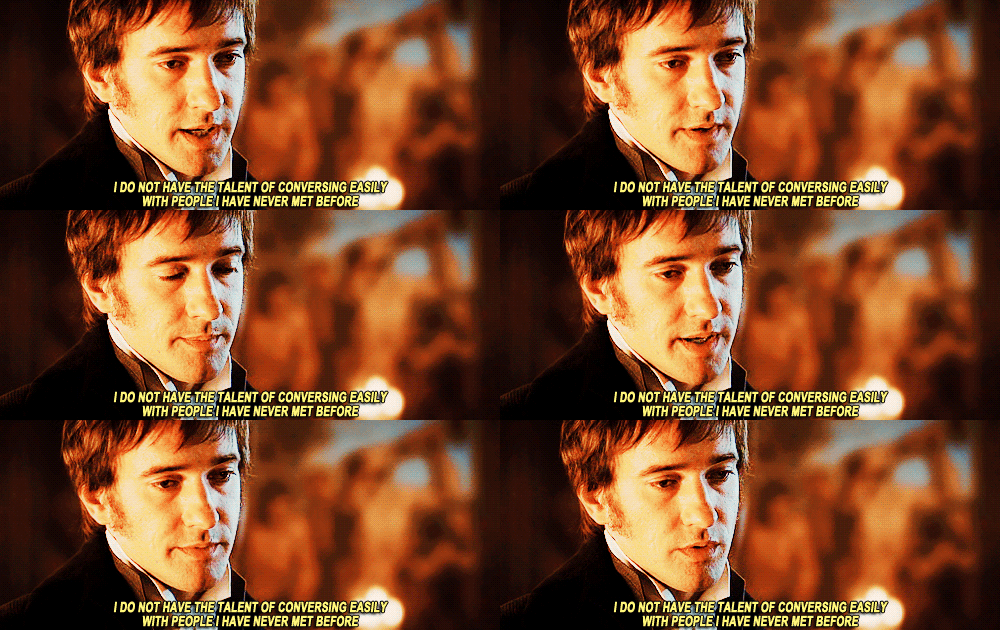
Another important thing to remember about both introversion and extroversion is that they exist on a spectrum. Most people are not entirely introverted, or entirely extroverted, but are somewhere in between, closer to one or the other. For example, I identify as introverted, obviously, but I'm very opinionated. In relatively small groups, I speak up readily, especially if it's something I'm very passionate about. However, if I'm in a room with a lot of people, or I have to give an oral presentation, I get incredibly anxious. Conversely, I know a few extroverts who are the same way. They enjoy being around people, just not a whole bunch of people they don't know.
Just because we introverts like being alone, doesn't mean we like being lonely. Sure, rooms full of people make us want to scream, and we'd rather stick pencils in our eyes than be subjected to obligatory small talk, but the chosen few people we do like are very important to us. We might not have as many friendships as extroverts, but the friendships we do have are very deep and meaningful. If an introvert likes you, that's a huge compliment, because we don't like that many people!
That being said, please be aware of your introverted friend's needs, especially if you yourself are extroverted. If you invite an introvert out to some social event and they refuse, don't push the issue. Saying things like "Why not? It'll be fun!" is incredibly unhelpful. For introverts, large social events aren't fun; they're uncomfortable, and possibly anxiety-inducing. If we reject an offer to hang out with you, it's not because we don't like you. We just need some time to ourselves. Plus, the outdoors are scary.

Even harder than finding and maintaining good relationships, can be navigating the professional world. Introverts aren't good with small talk and sucking up, or networking, which can make finding a job hard. But don't fret; introverts have plenty of wonderful qualities that can be real assets in the workplace. For example, we're good listeners, self-sufficient, highly focused, introspective, and analytical. So, don't feel bad if you don't make friends easily, or if you're not as charismatic as other people you know. You're not broken or weird; you're just different, and that's okay!