
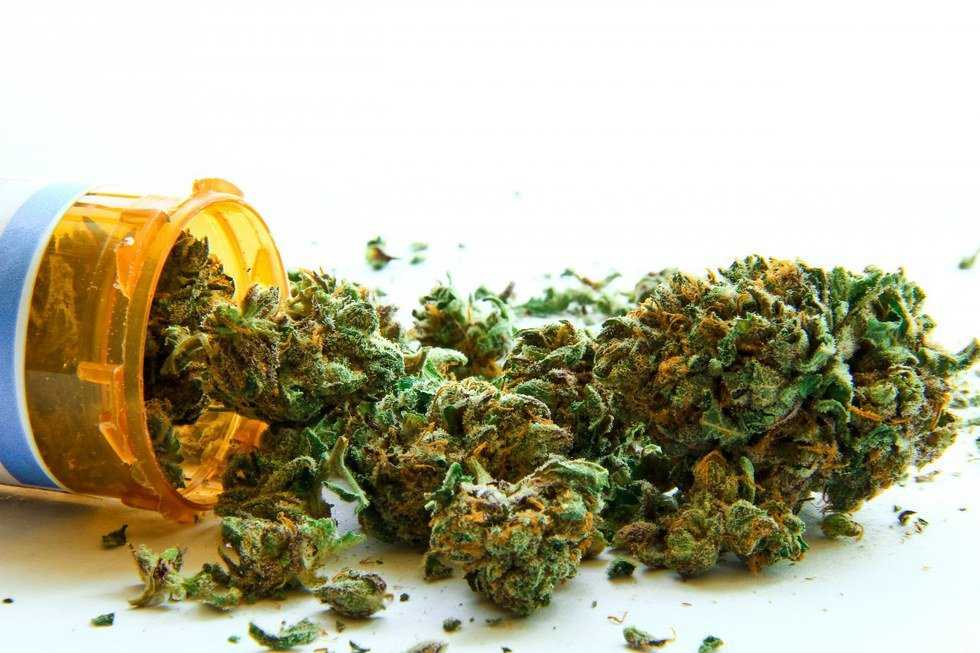
As previously mentioned, cannabis has been used for centuries as an herbal medicine, food source, and for simple medicinal benefits. Current studies have been increasingly recognizing cannabis’ role in healing and playing a part in almost every major physical function of the human body.
In the 1990s, researchers found that endocannabinoids, with receptor sites throughout the body, served at a bio-regulatory mechanism and facilitated in most body functions and systems. CB2 receptors in particular are found in the immune system, especially in the spleen, and are responsible to anti-inflammatory effects and other recently-found beneficial side-effects of cannabis usage.
Recently, scientists have found various components of cannabis that could possibly (and in many cases already do) serve drug-like healing effects, specifically including the central nervous system and the immune system. These active chemical components are called cannabinoids, and are found primarily as THC (delta-9-tetrahydrocannabinol ), and CBD (cannabidiol). Cannabinoid usage for treatment and relief of pain, nausea, vomiting, anxiety, and loss of appetite are some of the most-studied effects from cannabis. These chemicals can be taken by mouth, inhaled, or sprayed under the tongue.
THC is also responsible for creating the majority of the herb’s psychological effects, and has been found as an effective treatment for a number of ailments and symptoms caused already, at least in practice (not- federally-appoved), such as HIV, chemotherapy, chronic pain, PTSD, stroke, and a number of other illnesses and diseases. CBD is also being studied for the same medical benefits but without causing the “high” normally caused by THC.
THC appears to be such a great medical remedy for so many illnesses that a Canada-based company is engineering yeast to produce both THC and CBD relatively efficiently. These synthetic cannabinoids would, like normal, pass from the lungs into the bloodstream and attach to cannabinoid receptors on cell surfaces throughout the body, effecting a combination of memory, thinking, pleasure, and time perception. Note that THC can also impact the brain’s ability to communicate with itself, which could possibly inhibit simple capabilities for the user- such as swinging a baseball bat.
Today more than 15,000 modern peer-reviewed articles on the chemistry and possible medical benefits of cannabis have been published, as well as over 2,000 articles on the body’s endocannabinoids, which are essential for the effects from cannabis. Many controlled studies have been completed, especially in the past four decades, and a 2009 review noted that “nearly all of the 33 published controlled clinical trials conducted in the United States have shown significant and measurable benefits in subjects receiving the treatment.”
Many of these studies have found a huge potential for the effective medical treatment of chronic pain, muscle spasms, and other debilitating conditions and capacity for analgesia though neuroprotection, anti-inflammatory, and other mechanisms. In 2010, the Center For Medical Cannabis Research reported 14 clinical studies were completed, many of which were FDA-approved, double-blind, and placebo-controlled and demonstrated cannabis’ abilities to effectively control pain. Stress, social anxiety, glaucoma, and other illnesses, diseases, and disorders have for the most part been already proven to be cured with various methods of cannabis treatment.
Though cannabis is still recommended as a complimentary or adjunct medicine if anything, there is evidence towards a claim for substantial evidence for therapeutic properties to treat a variety of serious and chronic illnesses, including from the American College of Physicians and experts from the relevant disciplines.