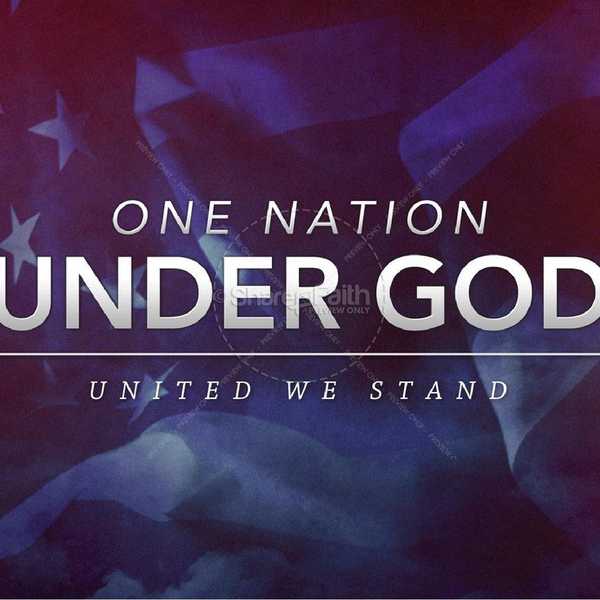
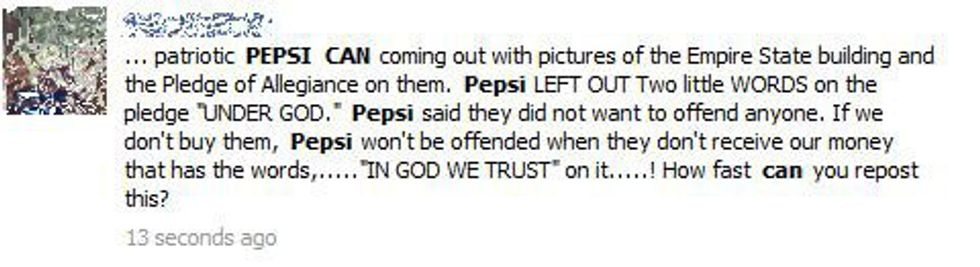
In recent weeks, social media has been in uproar over the infamous “patriotic Pepsi can” and supposed omission of “under God” in its printed Pledge of Allegiance. The call was made for American Christians to essentially boycott Pepsi in order to let our offended voices be heard. This message circulated through emails, Facebook statuses, tweets, and text messages. (No, chain messages are not dead. Share this article or you will have seven years of bad luck.) This hoax dates back to before 2011, resurfaced again in 2013, and again on my Timeline last week. Now, as many of you know, this rumor is just that: a rumor. But, it did seem to light a few sparks, one of which just so happened to make its way to me.
As college students and busy young adults, we don’t catch up on the news or keep up with the latest court rulings nearly as diligently as we should. So, not-so-understandably, a few important rulings have slipped between the cracks. One of which being Michael Newdow’s appeal that challenged “the constitutionality of the words "under God" in the Pledge of Allegiance to the Flag." While this case dates back to 2002, it has been the basis for many court cases led by several American Atheist groups across the nation. The official ruling in Newdow v U.S. was, “In short, I cannot accept the eliding of the simple phrase 'under God' from our Pledge of Allegiance, when it is obvious that its tendency to establish religion in this country or to interfere with the free exercise (or non-exercise) of religion is de minimis.” This court case has since snowballed into repeated and various attempts on behalf of American Atheist to overturn this ruling and remove the name of God from our country altogether.
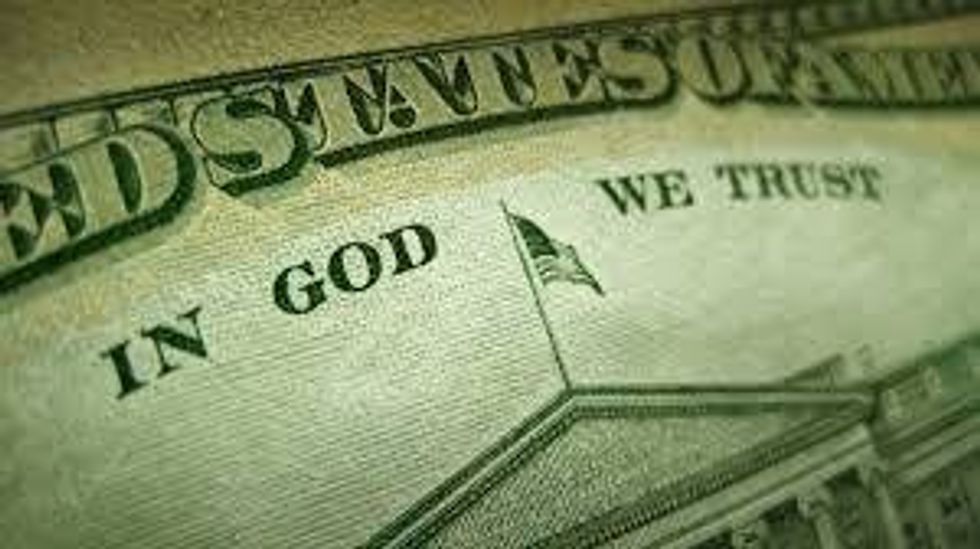
Most recently, the group lost its fight, yet again, to have the words “In God We Trust” removed from U.S Currency in May 2014. American Atheist argued that this forces them "to bear on their persons … a statement that attributes to them personally a perceived falsehood that is the antithesis of the central tenant of their religious system." Contrarily, the panel of judges of the 2nd U.S. Circuit Court of Appeals in New York argued that the Court has long looked at the motto as general statement of optimism and a reference to our country’s heritage. The 2nd Circuit ultimately ruled that they “respectfully disagree that appellants have identified a substantial burden upon their religious practices or beliefs.” Just be glad they didn’t make you carry all of your money around in change, that might be an actual burden.
You see, the problem with this is not Americans presenting their problems to the Court. Nor is it minority vs. majority, or even Christian vs. Atheist. The problem is looking for a problem. The problem is going about our day finding small things that so offend us that we must cause public outrage over nothing. Our problem is, rather than solving our own issues with things, we Americans like to whine and complain and hold out our hand until someone pays us for being inconvenienced. Newsflash, people: being offended is not a job, you do not deserve money for whining, and holding out your hand does not warrant full pockets. I hate to break it to you, America, but being offended is part of living in this free country, where we can say, do, believe, and even take to court whatever we want. And that, my friends, is a privilege. Don’t forget it.