For as long as I can remember, I knew there was something different about me. It started with not liking reading and struggling with math problems as a child. I didn't like reading because it was hard to pronounce and read certain words. Some letters would flip around and turn into other words. In math, it was the same. Numbers would flip and I'd struggle to focus on what was going on.
My teachers noticed my struggles and recommended my parents to take me to psychologists and do a number of reading, writing and hearing tests. I hated those tests. I did not understand why I had to take them. Why did I have to read and pronounce certain words? Why did I have to listen to a recording saying "Point to this" or "Point to that"? And why did it matter how quickly I could read a paragraph? Then, when I was in the seventh grade, I finally got my answer as to why these tests were important, and why I struggled with reading and math.
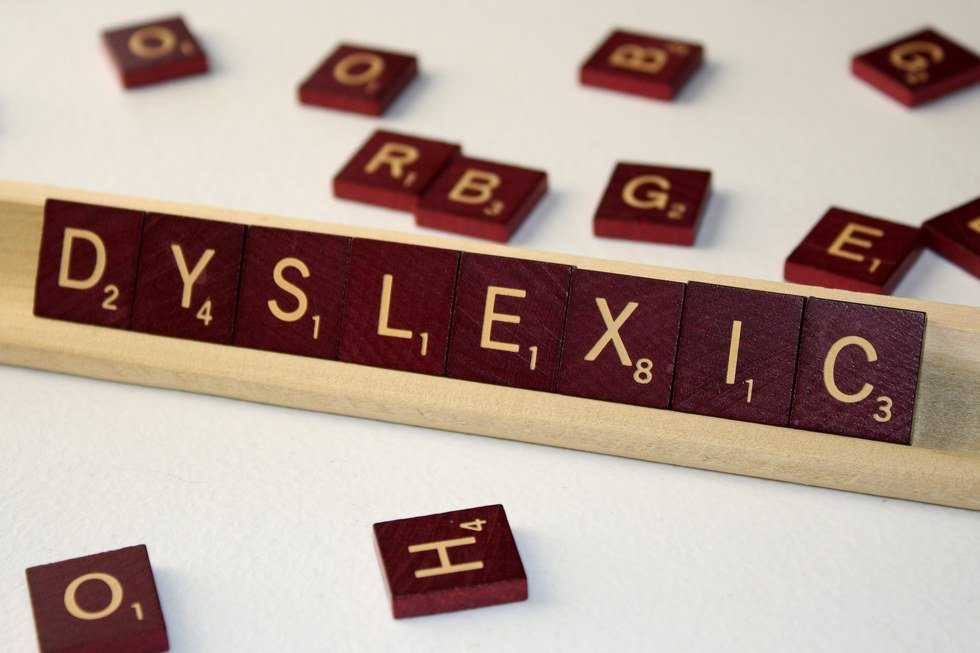
I am dyslexic.
It was a shock at first. I never thought I was learning disabled. I just thought I wasn't smart and that I was never going to do any better than where I was in reading, writing and math. But learning I was dyslexic and that I could use tricks to improve my reading and mathematical skills made me feel better about my situation.
So, what is dyslexia? It's a learning disorder where letters and numbers jump around or flip and become something completely different. For example, "Bad" could turn into "Bab." If you want to experience what it's like to be dyslexic, you can visit this website that will show you exactly what it's like to be dyslexic.
I felt relieved to finally have an answer, but I did not expect what would happen to me following the news that I was learning disabled.
After being labeled "dyslexic," I was put into smaller classes for Math and English that were designed to help students focus on their work and individually give students help if they were struggling with their work. Being in middle school when this happened, there were some pretty mean labels that came with being in a smaller class -- labels like "stupid" or "dumb."
But what most people don't know is that there are some famous, intelligent people who were dyslexic. Thomas Edison, Albert Einstein and Alexander Graham Bell are just a handful of famous people with dyslexia. I beat the labels when I won a contest for script writing in the eighth grade. Along with other winners, our scripts were performed in front of our entire class by professional actors. The actors were the same people who picked the winners for the contest.
After the contest came mini achievements for me in life. In high school I got out of the smaller classes. I even made it into AP English by senior year. I had a high GPA and had received an academic grant upon my acceptance into Monmouth University. In college, I was allowed extended time on tests and quizzes if I felt I needed it. Being dyslexic does have its perks.
While I feel these are great achievements, I still struggle with dyslexia. I used my extended time wisely when math exams were given out, and I take full advantage of the writing center on my campus when I am writing an essay or research paper for a class. I may be dyslexic, but I do not let it stop me from living life or stand in the way of my schoolwork. I wouldn't be where I am today if I had continued to let myself think I was anything less than smart.
To my teachers, parents and friends who helped me and are part of the reason for helping me get to this point in my life, my dyslexia and I thank you. From the bottom of my heart, I truly, sincerely thank you. A special thank you goes out to my eighth grade English teacher, Mrs. Jane Sheehan, who believed in me and gave me the encouragement I needed to do well in school.