


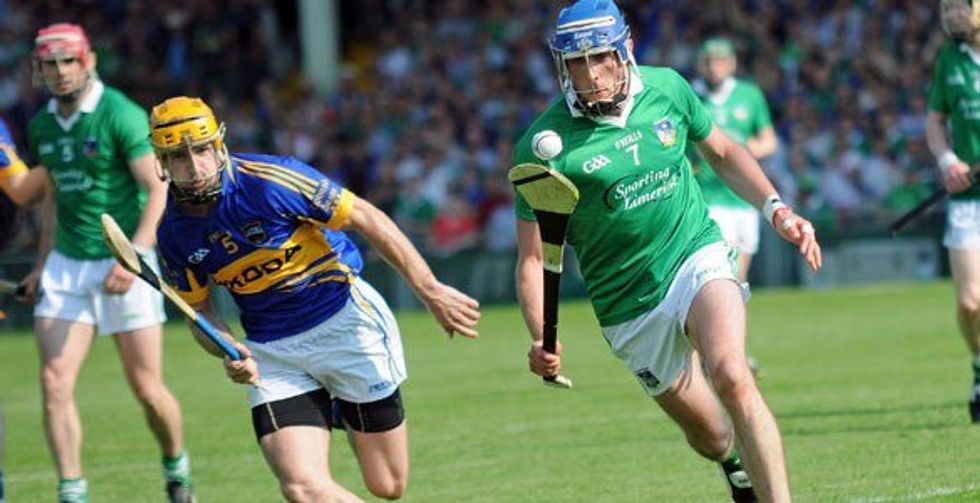
It’s a game not many have heard of, outside of its point of origin, Ireland. It’s fast paced, high scoring, and brutal (and no it's nothing like curling, not in the slightest). The premise of it is archaic. If you gave man a stick (shaped crudely like a wooden ax, called a hurl) and a ball (a sliotar) this would be the game invented.
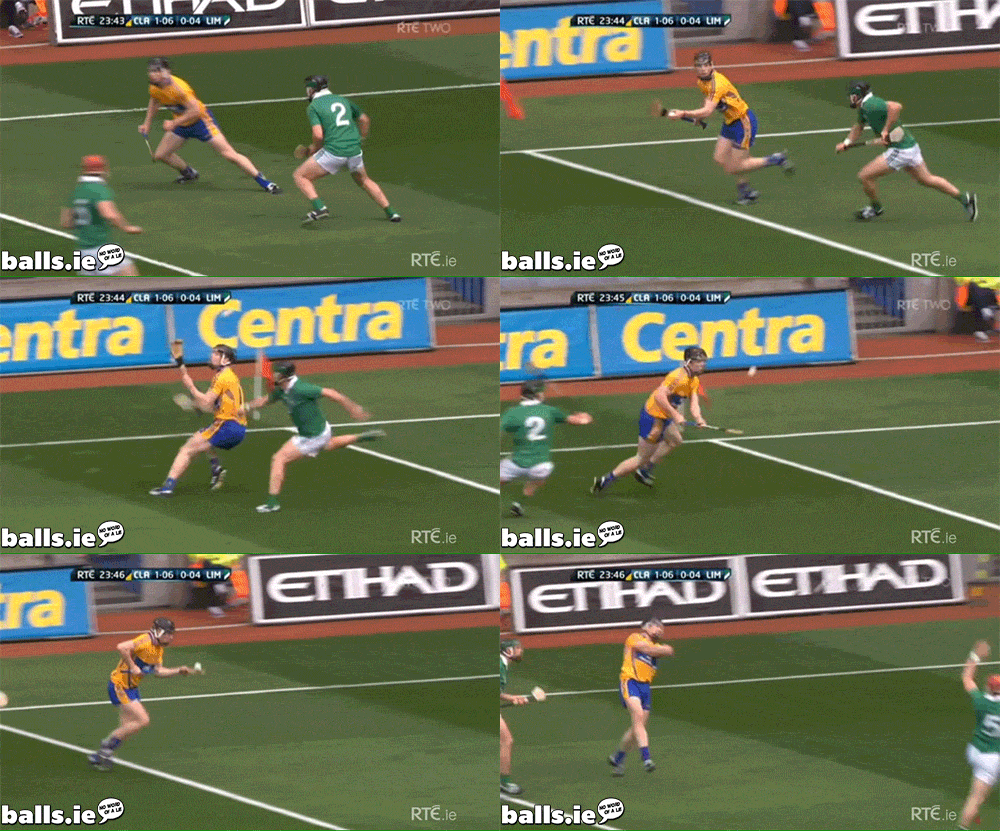
In one package it holds the skills of baseball and soccer, a pace much more hectic than lacrosse, and contact along the lines of rugby. It's 3,000 years old, but its renaissance could be now.
The last four years have seen Hurling, in America, catch on at a collegiate level. Every Memorial Day weekend schools from around the country come to do battle. Among them the Universities of Montana, Stanford, Connecticut, Indiana, and Cal Berkley. The game is catered to the college level athlete. It never slows, it takes skill in dexterity, strength, and willpower. Hurling is much less a sport than it is a war.
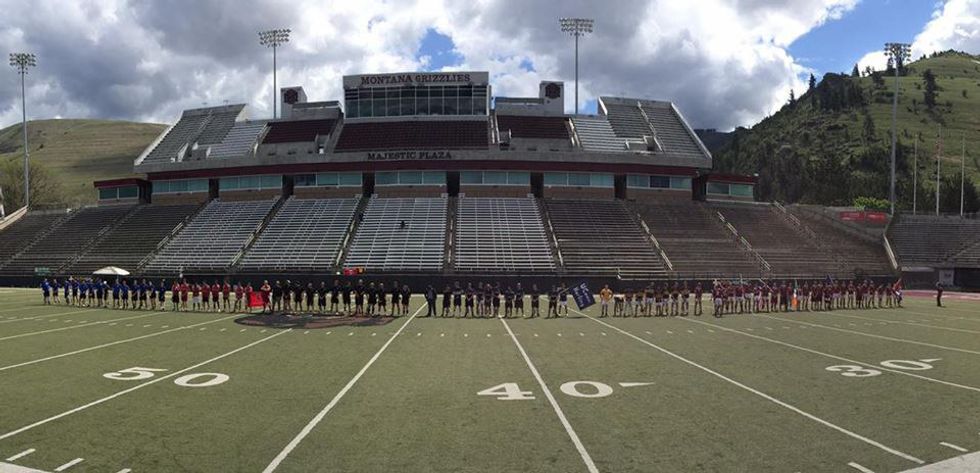
2015 National Collegiate Gaelic Athletic Association in Missoula, Montana
The beauty is in the simplicity.
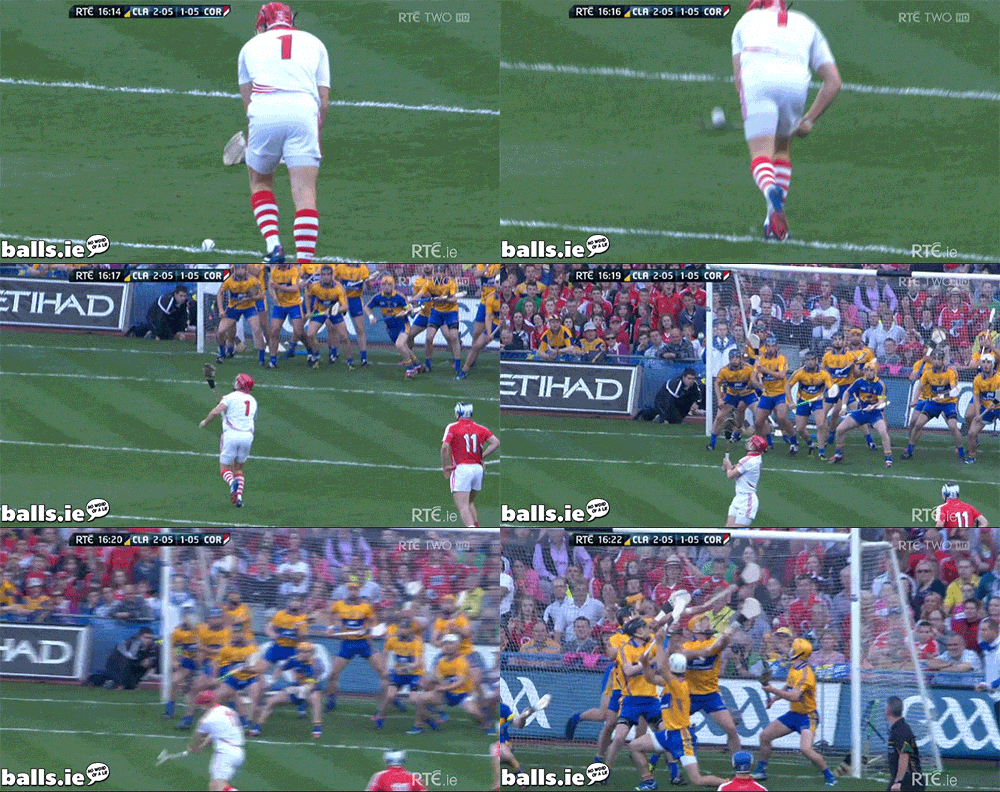
Hurling is a lot like jazz. Free form, plays are created at a blink of an eye or the twitch of a muscle. There is very little rhyme and reason--a lot of it is improvisation, though there a great deal of strategy is caked beneath the initial level of the game. This means it’s chaotic and elegant at the same time. Like any good jazz there are skillful solos of the saxophone (and the hurl), a crescendoing buildup of scoring plays, and percussion like collisions that rattle your very bones.
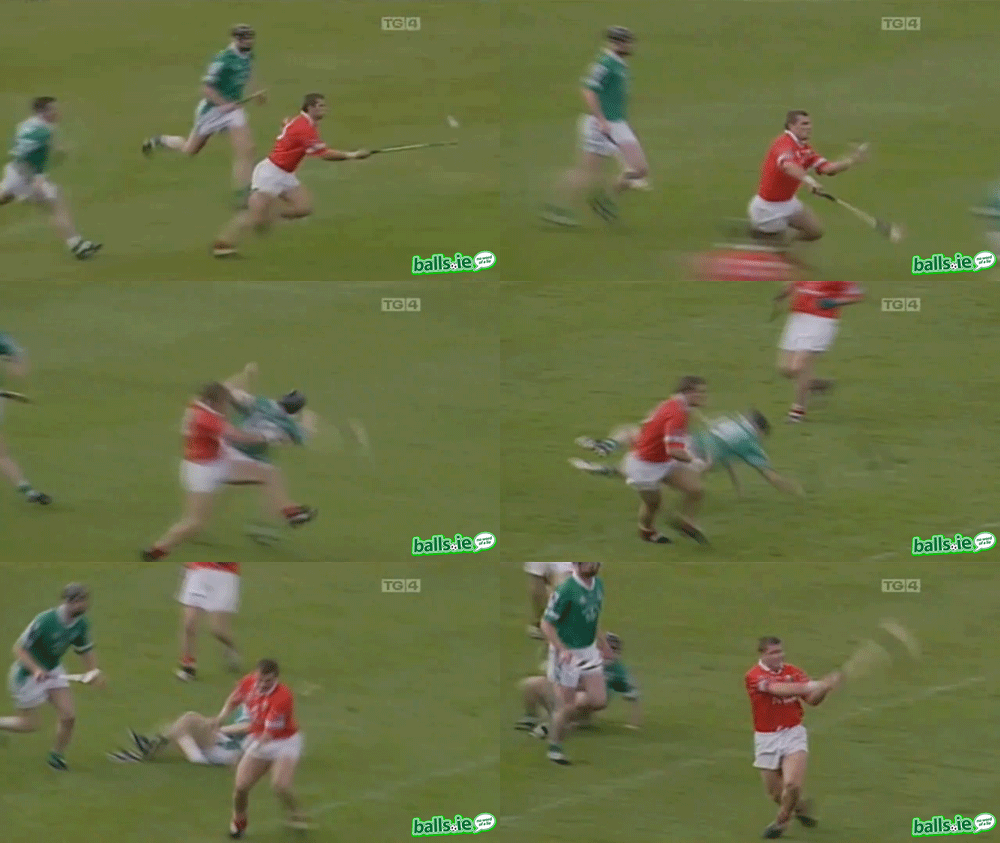
However, the heart of Hurling is what makes it phenomenal.
There is no professional Hurling. That means two things: no one in Ireland gets a salary for the games they play and that they play only for the love of the game and their county. Hurling is unique in this aspect. There is no free agency, there are no trades; you suit up with your neighbors and the people you grew up with. If you’re born in Clare you play for Clare. It turns the competition into less of a means of entertainment and more into a spectacle. To see men and women put their bodies on the line for nothing more than pride and love of the game is what powers hurling to new heights.
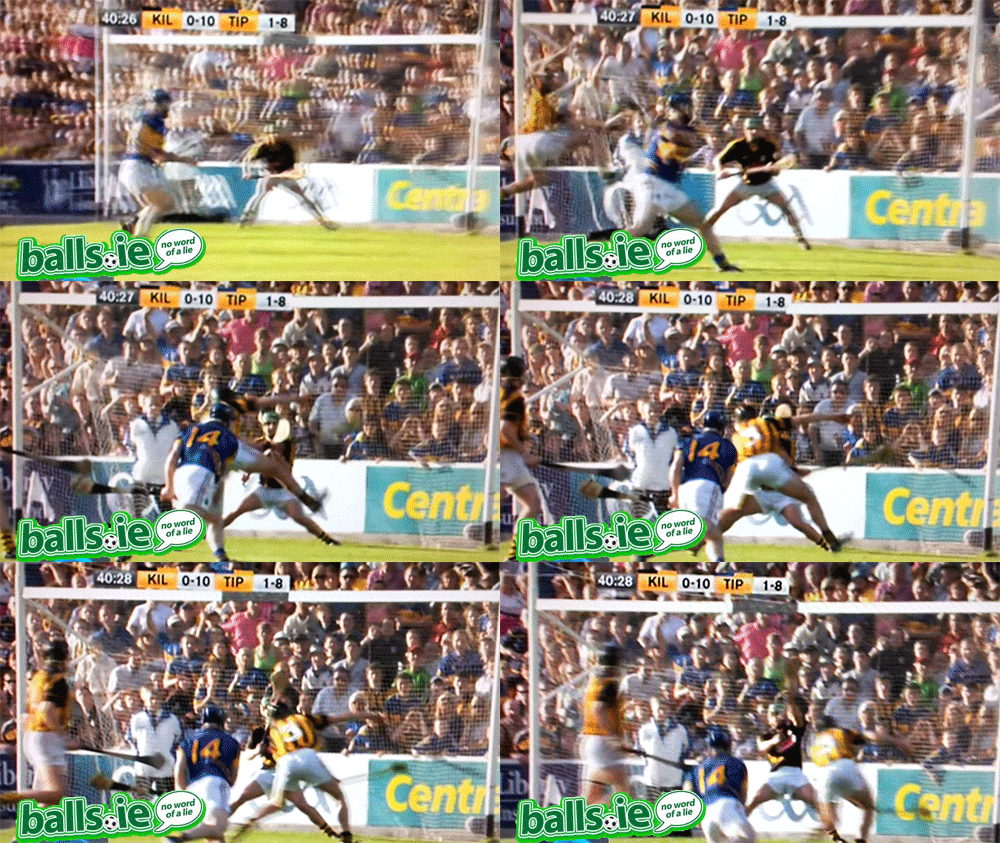
It is competition in the purest of forms.
Perhaps this is why Ireland's hidden treasure has remained so dormant worldwide despite encapsulating the best of other sports. In Ireland every year Croke Park fills to its capacity at 82,000 to sit with bated breath as the sliotar spirals through the air. But the rest of the world, besides a few pockets in the US, sees little in the frenzied passions of the sport, especially when it is hard to monetize, which is a shame really because once you pick up a hurl in play in a game there is no escape. It grips you in a way not much else can. It awakens something archaic in you, driving to the very heart of a competitive person and bringing out their best. But more importantly, it’s just a hell of a lot of fun.
November 22, a form of high level Irish Hurling will come to the US as Dublin and Galway face off at Fenway Park.

















