
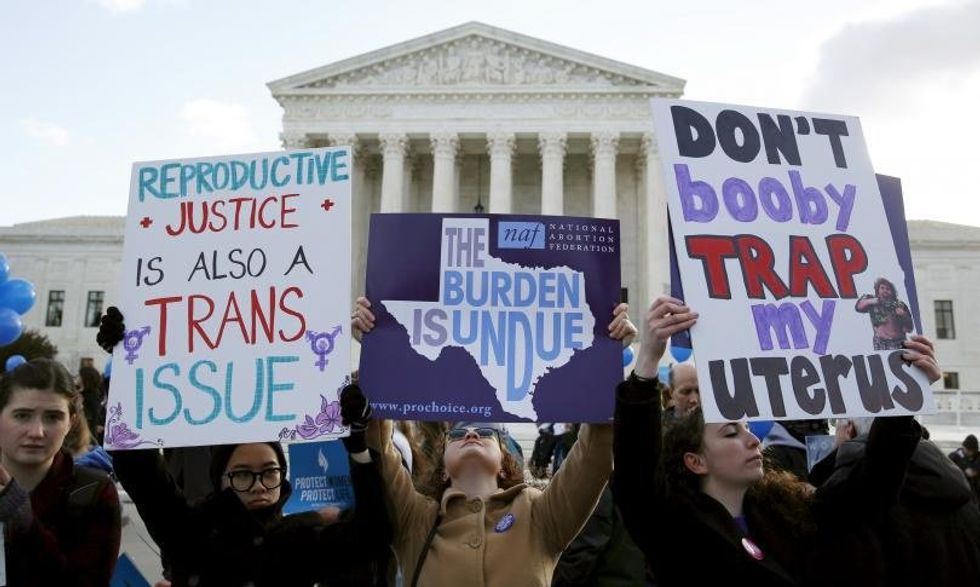
Being pro-choice is not the same as being pro-abortion. Although I am not pro-abortion, I do consider myself to be pro-choice, as I feel it is the constitutional right of women to have the final say in what happens to their own body. This past Tuesday, the Supreme Court felt the same way, declaring a Texas Senate Bill to be unconstitutional.
The bill, that went into effect in early 2013, demanded Texas abortion clinics meet ridiculously high standards of care for their patients. Since the bill went into effect, over half of Texas’ abortion clinics have closed their doors. Although this bill was a huge win for the pro-life movement, it was ultimately short lived. Several other states have similar laws, and some of these laws have been overruled by state courts. For the rest of these states, however, Whole Women’s Health v. Hellerstedt will ultimately carry a tremendous amount of weight.
While this case was the first huge victory for the pro-choice movement in almost 16 years, it was definitely well deserved. The law in Texas interfered with womens' constitutional right to carry out an abortion, a decision that was upheld by the controversial Supreme Court in the 1992 case, Roe v. Wade. Following the decision, Democratic Presidential nominee Hillary Clinton has stated that “The fight isn’t over: the next President has to protect women’s health”.
With the national election coming up in November, the fight is definitely not over, as Clinton stated. While to strong supporters of the pro-life movement it is obvious what this bill is attempting to accomplish, it is less obvious to those voters who do not feel strongly either way, who may feel that stronger health codes are a good idea, without truly realizing what effect this will have on the number of abortion clinics in Texas.
Ultimately, the Supreme Court did not rule in favor of abortions, they ruled in favor of a woman’s right to have control over her own body. Thank you for that.