


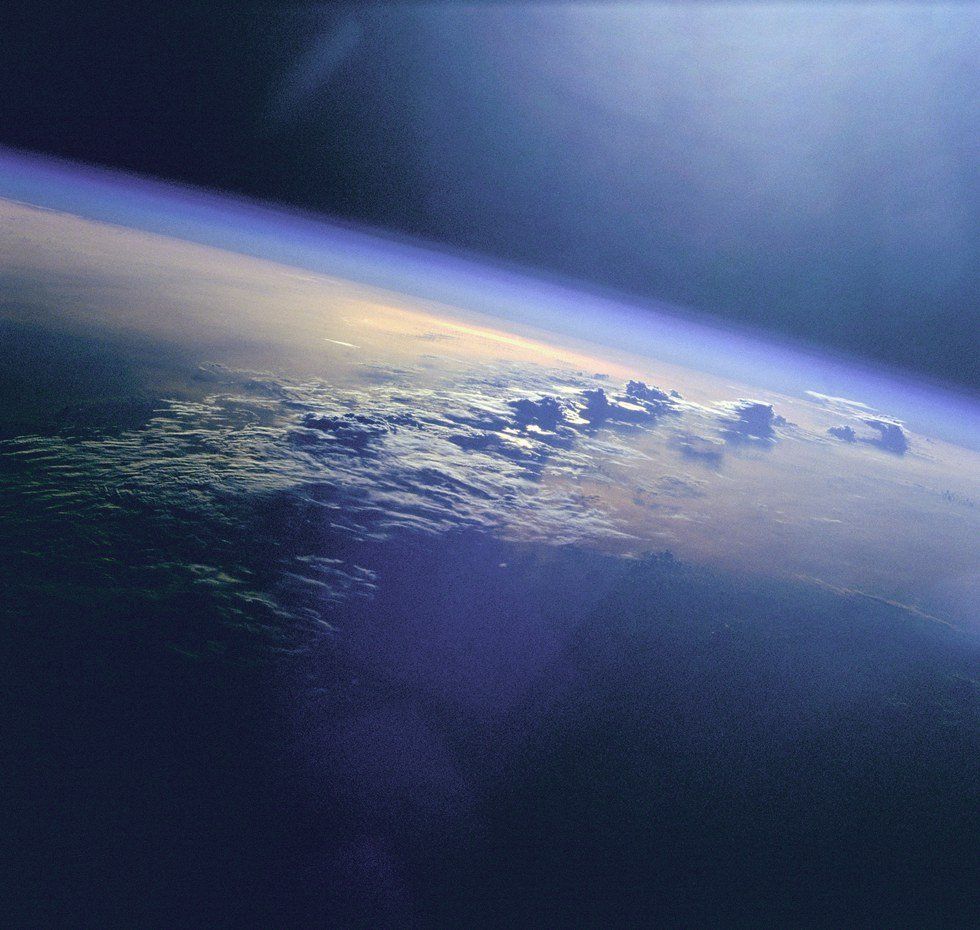
*Disclaimer: I don’t know how to actually save the world.
But what if I told you there was an easy way to save money that would also lessen your impact on the Earth and its limited resources?
We buy many products at excessive prices that we either don’t need or don’t use the full value of. Most industries only exist to make cheap, trendy products that can be sold for maximum profit, ideally for one-time use to ensure that consumers will buy the product again and again.
Paper towels. Bendy straws. Single-serving yogurts. Christmas and birthday decorations. Anything sold in an infomercial, ever. Keurigs and the insidious K-cups which the inventor has publicly regretted ever creating due to the negative ecological impact caused by this expensive, non-recyclable product.
Now I'm not here to shame you for buying stuff you like that serves a purpose in your very busy life. But there is a way to cut out certain items from your spending and/or repurpose the leftovers rather than tossing them in the garbage or recycling bin.
The sad truth about recycling it that it’s hugely wasteful. Recycling is more like an ethical hall-pass to keep using convenient, non-sustainable goods rather than doing any real good for the environment. There is a better way to utilize the products we buy without wasting the resources being allocated to the collection, sorting, sterilization and repurposing of products which shouldn’t be produced in the first place (like K-cups).
This is upcycling: finding a new purpose for a product you already have and might otherwise throw away. Here are a few simple, easy ways to reduce your negative ecological impact and keep your money out of corporate pockets by up-cycling.
1. Glass and plastic containers
If you buy anything that comes in a glass container (plastic can also be used, but it’s better to try to avoid buying those products at all)--keep it! Wash it and reuse (don’t forget to keep the lids).You won't need to buy drinking glasses or Tupperware when you’ve already paid for a perfectly good container that came with your pasta sauce, salsa, juice, etc.
You can do this with cans as well, but you have to be careful because these aren’t re-sealable and are sometimes sharp around the rim. These are good for non-portable containers: to hold plants, pens, beauty supplies, wires for electronics, drawer organizers, etc.
2. Paper towels
Seriously, get rid of your paper towels. Use a regular towel to dry your hands and plates, counters, tools, etc. and to wipe up dust or messes. Paper towels may be reserved for the nastiest of cleanups which you wouldn’t want to put in the laundry.
3. Laundry detergent
Speaking of laundry, try to buy detergent that comes in paper packaging and is biodegradable. Things like detergent, Draino, bleach, commercial cleaners, etc. that go down the drain end up seeping into the aquifer, poisoning our natural, potable water sources and destroying plant and animal life. There are lots of easy recipes for homemade laundry detergent as well. And think about this: if you can smell something, that means it left a residue. Personally I would rather not wear clothes full of soapy chemicals that my skin and lungs will absorb.
If you must buy the big plastic bottle of Tide, try to reuse the bottle: cut it and turn it into a watering can, a container to wash produce (to remove wax and other surface-level chemicals meant to improve the appearance of food; use three parts water to one part vinegar and soak for 10 minutes for hard produce, a few minutes for soft produce like berries), for storage, etc.
4. Razors
In addition to being a completely pointless, time-consuming, commercially lucrative, physically unhealthy habit which is dependent upon a socially-constructed aversion to body and facial hair, there are no truly non-animal tested razors available that I know of on the market. Save time, money, your skin and someone else’s skin by skipping this barbarous beauty routine.
5. Other beauty products
This brings me to a multibillion-dollar industry that exists for the sole purpose of bullying us into buying their stuff that we don’t need. Also, those expensive, department store or name brand lotions, potions and hoodoo that keep you sparkly and happy? They are sold at ridiculous markups and, in addition to being almost chemically identical to generic drug store products, contain substances that create the illusion of solving your problem (for example, dry skin) while exacerbating the cause of the symptoms.
A perfect example of this is Chap Stick, also known by its street name: Crack Stick. If Chap Stick really worked they would run out of customers; it’s in their best interest to create a product which keeps you hooked rather than healthy.
The same is true for almost every other hair and skin product available. Additionally, these products come in non-sustainable packaging and are filled with non-natural products. A general rule for beauty products is that if you wouldn’t eat it, you probably shouldn’t put it on your skin. It’s our largest and most vulnerable organ, so be gentle.
6. Fashion
The fashion industry is another wasteful and exploitative industry which generates billions of dollars every year. In the United States, 85% of textiles produced this year will end up in a landfill. Do your wallet and the environment a favor and buy second-hand clothes.
If you’re too good for Salvation Army, Goodwill or other similar business (which are just as unethical as other corporations such as Forever 21, but facilitate the reuse rather than waste of textiles so I’m advocating for them here), there are plenty of locally owned, groovy consignment shops in your neighborhood where you can exchange the clothes you don’t want for cash or cool new stuff.
Of course there are some products that just can’t be bought second-hand. Underwear and socks come to mind. However, we often make these purchases based on branding.
Let me tell you a secret: the underwear at Victoria’s Secret and the underwear at Walmart are made with the exact same materials, by the same prison and sweatshop labor. The only difference is marketing and price. You do the math.
I’m not saying don’t use any these products because we live in a society that is saturated with unethical necessities, but be critically aware of them and try to squeeze every bit of use from them that you can. You already bought it, why not use it beyond its intended purpose? Get creative; you know your needs and desires better than any manufacturer or marketing intern out there.
We all know we need to do something about the eminent threats we face today: global warming, pollution, deforestation, overpopulation, under-consumption, political and economic corruption, in addition to the physical, emotional and spiritual toll of living in a society which values our ability to create profit for corporations over any of our other talents or aspirations for ourselves or our world.
Our bargaining power within the system as individuals is very small; but if many people make a few simple changes, over time the impact of our collective conservation will be felt on a global scale and the market will reflect the changes in our spending and consumption.
If you feel bad, don’t—I’m famous for making my friends feel bad for eating individually-packaged granola bars. Please, get a water. Have a snack. Support local businesses and buy what you need to—key word: need. But don’t feel powerless. Our problems can’t be solved over night; we’re hippies, not genies. But you can save money, the earth and your health at the same time with a little effort and new ways of thinking. Remember: a dollar is a vote—don’t give it to the bad guys.

















