


How many times have you chopped vegetables for soup and just thrown out the stalks afterward? Or blown your nose and thrown the tissue in the trash? The thing is, these steps are only contributing to the excess waste that has taken over landfills around the world. In fact, every person produces an estimated 4.28 pounds of trash per day. Now, picture how that large amount of trash is contributing to our planet's decreasing lifetime.
There is good news. You can eliminate trash from your life. By going zero waste, or even minimal waste, you can make a huge difference in the 1,562.2 pounds of waste you're currently producing per year. By choosing minimal waste, you as an individual can make an impact through these five simple stages known as the five Rs.
1. Refuse.
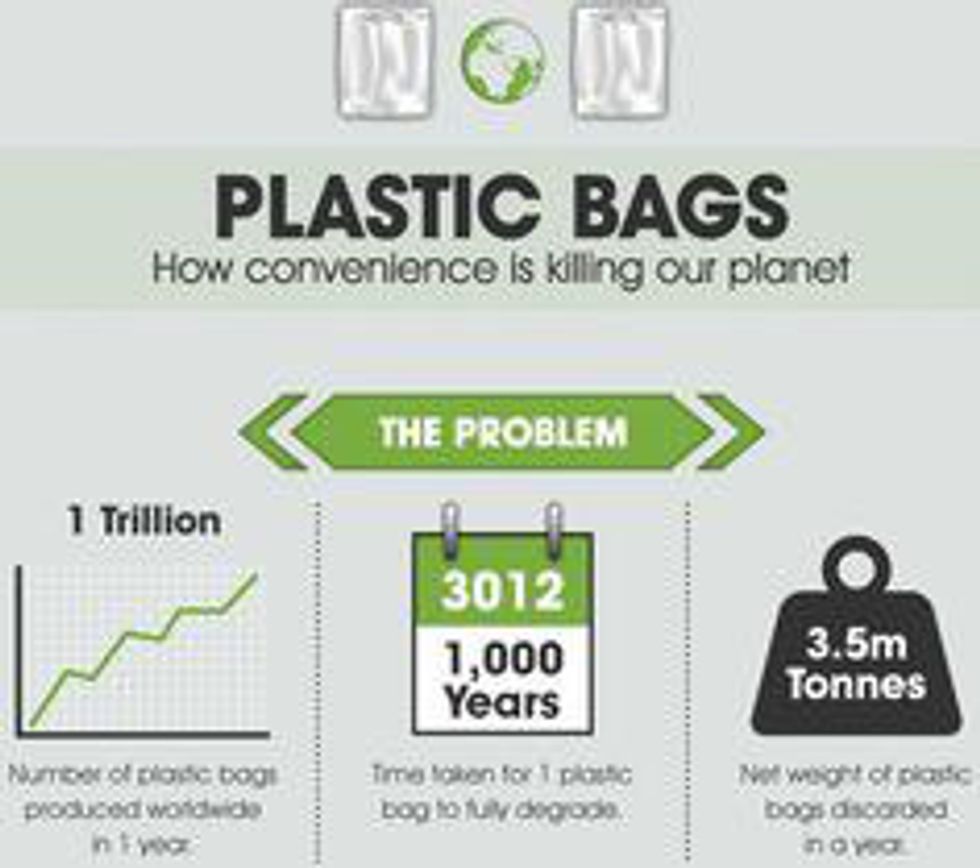
There are multiple items in your life right now that are unnecessary to your survival. Start looking into your purchases and daily consumption and decide what can and cannot be forgone, then put it into action. It hurts, but it also helps. The first step to minimal waste is eliminating packaging, unless completely necessary, such as birth control or prescription toothpaste.
One big refusal you can begin now would be paper products, individually packaged foods, like popcorn, applesauce, or yogurt, and toiletries. Honestly, you don't need paper towels, use dish towels. Same goes for napkins, use cloth napkins. Buy popcorn kernels in bulk and pop your own in the same amount of time for less money. You can also buy yogurt and applesauce in large containers and dole out servings into individual eco friendly Tupperware. Toiletries are honestly the easiest change, stop washing your hair. Not only is it bad for your hair to eliminate your natural oils through harsh shampoos, but it's expensive. Making your own is even better than the harsh store bought brands, and while you're at it, toothpaste involves six ingredients for a mason jar of fun, do it. Lastly, Q-tips -- just don't do it. You'll thank me later.
2. Reduce.
Whatever you cannot refuse, reduce your consumption. If Pop Tarts are your guilty pleasure, start making them yourself. Same goes for cleaning supplies, toothpaste and shampoo, and everyday meals. Frozen and pre-made food comes with a lot of packaging, so make your food fresh. Vegetables are hardly ever packaged and make for some healthy lifestyle changes.
There's also the aspect of clothing. The majority of people in the United States have clothing that just sits in their closets, unused, until you eventually discard it. Instead, do a closet purge every three to six months and when you have a pile of clothing you're done using, donate it. There are so many domestic abuse and other shelters that are always looking for clothing donations. Plus, it's tax deductible if that matters to you.
Another great rule to help so you don't overload on clothing is to have an one to five rule. How it works is that for every one piece of clothing you purchase, you donate five you already have. This not only helps reduce, but it essentially recycles the clothing as well.
Reducing your meat and dairy consumption is another huge aspect of being more environmentally friendly. Make your own almond milk and save containers and the planet. Eliminate some to all meat and dairy products and live a healthier, guilt free life. Peta even has a free vegan starter kit for new vegans.
Lastly, reducing your water usage should be a top priority. Wash your hands on cold, wash your laundry on cold, take shortened showers, turn off the faucet when washing dishes or brushing your teeth. Water is wasted everywhere, so it's best to cut down as much as possible.
3. Reuse.
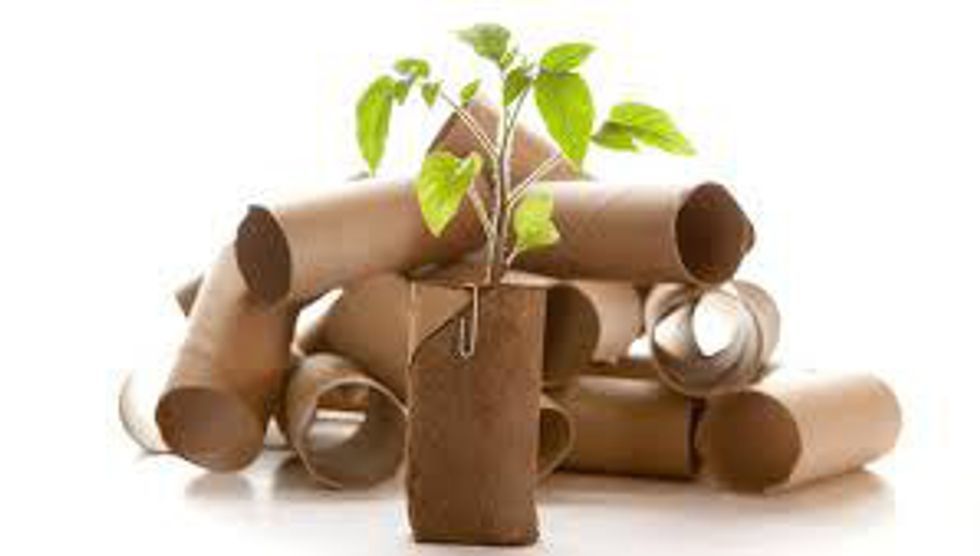
Whatever cannot be refused or reduced can be reused. The empty soda bottle can be cut into a planter. The milk container can become a watering jug. The possibilities are endless. The most important thing here is to have an open mind, every object that you use can be re-purposed to help your household in some way, you just have to figure it out. Also, Pinterest.
4. Recycle.
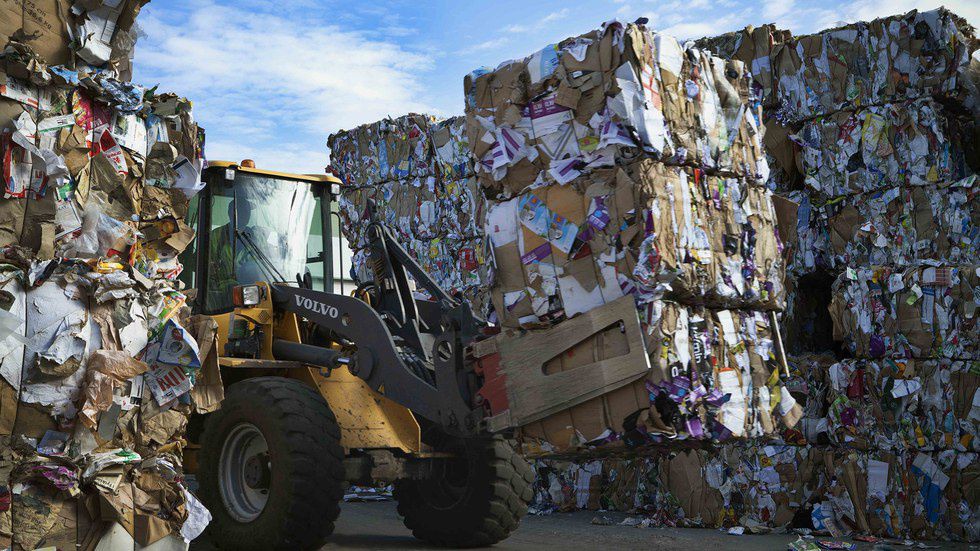
On the other hand, recycle everything you can, from yogurt containers to cereal boxes, recycling will always trump landfills. It is also a good idea if you are going to buy a packaged product to check beforehand and make sure that it's recyclable. Not everything is what it seems and if you don't check, you may end up home with just another landfill contributor disguised as almond milk.
5. Rot.
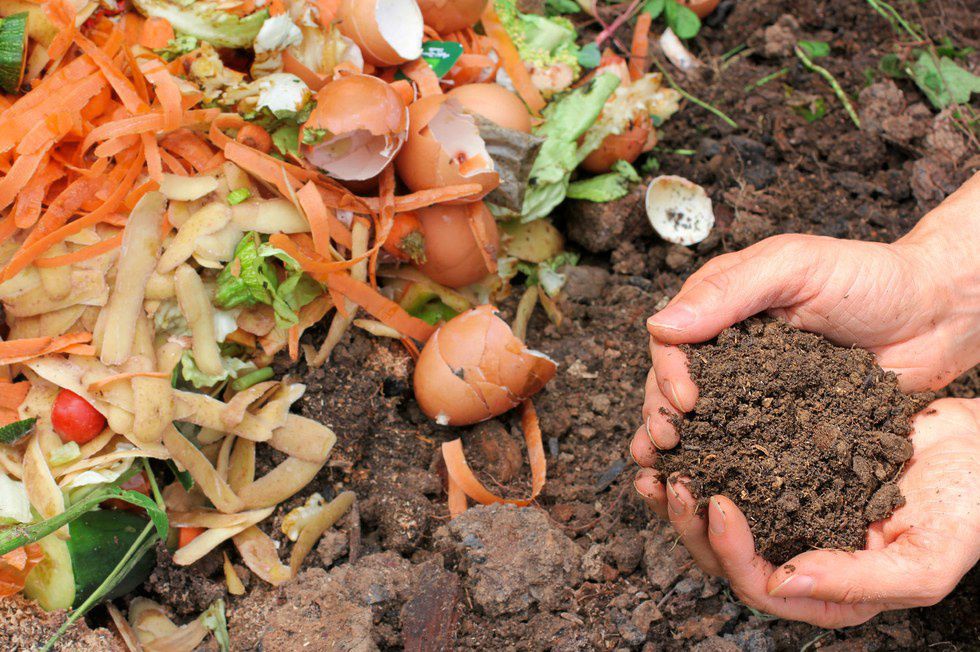
Those vegetable stalks and tissues we talked about before? Compost, or rot, them. Composting re-purposes to provide healthy soil for use in gardening, farming, and more. It's also extremely easy and convenient, and chances are, even if you live on campus, your school may have a composting area and options for student use. SUNY Geneseo is one of many colleges that offer the glorious option of composting to their students in an effort to cut down on harmful environmental waste. The Office of Sustainability runs composting workshops to improve upon waste reduction on campus, and they are also in the process of going between residence halls to teach on campus students the glory of composting. As if this program alone wouldn't provide unending happiness to any student environmentalist endless happiness, there has also been development on an incoming E-Garden and recently Geneseo earned status as a tree campus USA.