

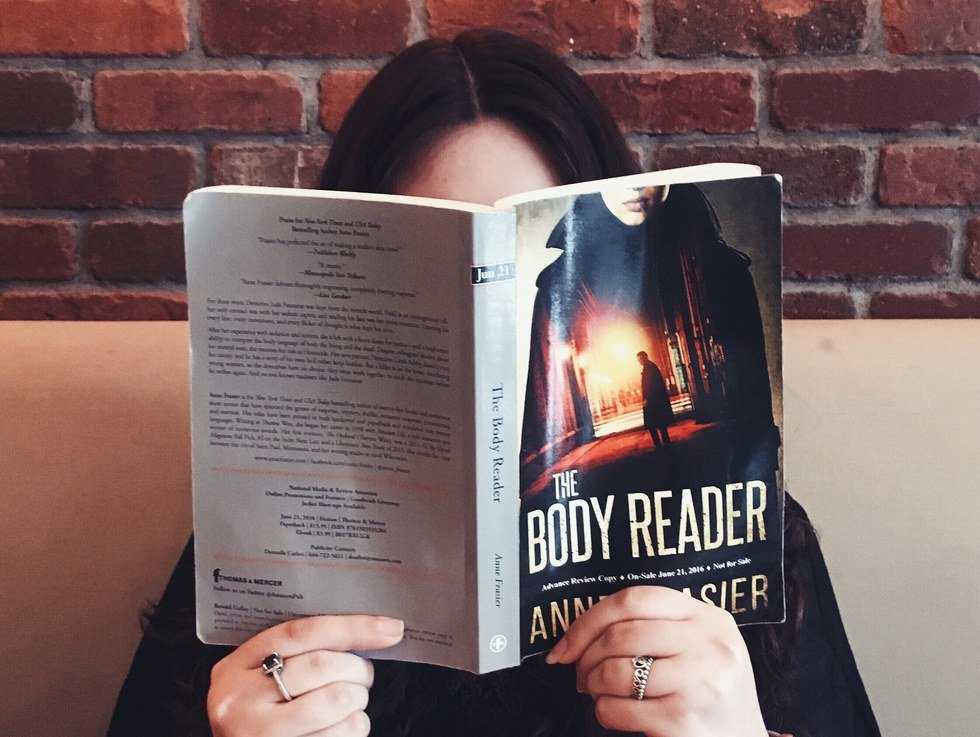
This summer I’ve had the privilege of doing an internship at a publicity firm called Wunderkind PR: a place that expands an authors’ audiences and helps to grow their careers. My experience thus far has been incredibly rewarding and I’m loving every minute of it! The people I work with are wonderful and I’m learning so many new things about the world of publicity and books. One of my favorite parts about this internship is that we get to work with published authors, all of which are unique individuals and talented writers.
Aside from doing this internship, I write my own articles, edit other articles, and compose newsletters on a weekly basis for my Odyssey team (which I love just as much)! I also try to maintain the social life of a typical college student who's home on her summer break. But sometimes, I fear that I’ll run out of topics to write about during the summer. How can I force myself to sit down and write when I’m so tempted to go out and feel the sunshine wash against my pasty skin? How can I stay focused while I’m ready to bolt out the door and sink my tiny toes into the sand of the beach? When my friends want to go on our annual summer adventures together, how am I supposed to choose battling my writer’s-block over making plans with them? And with such a hectic summer schedule, how can I find time to remain complacent and write meaningful prose or poetry? During the fall and spring semesters, writing is my world. I love to get lost within myself as I explore the endless possibilities that a blank page filling up with with words has to offer. But now that summer has arrived (and my motivation is running astray), I’m afraid that my words will get lost at sea as I float away into a carefree summer bliss.
All of these questions and thoughts have been swirling around like unfiltered, overly-chlorinated pool water in my head. But I decided to ask for these much-needed answers from some of the best people I could think of—the incredible authors we work with at Wunderkind. And their answers about their own writing-methods during the summertime has immediately put my worried mind at ease.
Authors advice on writing during the summer:
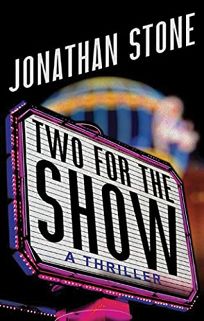
Jonathan Stone, author of his newest Mystery/Thriller novel: "TWO FOR THE SHOW"
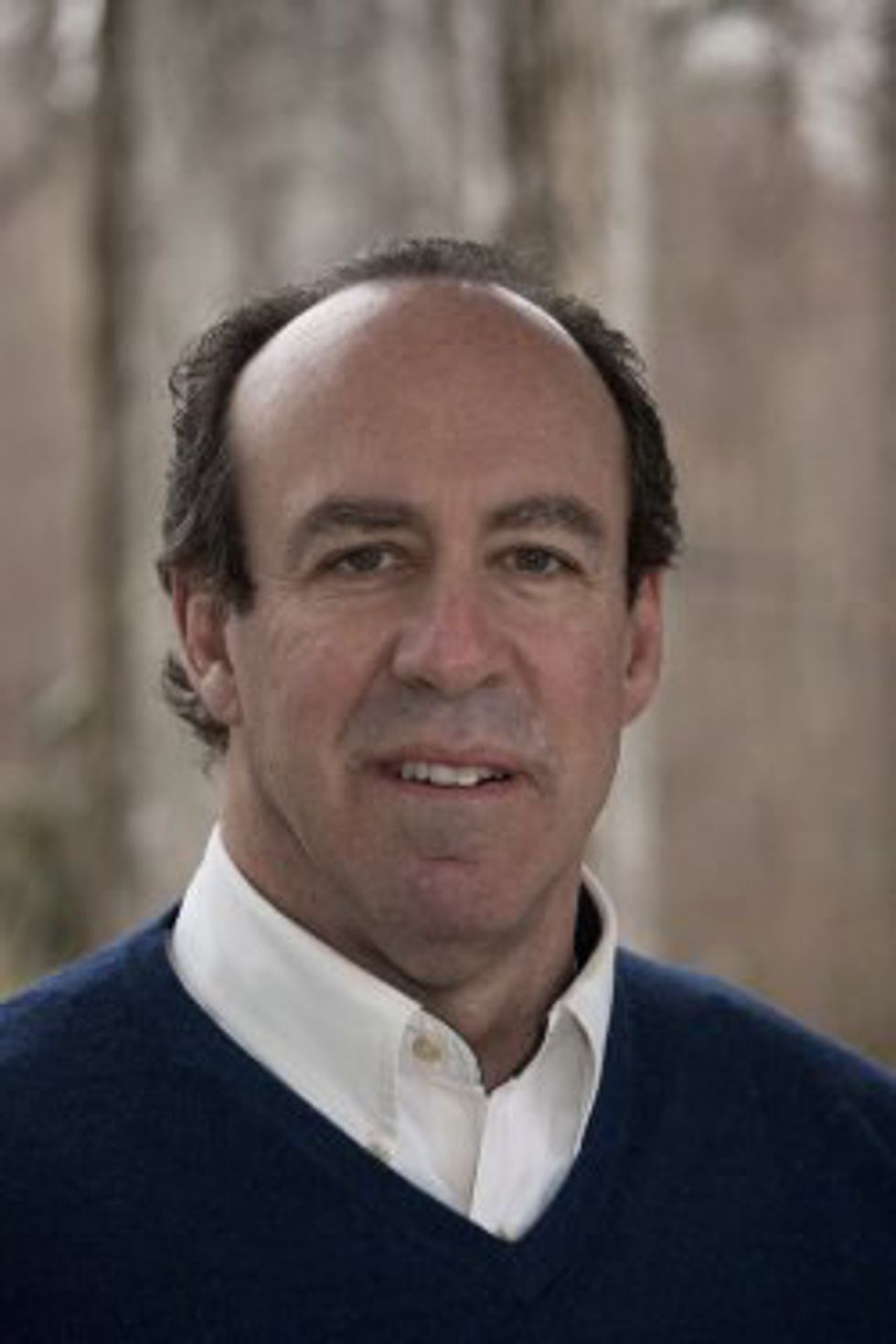
“I hope that this summer, you’re liberated from your routine. And if in fact you don’t have to rush out in the morning to get to work or to class, I hereby order you to lie there in bed like a lazy dog. And grab your writing tablet or iPad or your laptop. Because those first minutes you’re awake can be magical for generating ideas, seemingly out of nowhere. They come unbidden, half-formed before your mind starts its censoring process.
Whatever comes, jot it down. You can always go back to it and shape it later. You’ve already noticed how some of your best ideas come to you in the shower, or on a long drive – in short, when you’re not explicitly thinking about your writing. Well, that’s why there’s a whole season devoted to best ideas. It’s called Summer.”
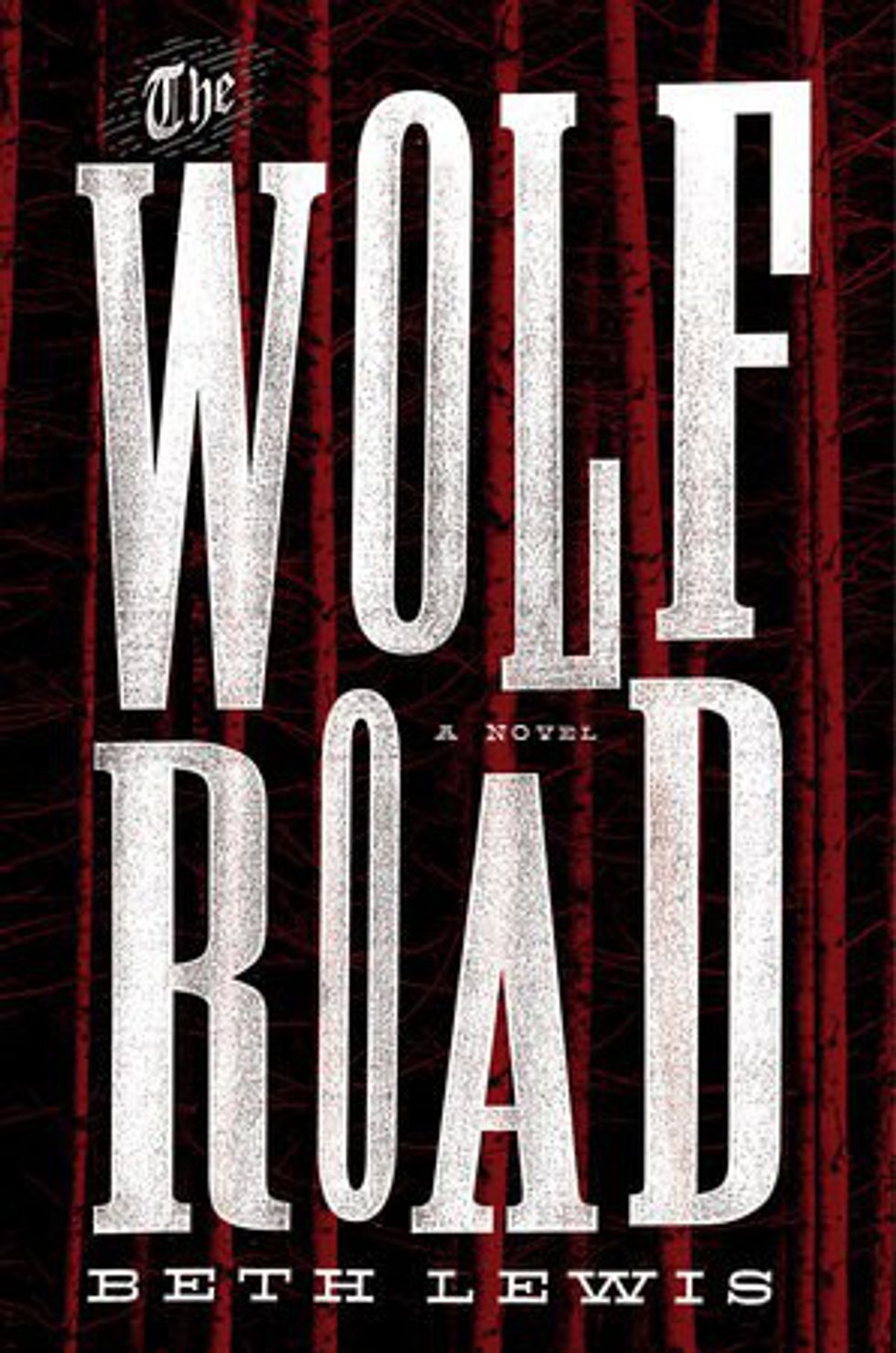
Beth Lewis, author of her debut Mystery/Thriller novel: "THE WOLF ROAD"

“One way to keep your writing sharp is to keep doing it, regardless of the time of year. I don’t see seasons anymore, holidays aren’t truly relaxing, and there is no real time off, even if I’m not actively writing. If you’re unable to get to a laptop or a pen and notebook over the summer then keep your eyes and your mind wide open. Watch and listen to people – all types of people – soak it all in and commit their movements, mannerisms, rhythms and tone of voice to memory. Be open to new experiences, do things you would never normally do and be receptive and reflective on those experiences. This will help shape your stories, create believable characters and give them real motivations and interactions. These are your tools and, even in downtime, you need to keep them sharp.”
Stephen Baxter, co-author with Alastair Reynolds of their newest Science Fiction novel: "THE MEDUSA CHRONICLES"

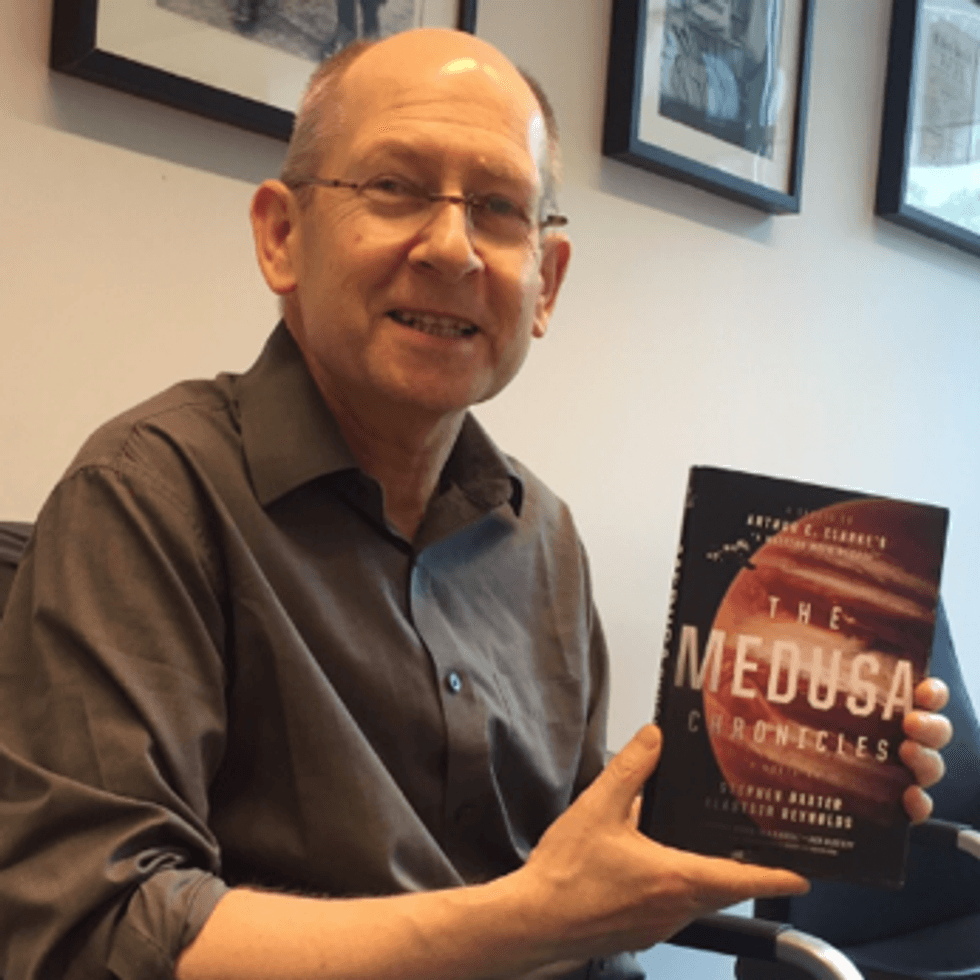 “So you have free time over the summer? No, you don’t. For a writer, free time = writing time.
Here’s an exercise: try to come up with a short story idea every day of your vacation.
Yep, every day.
Where can you find ideas? From everywhere and anywhere. For example, I once watched a BBC natural history TV program, about creatures living in rushing rivers: just hanging on, catching stuff being washed down from upstream. So what if humans were stranded in a similar situation? I imagined primitive colonies, clinging to rock faces. To get a plot, I asked what I think of as the Hollywood question: Who’s it hurting? My answer was: the person who let’s go, and is washed downstream, unable - ever - to return. This evolved into my story ‘Downstream’ (published in my anthology Traces). All from a half-watched TV show.
Not every idea will turn into a story. But then, tennis ace Boris Becker once said he had to hit a million tennis balls before he hit the ball that won Wimbledon.
Get out there, and start swinging that racquet.”
Anne Frasier, author of her newest Mystery/Thriller novel: "THE BODY READER"


“A few years ago I started a small (twenty-five members) focus-oriented online writing group. We hold virtual camps, state our goals, and report our daily accomplishments. Some members have small goals, such as simply writing ten minutes a day. Others have daily/weekly word-count goals or broader project goals. This method works well for us.
I used to suspect our high success rate was driven by guilt and accountability, but a recent study by independent researchers Teresa Amabile and Steven J. Kramer draws another conclusion I think makes more sense. They found the act of writing down or reporting accomplishments actually changes the brain, strengthening neural pathways and enhancing dopamine regulation. Accomplishment—achieving a goal—feels good!”
K. Eason, author of her newest Historical Fantasy novel: "ENEMY"


“Habits of Mind. My day (night, and weekend) job is a university composition instructor, which means you know what I'm going to say. You need to write. But writing is hard, it means sitting down, and it’s summer. I know. But here's the thing about writing: it's as much about thinking clearly and with detail (process) as it is about physically putting words in order (product). So set that last bit aside, and work on the first. Find something you want to say and then think it out: choose and organize the words in your head. Think the actual words. Hear them in your head, or say them out loud, or record them on your phone. Maybe you write it later, maybe you don't. Maybe you just let it go and think about the next thing. Make composition into a habit (like exercise), and the writing will follow.”
Kat Howard, author of her newest Science Fiction/Fantasy novel: "ROSES AND ROT"


“Summer is a great season for writing. The warmer weather and longer days give opportunities to take your laptop or notebook outside. Sit in the sun with a cool drink or a popsicle, and enjoy the time to relax and think while you write. Summer can also bring a change of scenery. Instead of sitting at your desk, write at the beach, while camping, on vacation. Whether it’s a day off, or a long weekend getaway, changing the setting in which you write can often help give you a new insight into your writing, or offer a fresh perspective. And remember that it is okay to take a break if you need it – to fully embrace summer vacation, and come back to your writing refreshed in the fall.”
I would like to thank these wonderful authors for answering my big question on how an aspiring young writer like me can keep her writing sharp during downtime and the summer season. I'm so lucky I get to have such positive people to inspire me! And for all of you writers out there who are struggling to keep up with your writing during the sweetness of summer, I hope you find their advice just as helpful as I do!
With love, by Ari.