



Having a panic or anxiety disorder can be difficult. Being the loved one of someone who suffers from these mental illnesses can also be difficult. Watching someone you love struggle to function properly and knowing that you can do nothing to help is tough. However, as the loved ones of a person in need, there are a few key things that will show your support, love, and understanding. Panic and anxiety disorders will never be easy for the people who suffer from them or for those who observe them, but the following list of tips may help alleviate some of that pain on both ends.
1. Stay calm
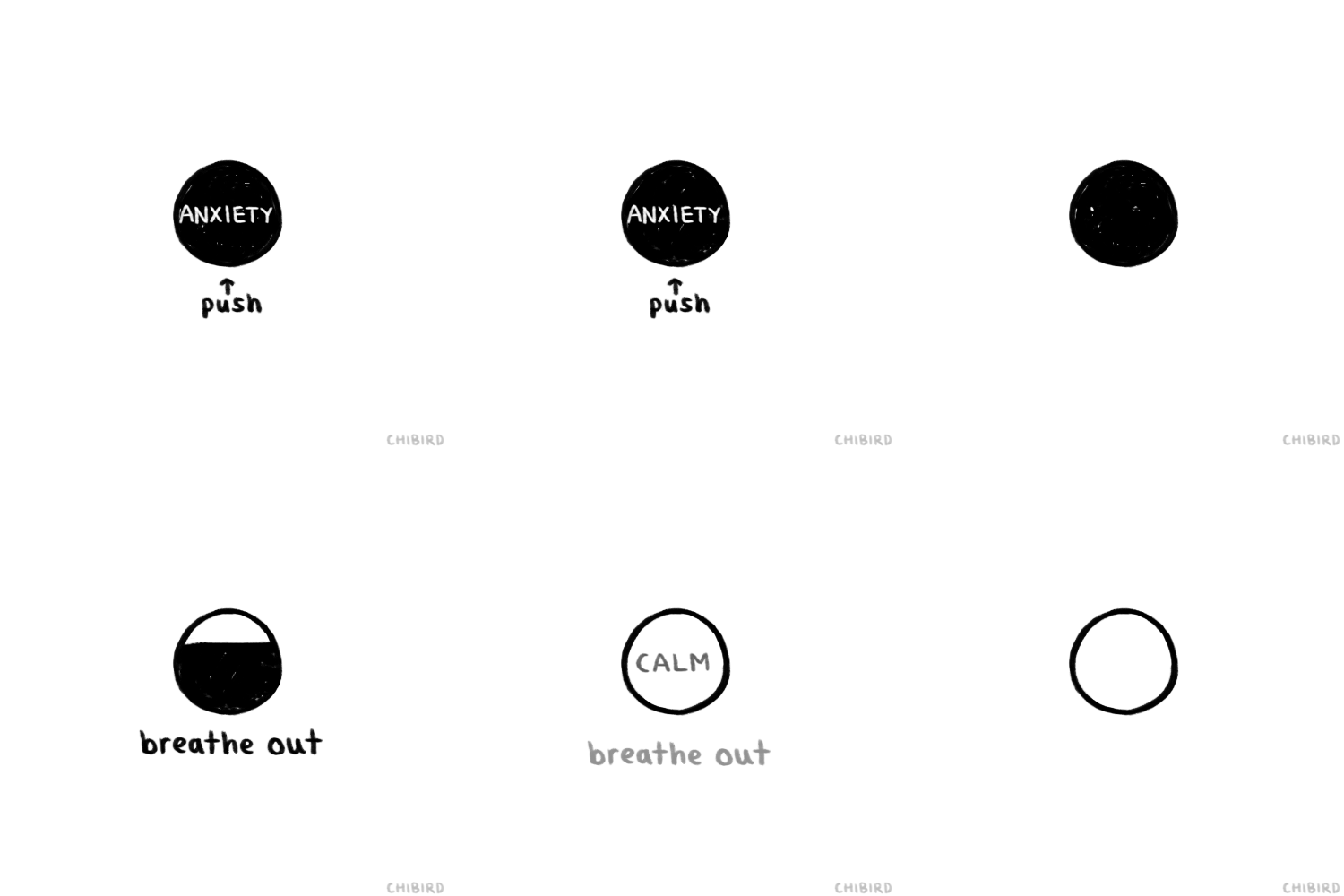
The only thing that could make a panic attack worse is watching someone panic in response to your own panic. Breath and try to remember what you can do to help. This can be difficult, some symptoms of panic attacks include vomiting, hyperventilating, and the inability to speak. Try to recognize the signs of a panic attack as soon as you can and help without freaking out (on the outside, at least).
2. Offer to help find their medication if they take it

Those with panic disorders usually have medications such as Ativan or Xanax to help stop panic attacks. In the trows of a panic attack, however, it could be difficult for some to remember that they have this assistance. Offer to help find and assist them in taking the pills if they desire. If, for whatever reason, they do not want to take the pills, let them work it out on their own. However, it never hurts to offer.
3. Take them to a place where they are comfortable

If you are with a friend at a party and they have a panic attack, try to guide them to a bathroom or a quite bedroom to have them collect themselves, or leave the party entirely. Keeping the person panicking in a public place could make a panic attack more severe.
4. Hold a simple conversation with them

Ask if they want water or physical contact like a hug. Do not make your sentences complex or ask questions that require much thought to answer. In a panic attack, the person suffering has tunnel vision that purely focuses on panic and fear. Attempting a normal conversation may prompt more panic at their inability to participate.
5. Avoid surprises

Keep the conversation topics, locations and physical contact comfortable for them. New thing or people could prompt more panic. What is known usually offers a degree of comfort. When in doubt, keep to routine.
6. Prompt them to do simple physical movement

Remind them that they are safe in their own body, and have control over that at the very least, Ask them if they feel okay enough to raise their arms over their head or clasp their hands together. When they begin to calm, suggest that they walk around the room.
7. Breathing exercises
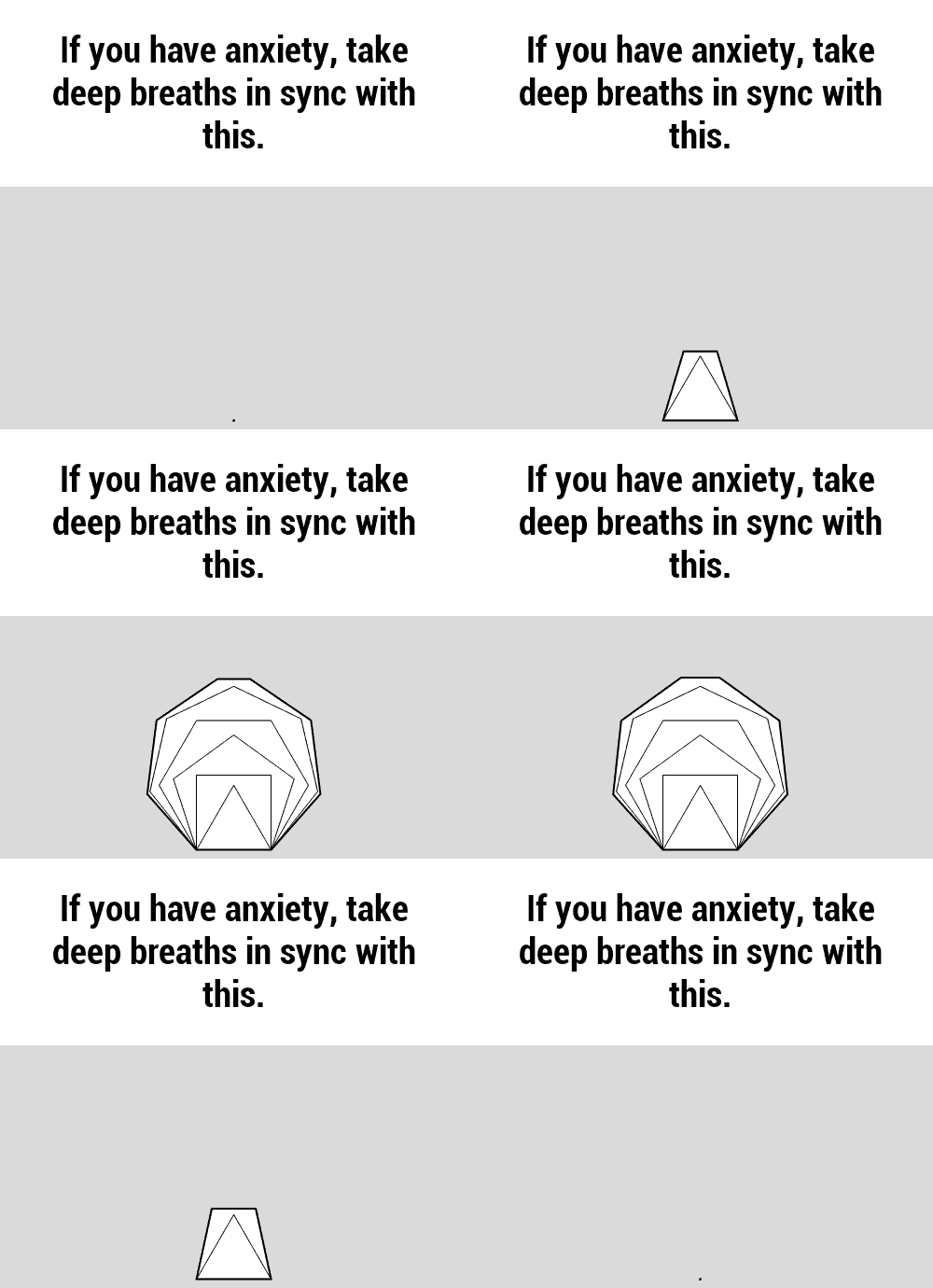
Breath slowly with your loved one. Long, deep breaths stabilize the heart and mind. If you breath carefully and fully enough for enough time, you can trick your body into forgetting its panic.
8. Avoid guilt-tripping

When the panic attack is over, make them feel comfortable with coming to you for help in the future. Do not complain that you missed a part of a party while helping them, for example. Statements such as that instill guilt into the minds of your loved ones with panic disorders and will make them not see you as a stable and reliable resource to help them in the future.













