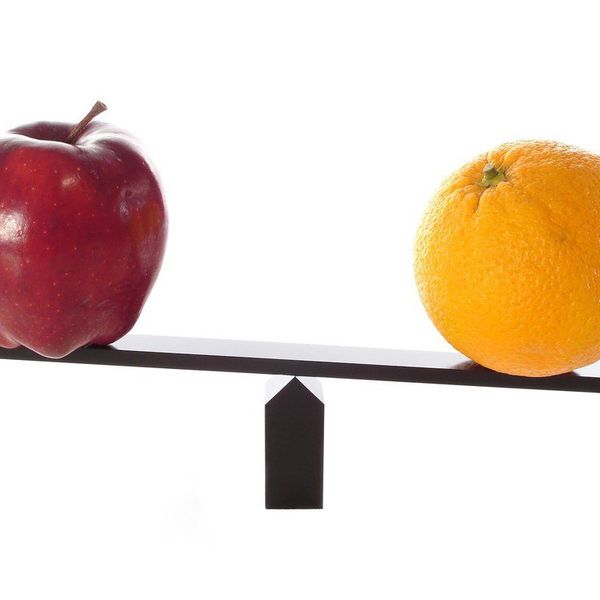


We live in a culture of comparison. We look at people on billboards, magazines, television screens, and on our Instagram feed. We see a small sliver of the good in someone else's life and we assume that their whole life must be as perfect as it's publicly portrayed. The rich and famous must be content because we're content with the assumption that money and power and influence are in direct correlation with happiness. We live in the culture of not enough. We are hypnotized by flashy advertisements with words like "new" and "improved." We don't want but we need the next big thing. The current model becomes outdated and out of trend and out of stock and it's not ever enough. How can we teach our children how to be happy with themselves when the world around them tells them that there is always someone who is better and what they have is not enough?
Happiness is acceptance. I have always known this statement to be true, but I have not always interpreted the words in the same way. When I was 12, I learned what it meant to be unhappy with myself. I saw what I should be and what I should have on commercials and social media. The materialism consumed me and sent me on a chase for happiness through acceptance. I searched for happiness by attempting to be liked by others because surely, if others liked me, I could be permitted to like myself too. I spent the ages 12 through 17 thinking not of what would bring me spiritual contentment but rather what would grant me temporary social acceptance. I only wore was was trending and I only liked the things that everyone else liked. Being unique was too risky, so being a carbon copy was the safest option for acceptance.
As I previously stated, happiness is acceptance. However, my initial interpretation of these words was incredibly wrong. Happiness is acceptance of self. True happiness can only come from within. It comes from the realization that every single person is uniquely beautiful and there is no such thing as a "flaw." The word "flaw" implies that there is a greater image to compare oneself to, but the societal image of perfection is constantly changing and never real.
Theodore Roosevelt once said that "comparison is the thief of joy," and I wholeheartedly agree. We can only find joy when we stop looking to the exterior world and start looking within. Over the years, I've become aware of the poison that is comparison. Each person has anomalies and divergent qualities. I used to believe that the unusual should be hidden and corrected to conform when, in reality, these are the things that make us truly beautiful.