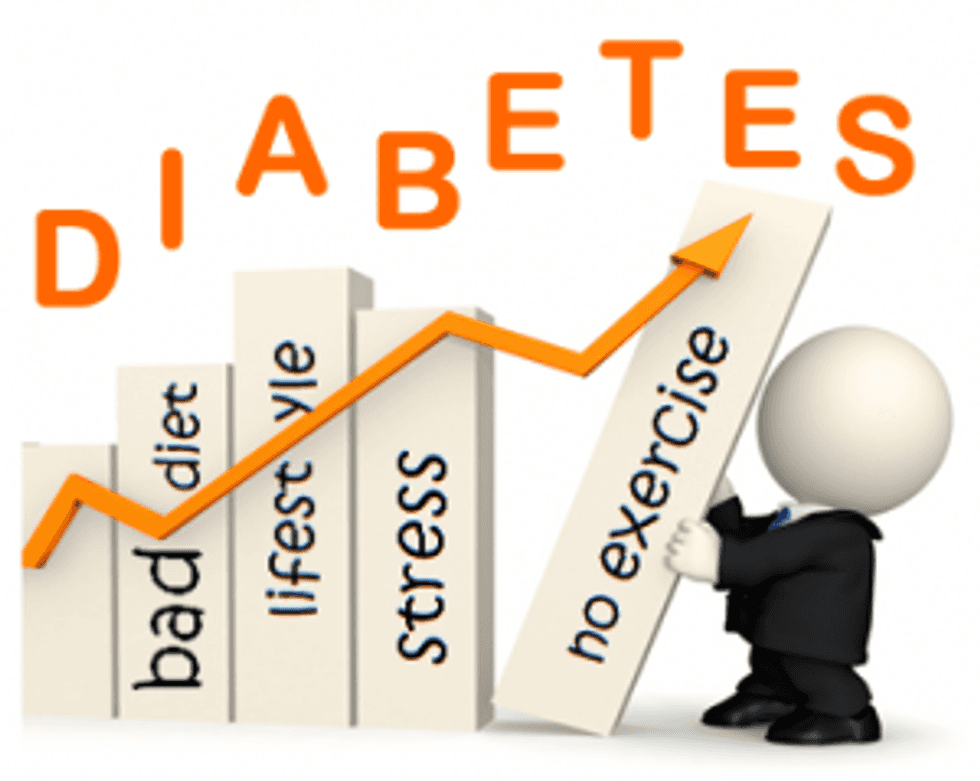
Article Reviewed: “Very High-Calorie Diets Show How Overeating May Lead to Diabetes”
Food can be either the best remedy for sickness or the worst poison. A high-calorie, high-fat diet can have severe consequences on the human body. This was proven through a recent study in which several men consumed 6,000 calories per day for one week. Their diet consisted of foods high in fat, such as fast-food products or unhealthy snacks. Participants were also confined to hospital beds to prevent them from having any physical activity. A healthy sedentary man in the age range of 30 to 50 years should consume about 2,200 calories daily, therefore, the participants in this study had a calorie intake that was almost three times the amount of an average adult male. By the end of the study, each of the participants had gained an average of 8 pounds.
Although the results of the study showed the influence of fatty foods and calorie intake on weight control, the main purpose was to support the idea that an unhealthy diet can be a precursor to insulin resistance, or a “pre-diabetic” state. This means that insulin is able to be produced, but cannot be used efficiently. Pre-diabetes is different than Type II Diabetes in that the body's blood sugar or glucose levels are higher than normal, but not enough to be diagnosed with Type II Diabetes. The human body becomes insulin resistant when there is an influx of fatty acids and cellular stress or inflammation.
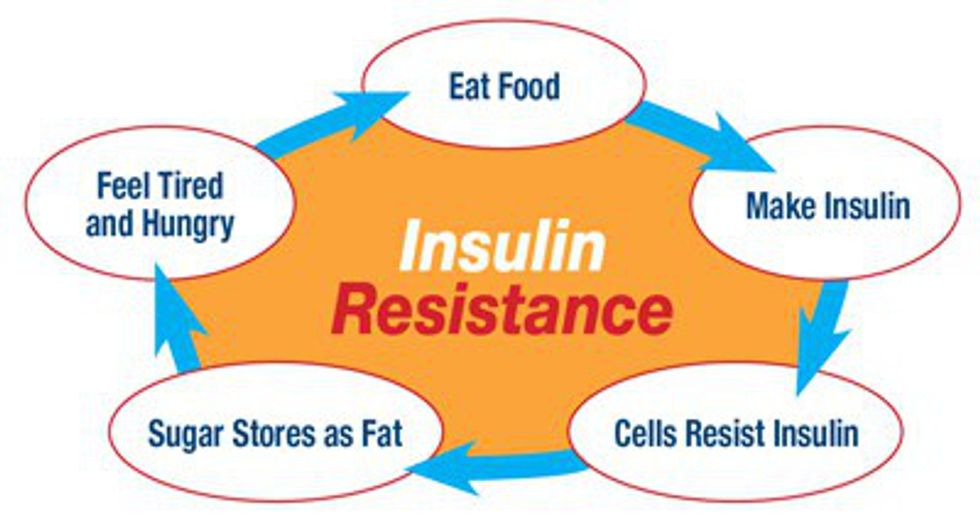
Excessive eating can cause the body’s cells to experience oxidative stress, resulting in the overproduction of oxygen byproducts, which are toxic to the cells. This oxidative stress experienced by the cells was proven by analyzing each of the participants’ urine and fat tissue. This stress altered the glucose transporter protein, GLUT4, which inhibited its ability to take up glucose in response to insulin.
A diet consisting mainly of fatty foods may also result in a decreased rate of insulin produced by the pancreas. The lower levels of insulin produced may cause an individual to become insulin deficient. Furthermore, those who have not altered their lifestyle to become healthier and have experienced the pre-diabetic state for a more prolonged period of time can develop more serious medical conditions, such as Type II Diabetes.
Source: Healthday.com, Mary Elizabeth Dallas