
Moving on looked so effortless on other people. “You just have to let it go,” a relative advised, “It happened but it’s no longer happening.” Everyone around me mastered this technique while I was still stuck behind a church, in the corner of a school bathroom or in the body of an 83-pound girl. I could leave these places for a short while but they were always situated in unexpected experiences, ready to twist my hand and pull me back into their memories. These memories became like people with their own personalities and permanency. How can you escape what created you? Even more importantly, I ask myself how I can forgive who and what did the creating.
Forgiveness used to look like a magic wand you’d wave over the problem. The dragon would settle and the hero would walk away a foot taller and entirely impenetrable. In my own experience, the dragon was more like a gust of wind. It was a floating, untouchable entity that shivered my body and angered my heart. I couldn’t confront it because it mostly sat inside of me. Personally, I’d rather battle the dragon than myself.
I saw through the facade and realized that this entity represented another person, an event and sometimes myself. This realization led me to a conclusion: I have a real choice about whether or not I want to continue living with them. When I made my decision to evict these toxic beings, I was confronted with another problem. How exactly does one forgive?
My first measure was to examine what needed to be forgiven. I implore you to do this with all of the compassion you are able to muster. When I sat down with these beings and listened to what they had to say, their shape took a different form. I’ve seen my oppressor turn into a victim. I saw their humanity and their child within. I recognized that they were not what they did to me.
Please, don’t misunderstand me when I say this. I am not expecting anyone to completely disassociate with the significant events in your life because I know there would be very little reason for this. These occurrences formed the person you are today and no amount of forgiveness will undo that. What you’re actually doing through forgiveness is expanding on that creation of self, except this time you are the one doing the molding.
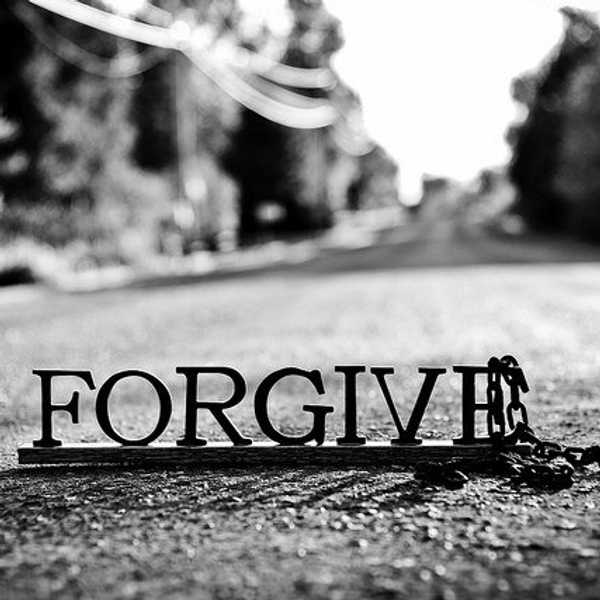
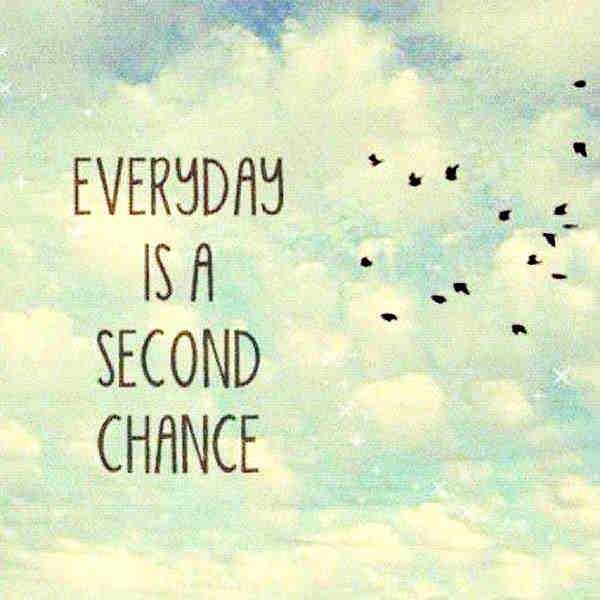
After I analyzed the person or event, I had to find a way to understand what it means to forgive. The path to conceptualizing forgiveness was long and messy. Every time I thought I had forgiven someone or something I found myself once again smothered by its presence. Eventually, I began to notice that this wasn’t a one-time deal. Forgiveness is a lifelong process. Every moment that fills your heart with anger and sadness will be another opportunity to practice. After each time you repeat this process, you will notice how your body becomes a little lighter. Your clenched teeth relax and the heaviness of guilt and anger subsides. A part of peace is accessible through forgiveness.
During your next run in with anger, sadness or guilt, I ask you to remember your ability to choose. Lift its fingers off your heart and allow yourself to breathe. You don’t have to do this for anyone else but you. You don’t have to forget or stop recognizing what happened to you and who did it. You don’t have to choose this every single time the pain provokes you. However, if you want to find peace, you have to learn to forgive.