


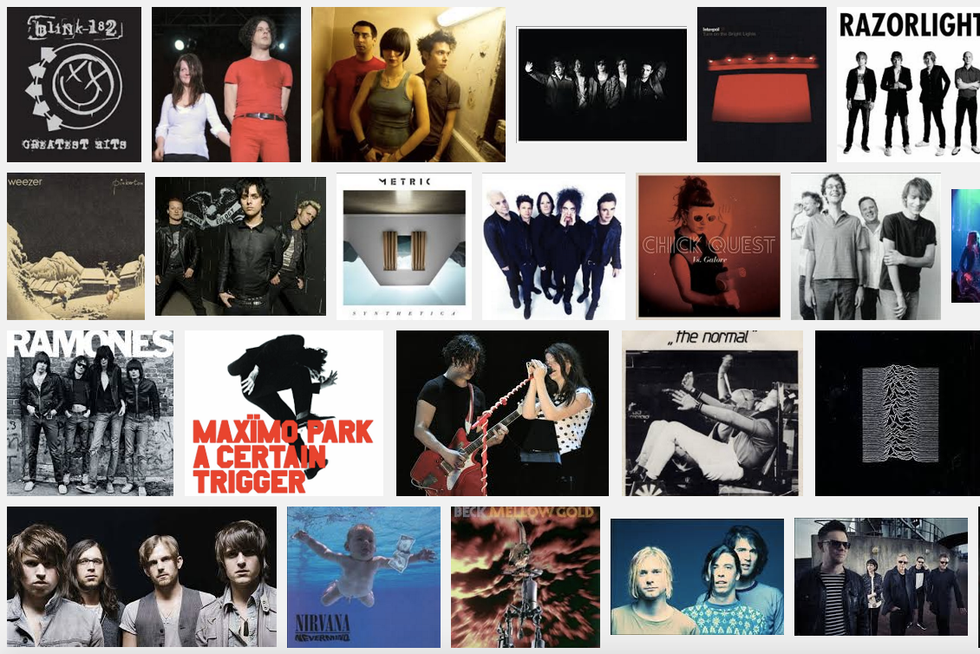
If you've ever sung or danced along to a song with a fast guitar part and loud vocals, chances are good that it had roots in punk rock. Punk music, known for its high-energy and aggression, is a fairly malleable genre. While the true punk movement was relatively short-lived, it has continued to inspire a wide range of genres of punk-like music up to the present day. Below is a selection of songs and subgenres that owe themselves to punk. Go here for a full youtube playlist!
1. Proto-Punk (early 1960s to mid-1970s)
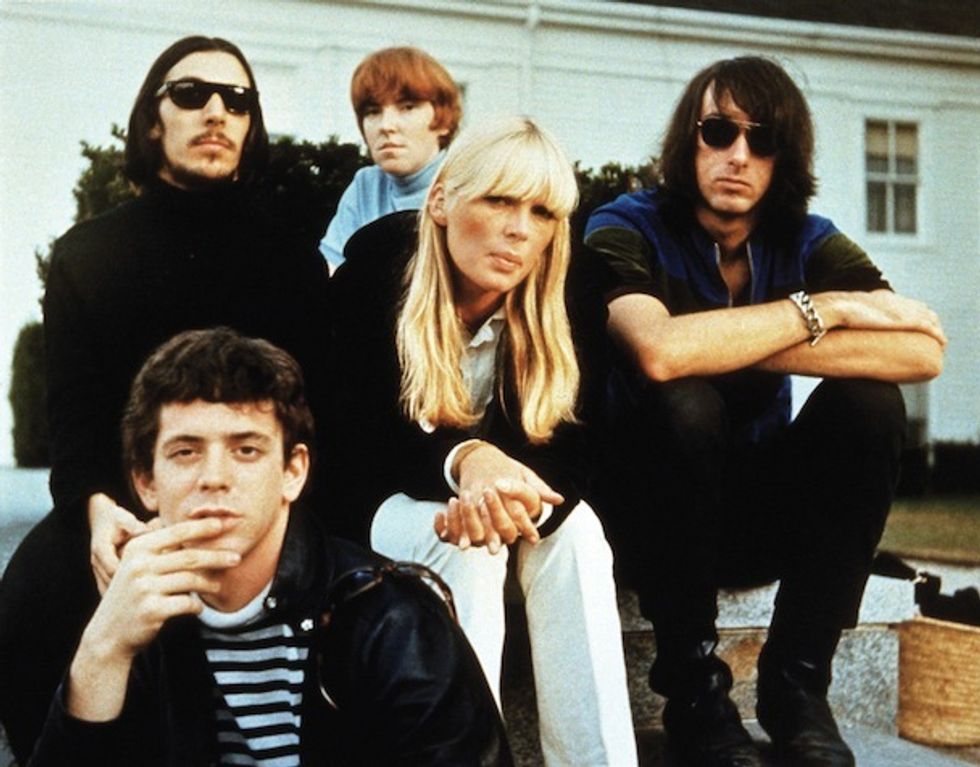
While not considered to be true punk yet by most, proto-punk bands provided the musical foundation for the stylings of punk to come. The proto-punk bands were rooted in garage and blues rock. These bands were fairly obscure in their time and they only became famous, almost retroactively, as punk came of age.
“I’m Waiting For the Man” by The Velvet Underground
The Velvet Underground was the quintessential '60s New Yorker band fronted by Lou Reed. Their intense lyrics (ranging in topic from drug addiction to BDSM) were packaged in sweet, repetitive melodies to throw a listener off of the scent. “I’m Waiting For the Man,” for instance, is a cheery tune about Lou Reed going up to Harlem and waiting for his drug dealer.
“Pablo Picasso” by The Modern Lovers
The Modern Lovers, on the other hand, were based in Massachusetts and largely wrote songs with silly lyrics about the trials and tribulations of dating. One member of The Modern Lovers, Jerry Harrison, went on to be a member of Talking Heads (see new wave). Like later punk songs, The Modern Lovers’ music relied largely on lyrical expression, key, and volume to convey meaning since their melodies were fairly uncomplicated. “Pablo Picasso” is a light-hearted song with lyrics that hinge on jealousy of the artist Pablo Picasso’s skills in picking up women.
2. Punk (1970s)
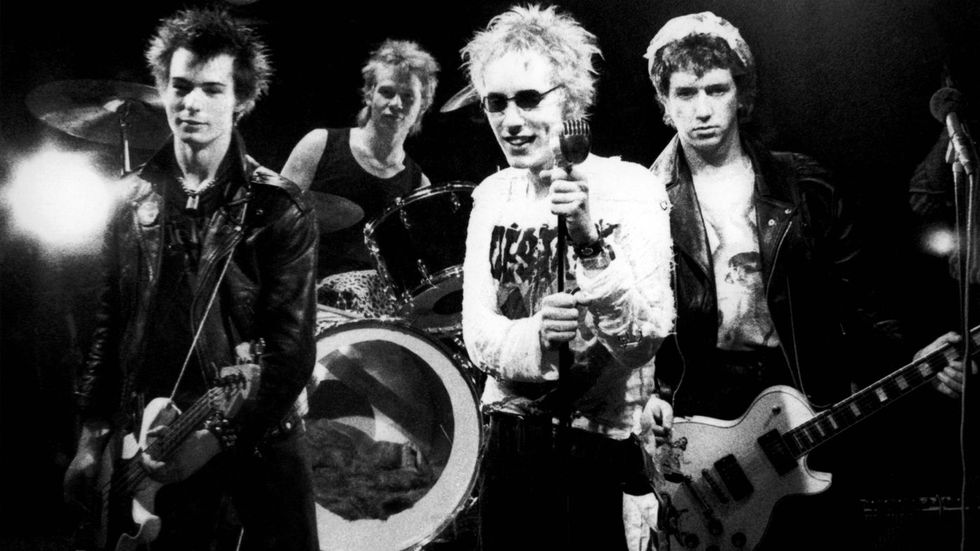
The true punk movement rose in the mid-1970s in the U.K. and New York City as an aggressive reaction to the comparatively tame hippy music scene in the '60s. Punk attempted to reclaim the idea that rock music is, by definition, loud and rebellious. The punk movement transcended music, seeping into both '70s fashion and lifestyles.
“Anarchy in the U.K.” by Sex Pistols
The London-based Sex Pistols were at the forefront of punk culture and they were most famous for their bassist, Sid Vicious, who reportedly murdered his girlfriend, Nancy Spungen, while they were staying at The Chelsea Hotel in New York City. Sex Pistols only released one full-length album, 1977’s "Never Mind The Bollocks, Here’s The Sex Pistols," but that was enough to become one of the most influential bands in rock history. “Anarchy in the U.K.” is a snarling punk anthem demanding a total reorganization of the social order.
“Should I Stay Or Should I Go” by The Clash
The Clash was another influential punk group based in London. Like Sex Pistols, The Clash wrote fast-paced and angry, politically charged music. “Should I Stay Or Should I Go,” however, is more personal. This song captures the frustration of loving someone who can’t make up their mind about you. The occasional Spanish lyrics help to make this song the perfect mixture of unique and cliche.
3. Post-Punk (late 1970s to 1990s)
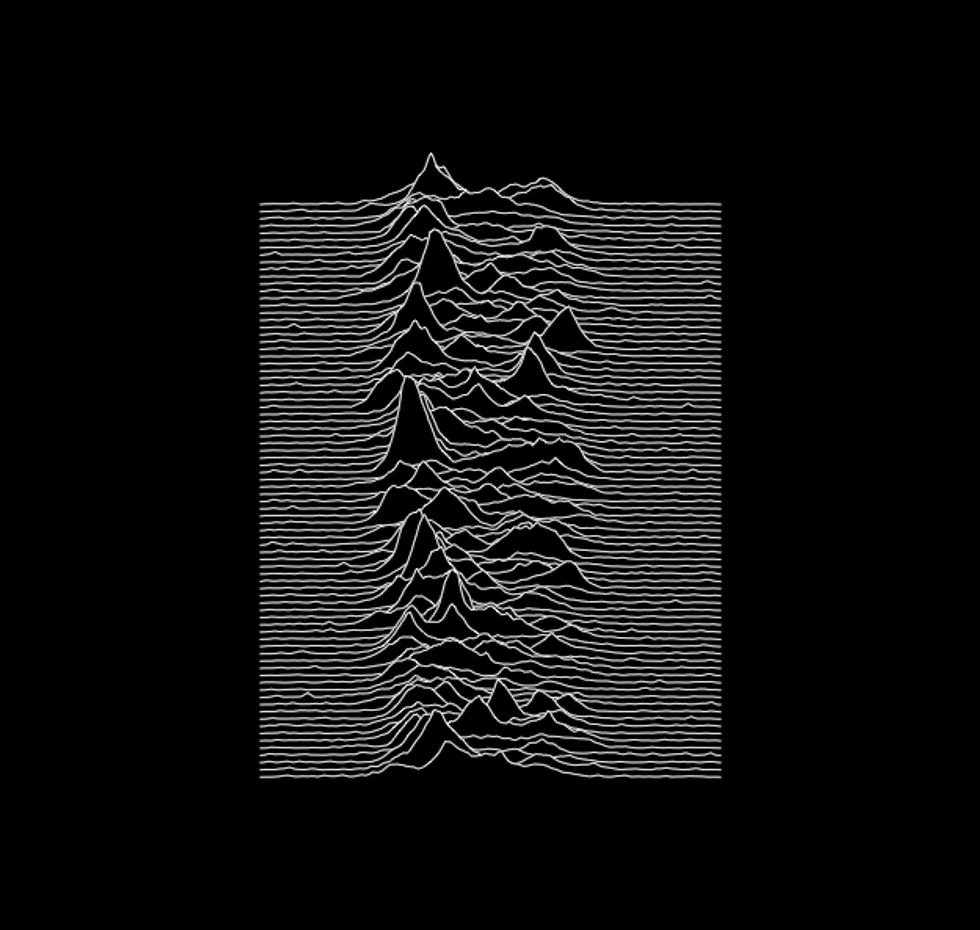
Post-punk saw some movement away from the simple chord progressions of traditional punk and a more creative use of production techniques. It is an ambiguously defined genre since some define it as the movement that continued to make use of punk stylings after the 1970s, while others simply define it as any alternative music created after the punk movement that may or may not have a direct relation to punk itself.
“Love Will Tear Us Apart” by Joy Division
While the exact definition of post-punk is a bit hazy, two things are certain: Joy Division is the quintessential post-punk band and “Love Will Tear Us Apart” is the quintessential Joy Division song. The repetitive refrain of this song is representative of the claustrophobic, almost incantational melodies of Joy Division and its lyrics are singer/songwriter Ian Curtis’s most transparent cry for help as his life and marriage derailed. Joy Division was another short-lived, but highly influential band, as Curtis committed suicide in 1980 after the band had only been together for four years. Etched on Curtis’s grave are the words “love will tear us apart,” because love tore him apart exactly as he predicted less than a year earlier in this haunting tune.
“Kool Thing” by Sonic Youth
Sonic Youth, on the other hand, were together for 30 years. In that time, they invented new sounds for the guitar by experimenting with alternative tunings and percussive guitar. Kim Gordon, Sonic Youth’s bassist and one of their singers, is also fairly well-known as an artist, designer, and a feminist. She managed to worm her way into the largely male-dominated punk scene and make a name for herself, setting a precedence for female musicians to come. “Kool Thing” is one of Sonic Youth’s more punk-styled songs. Like a classic punk song, “Kool Thing” bemoans the political state of the world, but it inserts an edge by focusing on female objectification and racial oppression, topics that were not previously breached by the mainstream punk world.
4. New Wave & Dance-Punk (1980s)

New wave and dance-punk are often categorized under post-punk’s vast umbrella because all three movements occurred around the '80s. What differentiates new wave and dance-punk are that these two movements incorporated aspects from both punk and pop (which, in the '70s, meant disco and other dance music). Many people (including Kim Gordon of Sonic Youth) believed that the new wavers were selling out because they were taking the rebellion of punk and repackaging it in a marketable format. Others, however, view new wave as an innovative, artistic evolution of punk, since the genre is a seamless, creative melding of two genres that are very different.
“Blue Monday” by New Order
In the wake of Ian Curtis’s suicide, the remaining members of Joy Division joined up with percussionist Stephen Morris’s then-girlfriend Gillian Gilbert and formed a new band called New Order. It appears that Curtis was the gloomy link of the band, as New Order saw ex-Joy Division members largely trading their dark, mournful pieces for peppy dance tunes. “Blue Monday” is a song that will probably always sound futuristic. It was one of the earliest electronic songs, so the band members had to actually program the electronic instruments themselves, causing the song to reek of experimentation. "Blue Monday" sounds like what one would expect if a Joy Division song was given a disco beat and then the tone of the song evolved to match that beat. To quote NME, New Order is about: “Getting rock kids to dance. There’s no cause nobler than that.”
“Psycho Killer” by Talking Heads
Talking Heads was one of the most innovative bands of the '80s, incorporating elements of funk, art-rock, dance, and world rock in addition to punk into their songs. The band was fronted by the musician/artist/filmmaker/writer/all-around superman David Byrne, who was the band’s primary vocalist and songwriter. “Psycho Killer” uses a punk beat to sound anxious and slightly imbalanced, a sound that dovetails with the song’s lyrics, which describe the mind of a serial killer.
5. Grunge (1990s)
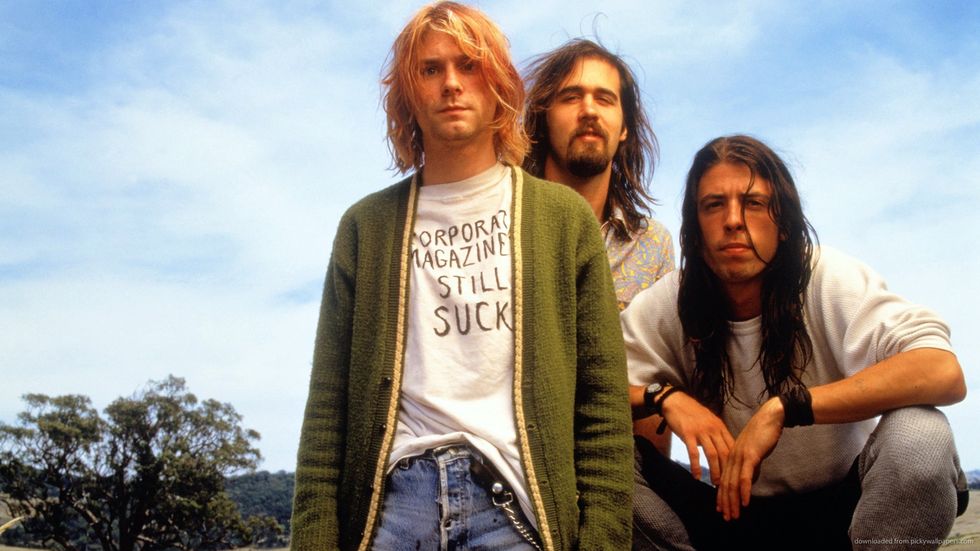
Grunge used the unfiltered aggression of the original punk movement, but it channeled it into prettier melodies. Grunge songs described the unrest and angst that the new generation of American youth felt when coming out of the Reaganian '80s. This movement was largely centered around Seattle and the band Nirvana.
“Smells Like Teen Spirit” by Nirvana
From a small band whose first album had had indie acclaim at best, "Nevermind," Nirvana’s second album, was only expected to sell 250,000 copies by its record label. No one anticipated that this album, and its lead single, “Smells Like Teen Spirit,” would resonate so closely with the angst and apathy of early '90s teenagers. It was this song that broke Nirvana into the mainstream.
“All Apologies” by Nirvana
The success of "Nevermind" disheartened Kurt Cobain, Nirvana’s frontman, because he felt that he was now writing music for the popular sort of people who had made him feel miserable for his whole life, so Cobain turned around and wrote "In Utero," an album that was purposefully created to have less acclaim. “All Apologies” is from that album. The tune is a sweet and sunny melody sung in Cobain’s usual growl while the song’s lyrics are about feeling helpless and trapped.
6. Riot Grrrl (1990s-2000s)
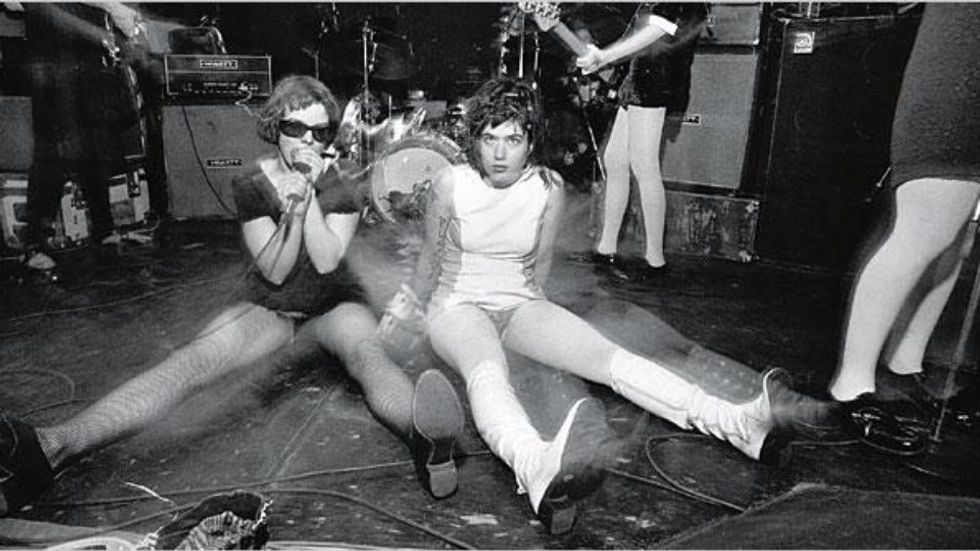
Grunge’s sister movement, riot grrrl was also based in Seattle. In fact, the movement’s founder, Kathleen Hanna (of Bikini Kill), was good friends with Cobain and she inspired the title for “Smells Like Teen Spirit.” Hanna started the riot grrrl movement as a musical outlet for intersectional, third-wave feminists. Riot grrrl music was stylistically extremely similar to classic punk while the music's lyrics tackled female rage through issues ranging from rape to female empowerment. The riot grrrl musicians pulled a media blackout, refusing to give interviews or appear in photos, to protest the degradative manner in which the media portrays women.
“Rebel Girl” by Bikini Kill
“Rebel Girl” is a celebration of the wild sort of girl who has been slut-shamed, called a dyke, or otherwise shunned in other songs. With her feminine, yet aggressive voice, Hanna tells the listener that she not only wants to be this girl’s best friend, but that she actually wants to put on this “rebel girl’s” clothing and be like her. “Rebel Girl” is a song about women supporting each other as the rest of the world tries to tear them down.
“Don’t Need You” by Bikini Kill
While “Rebel Girl” saw Hanna empower another woman, “Don’t Need You” sees her self-empowered. This song is a largely tuneless mass of energy, reminiscent, in that regard, of Sex Pistols. Hanna repeatedly shouts the fact that women can take care of themselves and that they do not need men to determine their worth. The anger in Hanna’s voice is palpable and, while she may be more screaming than actually singing, her voice is justified because if she had sung prettily, then she would have fit into the predefined category of femininity. The point of the song is that she does not want to be defined by anyone else. Hanna just wants to be appreciated for and by herself. Anything less than Hanna’s actual vocal performance on this song would have been unfaithful to the lyrics.
7. Pop Punk (1990s-2000s)
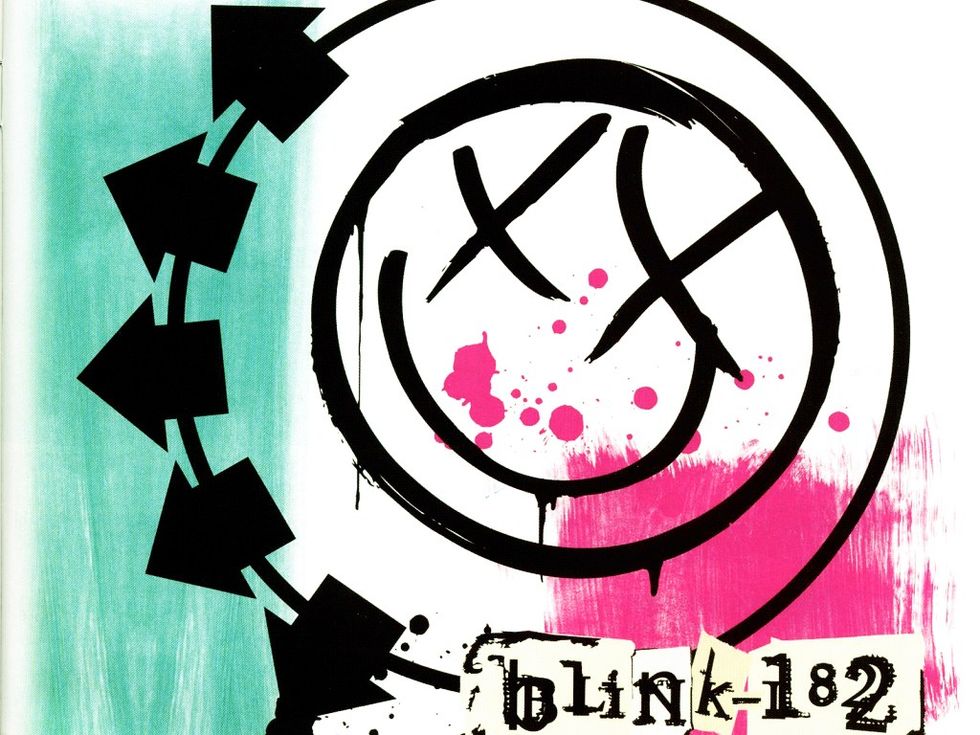
Similarly to new wave and dance punk, pop punk (or punk-pop) also combined elements of punk with elements of pop music. However, the pop punk music began almost a decade later, so the pop music of the time was no long disco, as it was at the time of new wave. Pop punk songs owe their tempo and chord progressions to punk, but their melodies and lyrical themes to pop. The movement saw a shift in the focus of punk lyrics away from political or public suffering and towards personal heartbreak (or love in general).
“The Rock Show” by Blink-182
Blink-182, more in the vein of a pop band than a punk band, was based in California. “The Rock Show” details the story of falling in love with a girl at a rock concert while being young and wild and, subsequently, breaking up. These lyrics go hand-in-hand with a breakneck beat and the exhilarated guitar that act as a musical translation of the feeling of running.
“Basket Case” by Green Day
Green Day, another major pop punk band, is also based in California. The lyrics of “Basket Case” are from the perspective of a young, horny man without prospects, who constantly feels disenchanted with life and who tries various methods to make that dissatisfaction go away. Like “The Rock Show,” “Basket Case” uses the energy and pace of punk, but with a more varietal melody.
8. Post-Punk Revival (2000s-present)
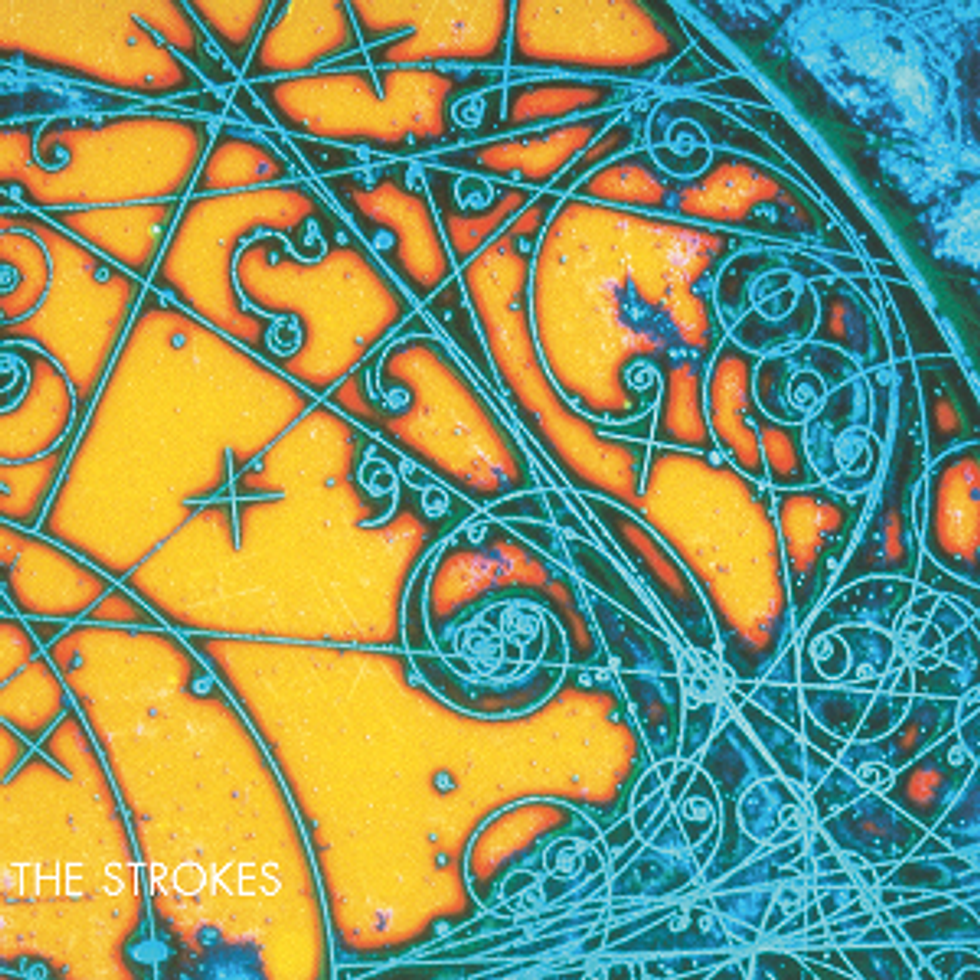
This is the only movement on this list that is not a direct descendant of punk. After a decade of absence, '80s post-punk, new wave, and dance-punk returned to the rock scene under the umbrella of post-punk revival. Fronted by bands such as The Strokes and Yeah Yeah Yeahs of New York City, The Killers of Las Vegas, and Franz Ferdinand of Scotland, this movement has no single epicenter and it is a rather broad categorization of bands. Some things that post-punk revival bands do tend to have in common are poetic, artsy lyrics and hipster-style fashion. The post-punk revival movement has certainly declined in the last decade, but many of the movement’s original bands are still making music, so there is some debate as to whether or not the movement has fully ended yet.
“Last Nite” by The Strokes
Releasing "Is This It" in 2001, The Strokes were one of the first post-punk revival bands to make a name for themselves. Drawing on their New Yorker roots, The Strokes' lyrics tend to be vague tales of dating and being young in an urban setting. “Last Nite” is a speedy song that perfectly captures the youthful vivacity of having fun with friends as a twenty-something. While the pace of the song and guitar part sound distinctly punk (or some might say that it is clearly lifted from Tom Petty and The Heartbreakers), the song's melody and lyrics sound outright distinct. The Strokes was one of the first bands to take the aggressive energy of punk, previously channeled into anger or frustration, and direct that energy into anticipation and excitement for simply being alive instead.
“Mardy Bum” by Arctic Monkeys
From across the pond, the British band Arctic Monkeys formed after frontman Alex Turner heard The Strokes and was inspired to start a band of his own. With the help of a new-fangled thing called the internet, Arctic Monkeys’ 2006 debut, "Whatever People Say I Am, That’s What I’m Not," swiftly rose to acclaim. Unlike the other songs on that album, which are pretty consistently punk, “Mardy Bum” is on the gentle side. The instrumental part swings back and forth between a pretty, post-punk reserve and punk aggression as a nice complement to Turner’s lyrics, which range from nostalgic to frustrated.
Evidently, punk has played a large role in shaping the alternative music of the last 60 years. It should be exciting to see what punk innovations will happen next!

















