
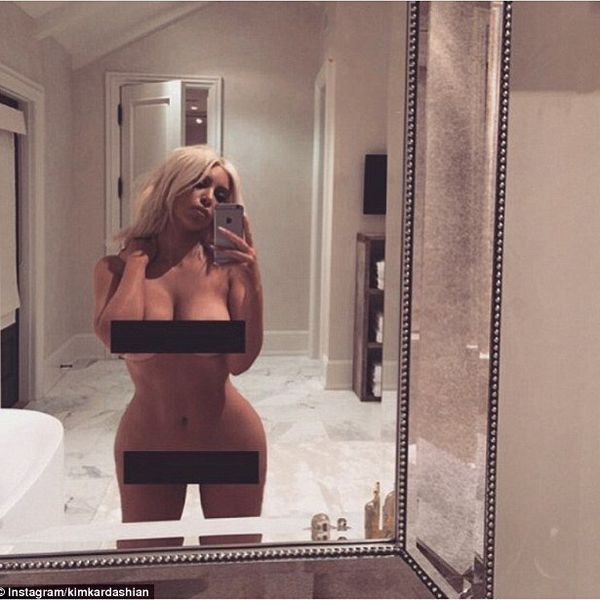

For many women, the narrative surrounding body-image is drastically transforming as contemporary media attempts inclusivity. We are witnessing more companies receive backlash when models are predominantly white, or lean, or both, exemplifying the necessity of public feedback that demands accurate reflections of femininity and human existence.
Such changes are fantastic and worth celebrating; however, despite these improvements, there are still bounds to be made when it comes to the unforgiving scrutiny of women’s bodies. With so many celebrity women receiving unsolicited commentary on their outfits, lifestyle choices, and accomplishments, one stigmatized subject has become more apparent: plastic surgery. Often, women who undergo superficial procedures are accused of low self-esteem, being a poor role model for young girls, promoting “anti-feminist” measures that “cater to the male gaze,” and even hindering their natural beauty.
Alternately, those who choose to not undergo aesthetic procedures receive identical misogynistic attention such as criticism for their figure, cellulite, stretch marks, or post-pregnancy appearance. The defamation of plastic surgery builds from a narrative that poor body-image is the universal justification for changing oneself, rather than the reality that an individual’s happiest state does not necessarily adhere to society’s beauty expectations. The Kardashian/Jenner family is no stranger to such criticism, with ridicule for Kim Kardashian’s cellulite (despite cellulite prominence in an upwards of ninety percent of women), and with comparison photographs incessantly plastered across social media platforms to “prove” that Kylie Jenner may have received a breast augmentation.
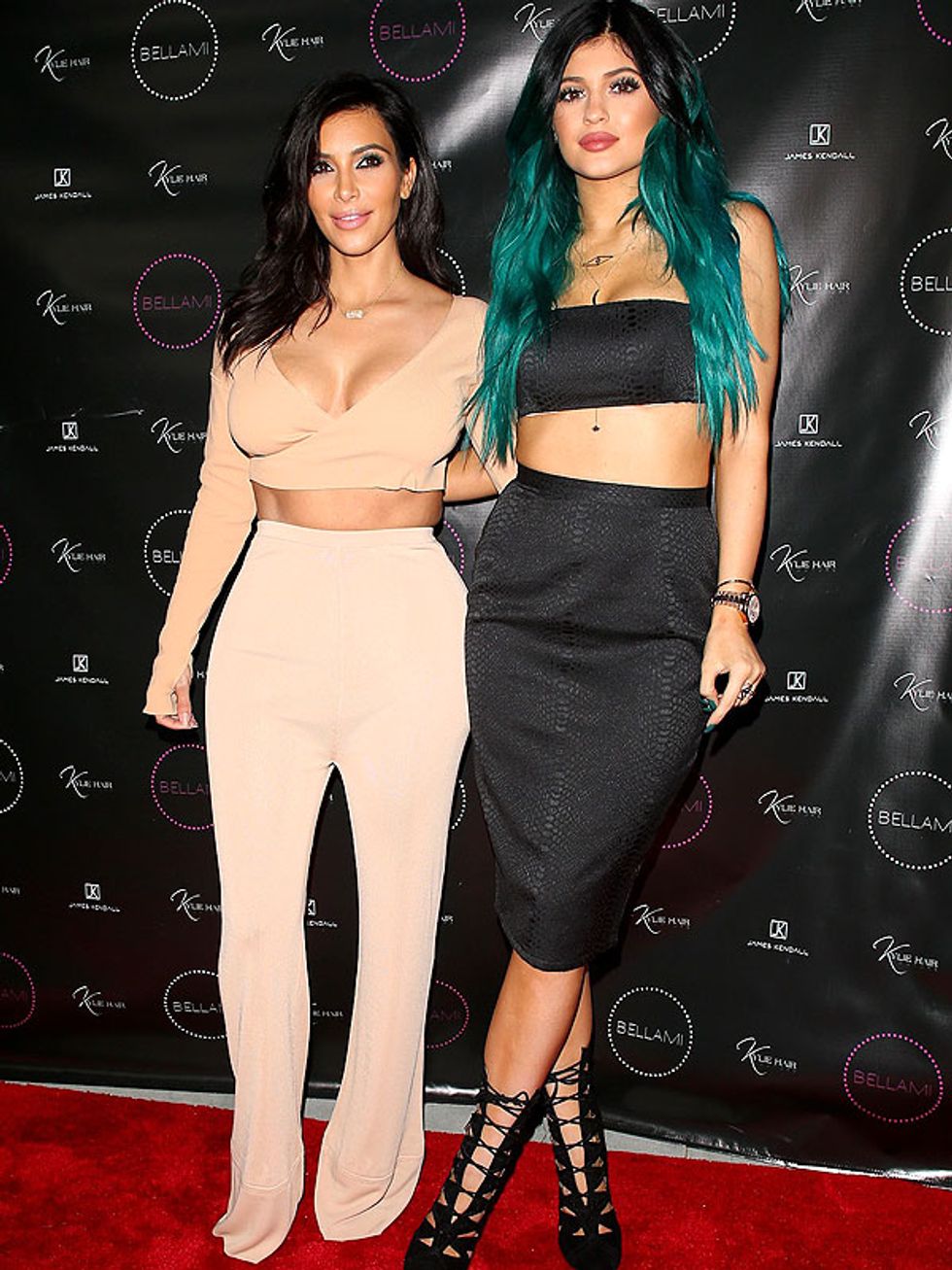
The Kardashian/Jenner franchise and other celebrities who have received these procedures are consistently accused of setting poor examples for young women by creating “unattainable [definitions] of beauty.” Despite their fame and wealth, it is imperative to recognize that the Kardashians and Jenners are human, and if the public truly desires to challenge their legitimacy, we should delve into conversations about cultural responsibility in matters beyond big lips. In reality, our feminine celebrities are not the cutting-edge conductors of the twentieth-century concept of republican motherhood.
The idea that female stars are the sole influence of upcoming generations appears outrageous; yet, subliminal conditioning has left audiences more concerned with the impact of a woman’s fluctuating breast size rather than that of a male influencer, such as Kodak Black’s arrests in 2016, met with trending hashtags demanding his freedom despite his ties to sexual assault allegations. The glaring double standard in fame leaves feminine stars subject to shaming and intolerance for their physical appearance, gender orientation, and private choices that solely impact themselves; meanwhile, male figures are easily forgiven and their work remains consumed despite legitimate offenses and unacceptable cultural aggressions such as DUI's, physical assault, and blatant racism.
Perhaps if the public eye acknowledged female celebrities as an array of female entrepreneurs with a multitude of talents, rather than the media’s narrow scope of their bodies, then we can raise our own children to have ambitions without attacking talented beauty gurus with lip injections on Instagram.
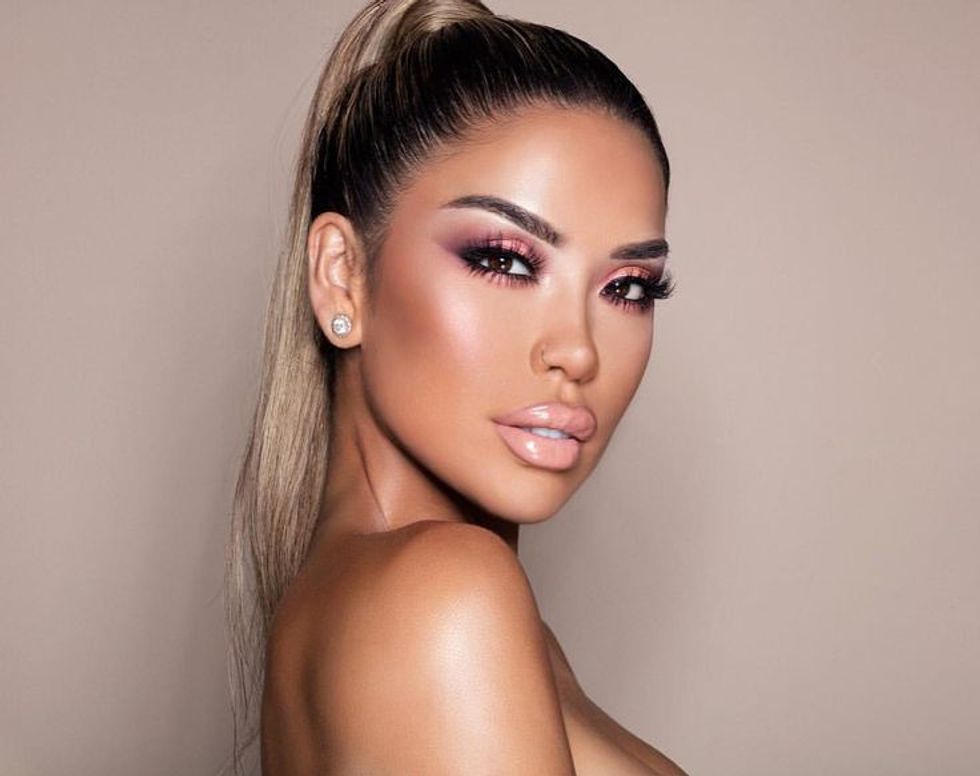
Ironically enough, when a woman is accused of catering to the male gaze with plastic surgery, judgment amplifies when she is vocal about having a procedure for her own happiness, leaving her vulnerable to the tired comment that “she was much prettier before the surgery.” With so much backlash, how can we wonder why Kylie would not be vocal with her personal choice about her own body? Unfortunately, public perception of celebrity status has determined that those who have established media spotlight are doing so under the stipulation that they are no longer entitled to grow as human beings, have private desires for themselves (their body included), and make adult decisions that may not necessarily align with everyone’s personal choices. While contemporary media appears to be more inclusive, the underlying body-shaming resurfaces when any female star changes, whether it be gaining or losing weight.
Bodies are incredible: protecting and enduring throughout our life — they are subject to change with time and still be beautiful. Self-love can swing both ways, whether it be a woman who is absolutely content with her current appearance, or a woman who loves herself, undergoes a procedure, and still loves herself. The stigmatization of these surgeries empowers an intrusive tabloid journalism that further reduces women to their figure rather than their accomplishments. A woman’s mental health via positive body-image is as important as her physical health; therefore, I suggest that we grant less importance to a celebrity’s personal body preferences, and more to a tabloid journalism that empowers a woman’s ability to love her body with or without artificial measures.















