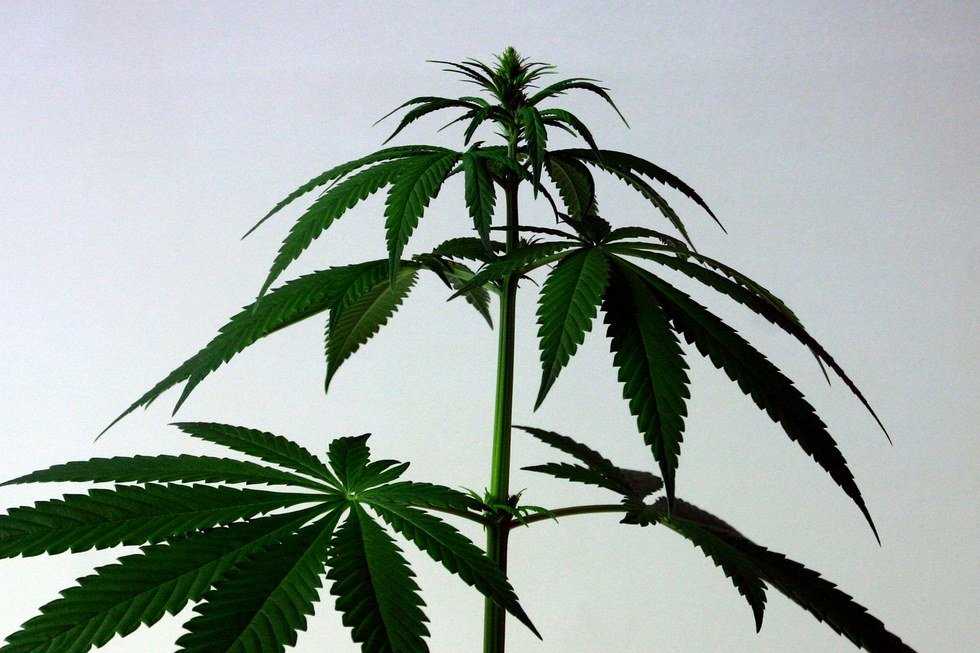
The other day, I was on the phone with my parents and eating the most delicious hemp ice cream I’ve ever had. (I'm not really a dairy person.) I told them what I was eating, and they asked, “Wait, aren’t you getting stoned?” in a concerned manner. I laughed, and tried explaining the difference between hemp and other cannabis plants, but they insisted that “back in their day,” hemp got you high.
Sometimes, you can’t win with your mother.
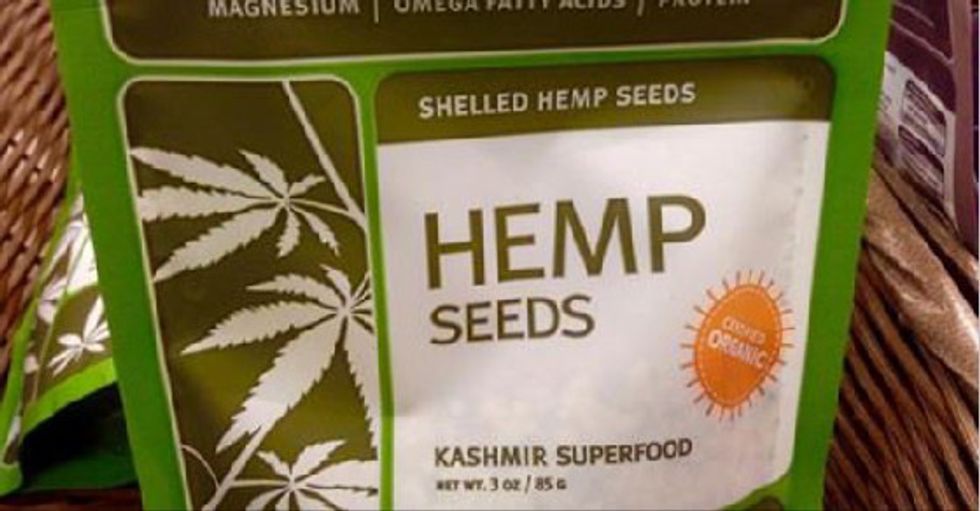
Truthfully, I was not getting high from eating hemp ice cream. There is a chance that the word "hemp" was used as a slang term for marijuana when my parents were growing up, but they are biologically different. Most people reading this right now probably already know that, but just to clarify, hemp is basically marijuana’s closely related cousin. It is the non-psychoactive (meaning, less than 1 percent tetrahydrocannabinol, THC) variety of Cannabis Sativa L. Though hemp and marijuana come from the same cannabis species, they are genetically different and differ by their primary uses, cultivation methods and chemical makeup. You may have heard someone say before that “hemp is the future,” or “hemp can save the world”—and those are pretty valid claims. This diverse plant is known to create thousands of products and is a 100 percent renewable source. The seed, flower, stalk and fibers are extremely versatile for making food, oil, cosmetics, moisturizers, lubricant, clothing, textiles, shoes, clean-burning biofuel, concrete, paper and the list goes on. Hemp seed is high in nutrients, fatty acids and widely used as a source of protein. Hemp milk also offers a nutritious alternative to cow's milk, like the ice cream I was eating earlier.
So, why aren’t we using hemp for literally everything?
This plant dates back to 8,000 B.C.. and is the oldest known cultivated plant fiber on the planet. According to the Hempest, hemp cloth was even used to make the first American flag—oh, the irony. In 1970, the Controlled Substances Act classified all forms of cannabis as a Schedule I drug—the "highest risk for a abuse"—making it illegal to grow it in the United States. This is why most hemp products are imported from other countries, like China, Romania and India. Canada is the largest source of hemp seed and oil imports. As a result of a 2003 federal law case, manufacturing, distributing and possessing hemp is not federally illegal, but the legal background of hemp and cannabis in our country is long and complicated. The prohibition on cannabis is starting to slowly lift with state level legalization and pilot projects and university research. The DEA plans on looking to reschedule marijuana by the middle of this year.
With the right changes, hemp has the potential to make a comeback in the U.S. And with our planet in desperate need of clean and renewable resources, using hemp offers our environment a glimmer of hope.