

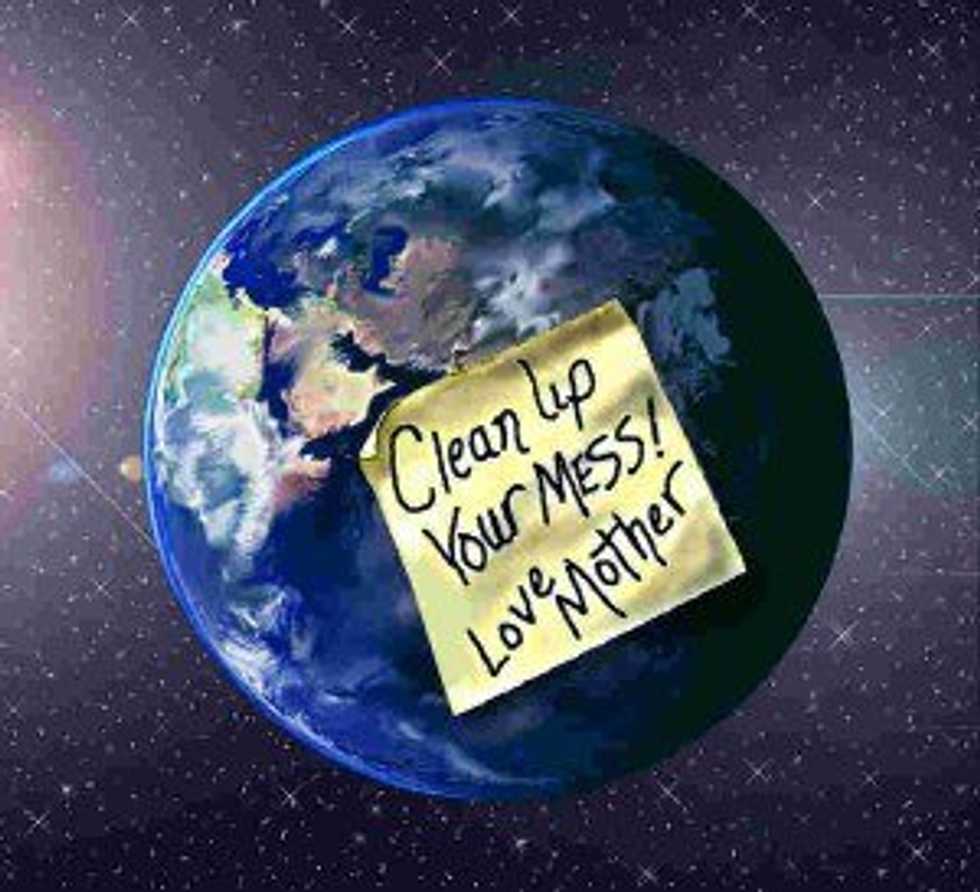
You can do all the research you want on how to be eco-friendly and environmentally helpful, but there's something the environmental agencies don't want us to know. If you go to most websites that claim to cover all the basics and then some on the subject, you'll find mostly the same thing on all of them: fossil fuels are bad; people should recycle as much as possible; ride a bike to work instead of driving; take shorter showers; turn lights off... We've heard it a thousand times. While these are all good ideas and everyone should move toward making these things happen, there's a bigger issue at hand: animal agriculture.
Amazon
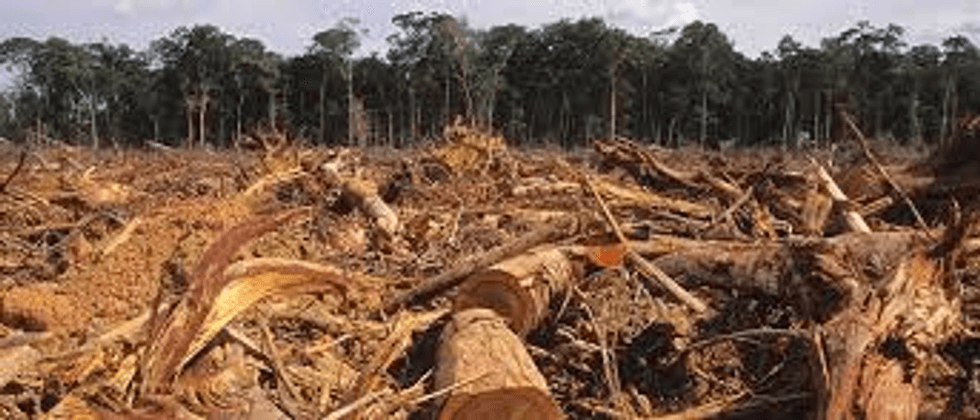
Animal agriculture, or the raising of livestock for food, is responsible for 30% of the entire world's water consumption, uses 45% of the Earth's land, is the cause of 91% of the destruction of the Amazon rain forest and is the leading cause of ocean dead zones. It is causing habitat destruction and species extinction for up to 100 species per day in the Amazon. One acre of forest is cleared every second to make space for cattle grazing, and it is predicted that in 10 years the Amazon may be completely destroyed and devoid of all previous life.
Waste
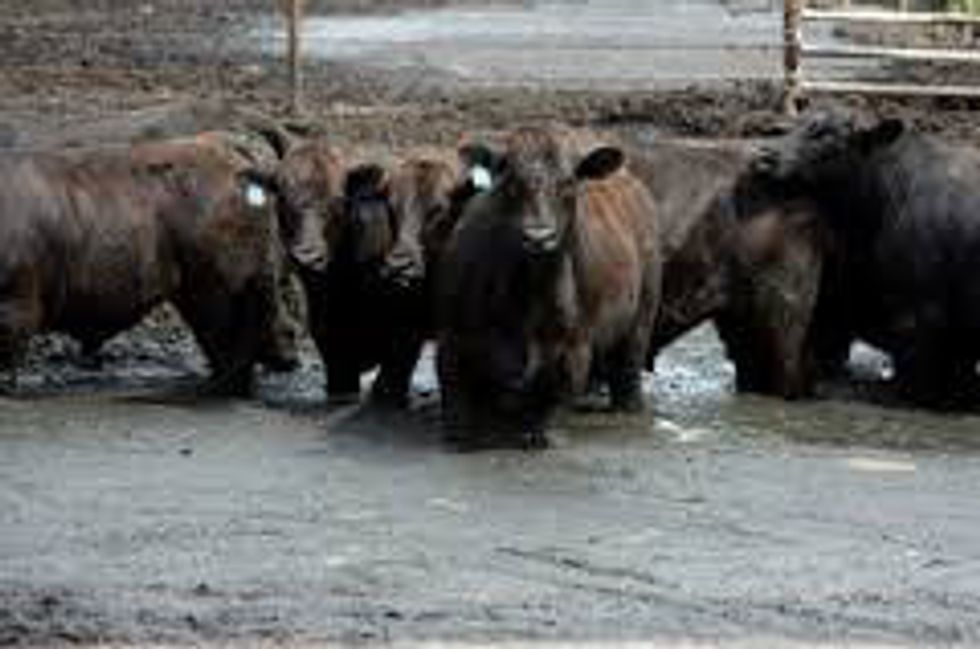
Cattle produce 130x the amount of waste than that the entire human population–with no waste treatment. 116,000 pounds of excrement are produced every second, which runs off into the oceans, causing hundreds of "dead zones" that are completely devoid of any life. What doesn't run off into streams is left for them to walk in for the rest of their short lives.
Inhumane treatment
Not only is eating the amount of meat as we do–9 ounces per person per day–not sustainable long-term, the way the animals are treated is an outrage. Newborn calves are taken away from their mothers at just two days old. The males are sent to a beef-raising facility while the females are kept to grow into dairy cows, though they, too will eventually be slaughtered as well.
Fast facts:
Mother cows are milked until their utters bleed.
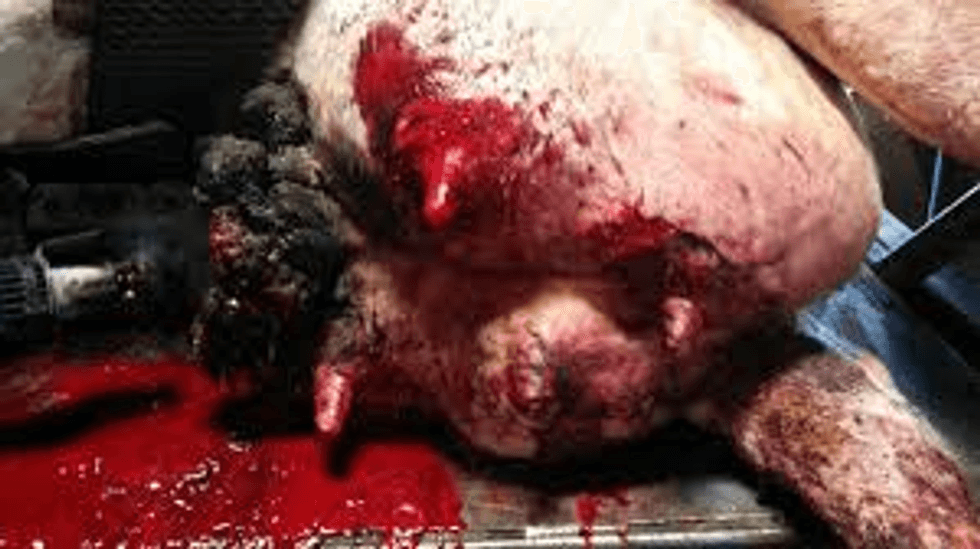
If a cow or pig develops an infection, they are killed by putting a bolt through their head.
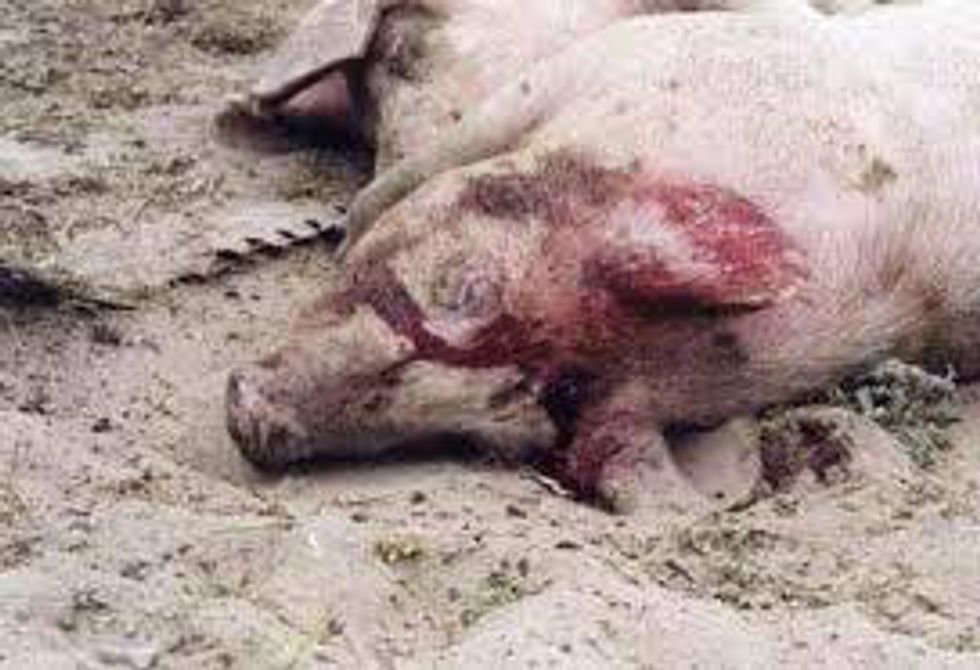
Chickens are hung upside down by their feet as they are run through a vat of water and an electric current is sent through until they are all dead.
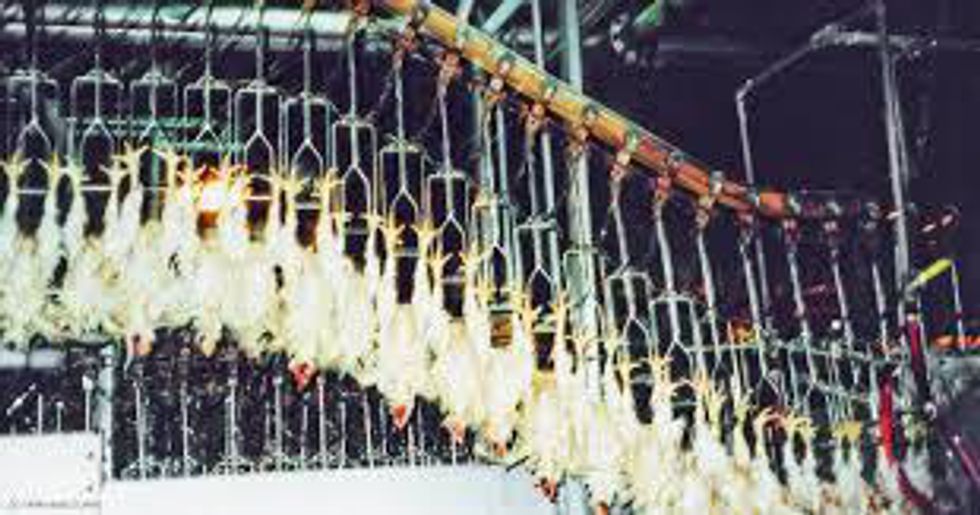
Male chicks are put into grinders alive, because they will not produce eggs.
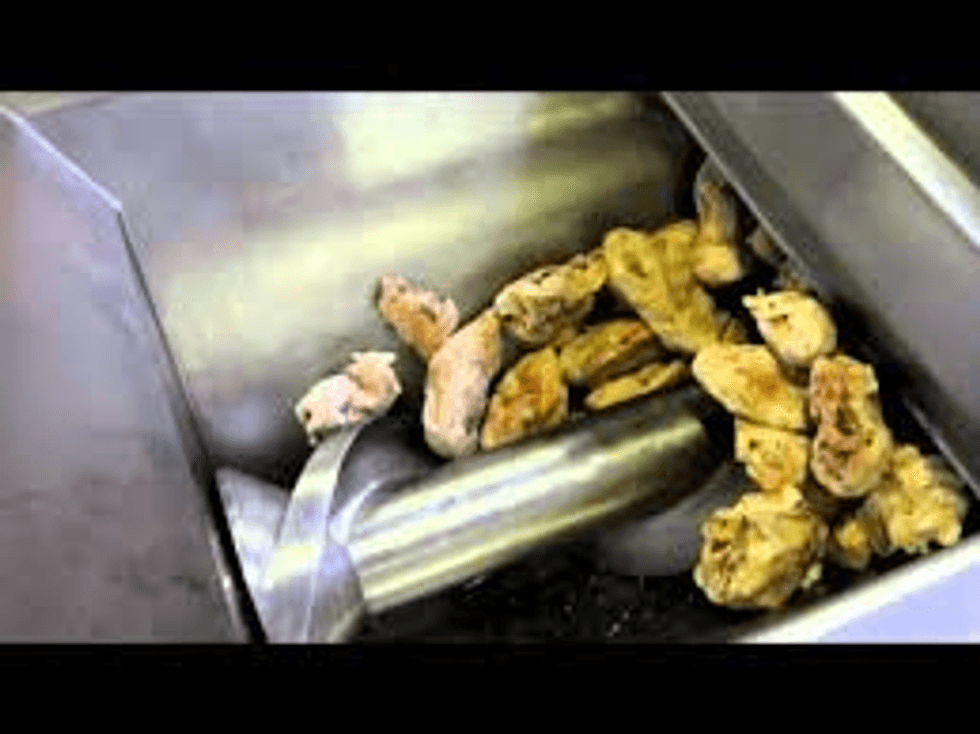
Male cows are castrated without using any type of anesthesia.
Fishing
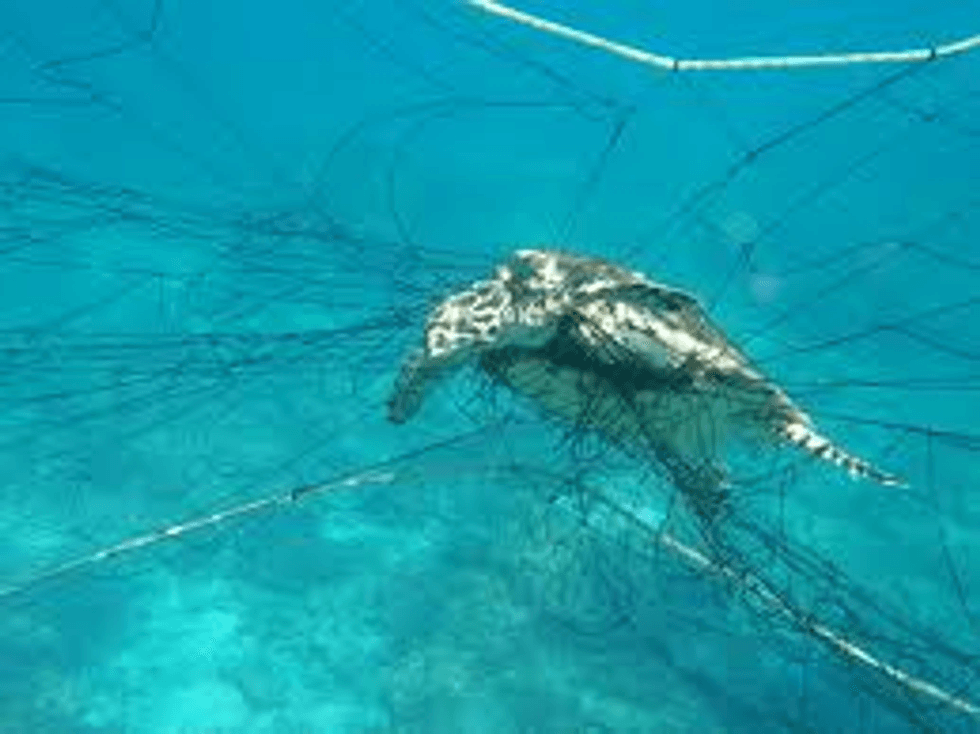
This isn't just happening on land, either; overfishing is also a major problem, and ecosystems are dying everyday. For every pound of fish caught, five pounds of other species are caught by accident, called "by-kill," such as sharks, sea turtles, whales and dolphins. It is predicted that if humans keep fishing the way that they do, our oceans could be fish-less by the year 2048. There is no such thing as sustainable fishing.
CO2 emissions
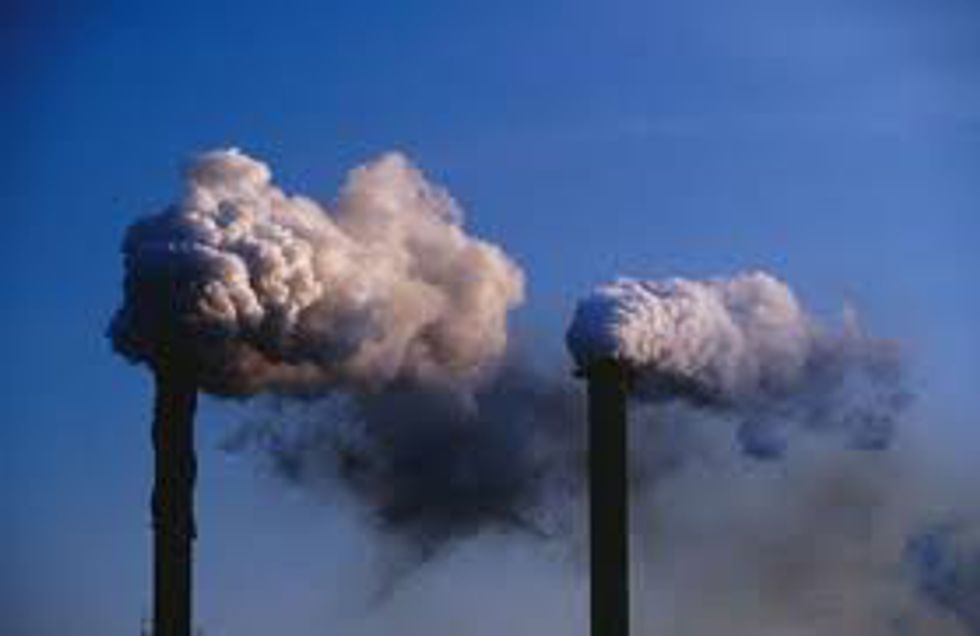
When you think of CO2 you probably think of car exhaust, but there's more to it than that. CO2 emissions from all the transportation from cars, trucks, boats and planes combined don't add up to what the CO2 emissions are from animal agriculture. Raising animals is 86 times more destructive than all vehicles. Cattle produce 65% of the world's nitrous oxide emissions, a gas that is 296 times more deadly to our Earth than CO2 per pound.
Water
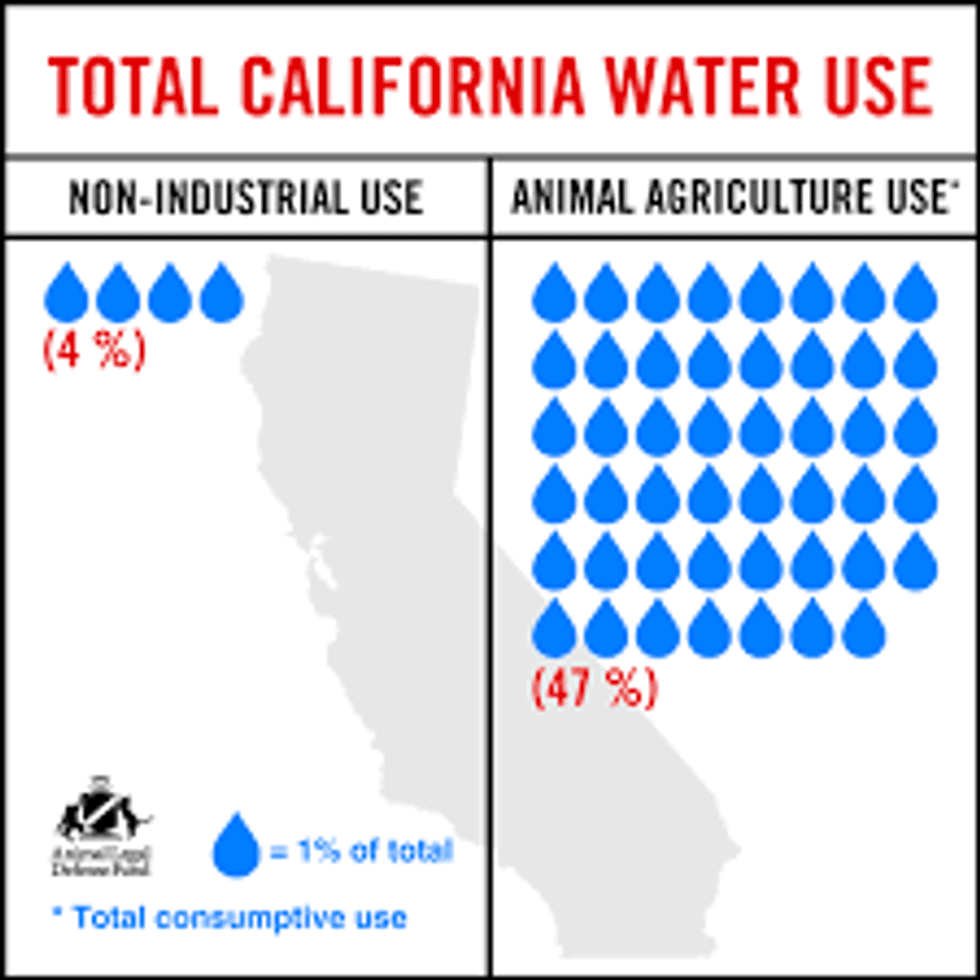
Environmental websites won't hesitate to tell you that fracking uses up to 100 billion gallons of water each year, but you will never find on their site what toll animal agriculture has on water supply–34 trillion gallons, though the methane gas production is equal. Meat and dairy products are very water intensive–it takes about 660 gallons of water to make a Quarter Pounder. While cutting down your shower time and turning off the faucet when brushing your teeth are always good ideas, domestic water use only accounts for 5% of water usage, while animal agriculture is responsible for 55%.
You may be asking yourself why this isn't front page news everyday, or why no one is doing anything about it. Environmental agencies stay afloat from donations and contributions, and questioning people's morals and asking them to change a big part of their everyday lives will not get good feedback and they will lose support. Instead, they feed us the repetitive basic things we could all be doing to "help."
While animal agriculture's effect on the planet is becoming more and more evident, government agencies refuse to do anything about it. Limiting people's intake of meat, or the amount of conditions of the animals would be cutting down on factory farmer's profits, and also violating people's freedoms. Though somewhat understandable, we need to realize that there is only so much land available to us here on Earth and we need to take care of it, before we don't have it anymore. If animal agriculture continues on this rise upward, entire nations will be devastated. Countries will be submerged in water due to rising water levels. Countries turning completely into desert due to grazing will have to mass migrate to other countries, devastating all economies. Climate wars are inevitable in the future if we do not put a stop to this soon.
The solution? Veganism. Not only is this diet better for the Earth, it is better for our bodies.
WE CAN STILL SAVE THE EARTH!
"Nothing will benefit human health and increase chance of survival of life on Earth as much as the evolution of the vegetarian diet" -Albert Einstein

















