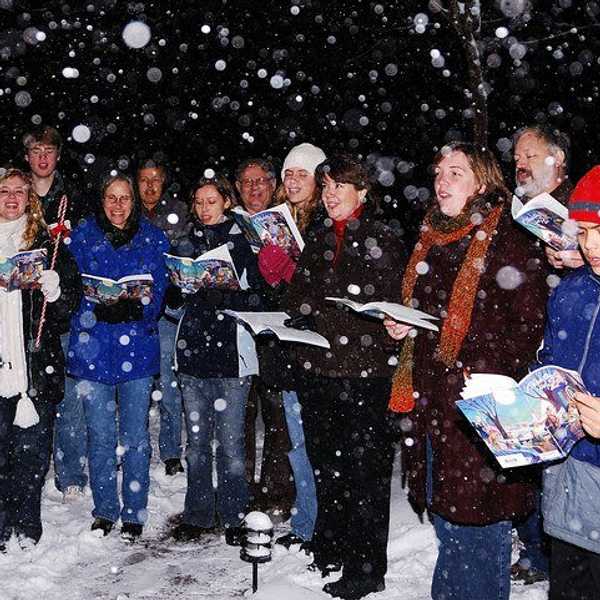
Yes so it seems the Christmas season has once again rolled in to greet everyone with gentle tidings of happiness. Christmas is perhaps the most wonderful time of the year. The winter air is crisp and cool enough to gather everyone together by the fireplace. Giddiness swirls through the atmosphere like something infectious and you can barely stand not to smile when you see a house wrapped in glittering majestic lights. Carols are sung from passionate souls, kindness is a virtuous in even the darkest of hearts. Bitterness seems like such a rarity among all the cheer, such beauty fills the environment and giving comes more often than taking. Romance is everywhere, especially when one must deliver a kiss towards another under the wondrous pull of mistletoe. But there are certain disregards towards this special holiday that might make it a bit more interesting. While we're all enjoying old Christmas specials and giggling at fond memories, it will surprise to your beloved family when they come to realize some of the things others haven't acknowledged or even heard of.
- More than three billion Christmas cards, in the United States alone, are sent.
- According to data analyzed from Facebook posts, two weeks before Christmas is one of the two most popular times for couples to break up. However, Christmas Day is the least favorite day for breakups.
- In A.D. 350, Pope Julius I, bishop of Rome, proclaimed December 25 the official celebration date for the birthday of Christ
- Green, the symbol of life and rebirth; red, the symbol of the blood of Christ; and gold, the representation of wealth and royalty are the commonly used, and now traditional colors of Christmas.
- Many European countries believed that spirits, both good and evil, were active during the Twelve Days of Christmas. These spirits eventually evolved into Santa’s elves, especially under the influence of Clement C. Moore’s The Night Before Christmas (1779-1863) illustrated by Thomas Nast (1840-1902).
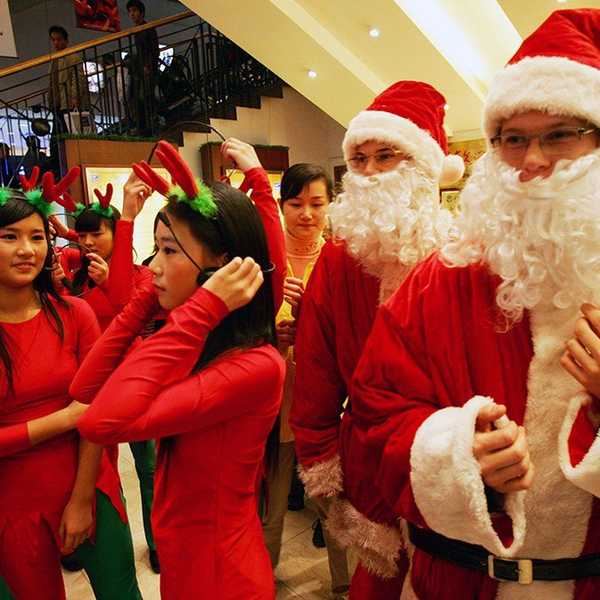
- Each year there are approximately 20,000 “rent-a-Santas” across the United States. “Rent-a-Santas” usually undergo seasonal training on how to maintain a jolly attitude under pressure from the public. They also receive practical advice, such as not accepting money from parents while children are looking and avoiding garlic, onions, beans, of other smelly foods before going into work.
- Being perceived as the first animal to announce the birth of Jesus, Bolivians celebrate Misa del Gallo or “Mass of the Rooster” on Christmas Eve. People sometimes bring Roosters to the midnight mass.
- During Christmas dinner, British people wear paper crowns stored in tubes called a “Christmas Cracker.”
- Polish people consider spiders to be symbols of goodness and prosperity at Christmas. Spiders per spider webs are common decorations because according to a legend a spider wove a blanket for baby Jesus.
- Christmas wasn’t declared an official holiday in the United States until June 26, 1870.
- Mistletoe was considered sacred by ancient peoples because it remained green through the winter while all others perished. Druids would cut mistletoe with golden sickles, they wouldn't ever let the plant touch the ground. They believed that it held mystic powers to cure infertility and nervous diseases. They also thought it could ward off evil spirits.
- Scholars suggest the word Yule means “revolution” or “wheel” which symbolize the cyclical return of the Sun. Burning the log, and it's charred remains is said to offer health, fertility, and luck as well as the ability to ward off evil spirits. {Why does everything ward off evil spirits? I don't know.}
- The poinsettia is native to Mexico and was cultivated by the Aztecs, who called the plant Cuetlaxochitl (“flower which wilts”). For the Aztecs, the plant’s brilliant red color symbolized purity, and they often used it medicinally to reduce fever. Contrary to popular belief, the poinsettia is not poisonous, but holly berries are.
- Santa Claus is based on a real person, St. Nikolas of Myra, who lived during the fourth century. Born in Patara {modern-day Turkey}, he is the world’s most popular non-Biblical saint, and artists have portrayed him more often than any other saint except Mary. He is the patron saint of banking, pawnbroking, pirating, butchery, sailing, thievery, orphans, royalty, and New York City.
- Early illustrations of St. Nicholas depict him as stern, commanding, and holding a birch rod. He was more a symbol of discipline and punishment than the jolly, overweight elf children know today.
- The earliest known Christmas tree decorations were apples. At Christmastime, medieval actors would use apples to decorate paradise trees during “Paradise Plays,” which were plays depicting Adam and Eve’s creation and fall.
- In Germany, Heiligabend, or Christmas Eve, is said to be a magical time when the pure in heart can hear animals talking.
- The well-known reason we give presents at Christmas is to symbolize the gifts given to baby Jesus by the three wise men. But it may also stem from the Saturnalia tradition that required revelers to offer up rituals to the gods.
- From 1659 to 1681 it was illegal to celebrate Christmas in Boston. If caught, you could be fined.
- Allegedly stockings come from the following story: A poor man with three daughters couldn’t afford the dowry to have them married. One night, St. Nicholas dropped a bag of gold down the man’s chimney so that his oldest daughter would be able to get married, and the bag fell into a stocking that was drying by the fire.
- On St. Nicholas's Feast Day Dutch children would leave food and drinks for him, which is one of the reasons we leave milk and cookies for Santa.
- Santa's traditional red suit originated from a 1930’s Coca Cola add, whereas before he wore white and blue and green.
- Because Montgomery Ward thought that a red nose represented chronic alcoholism, Rudolph almost didn't have one for fear of looking like a drunkard.
So you see, there are things regarding Christmas not everyone is aware of. This will be fun knowledge to pass along towards your family once you all come together at the dinner table. Warm wishes to everyone of course, only greater hopes that you found interest in learning something New about everyone's favorite holiday.