"I'm sure I'll never need to take the derivative of a trig function when I go shopping, right? Nor will I ever need to calculate the optimized angle at which I should cut up a watermelon. Then why do I need to learn math in school?"
Because math is fun.
No seriously, trust me. Of course, math is hard, frustrating and somewhat intimidating to many, but there are many aspects that make it interesting. The actual fun part is usually not taught in school but explored on your own. Still don't believe me? Let me show you.
1. Did you know coffee mugs and donuts are basically the same thing?
You might already think I’m crazy, but don’t stop reading here—let me explain why first. The story about coffee mugs and donuts comes from a field in math called topology, which, in simple words, is the study or categorization of shapes with regard to stretching and ripping. In topology, a coffee mug and a donut are considered homeomorphic or topologically equivalent. To explain this, imagine you have a stretchy coffee mug in your left hand. Then, you use your right hand to flatten out the cup part and reshape the mug, so it is evenly spread around the hole which is the original mug handle. Now your mug should look like a donut! Coffee mugs and donuts are considered “equivalent” because they both have one hole.
2. There is also math in snowflakes?
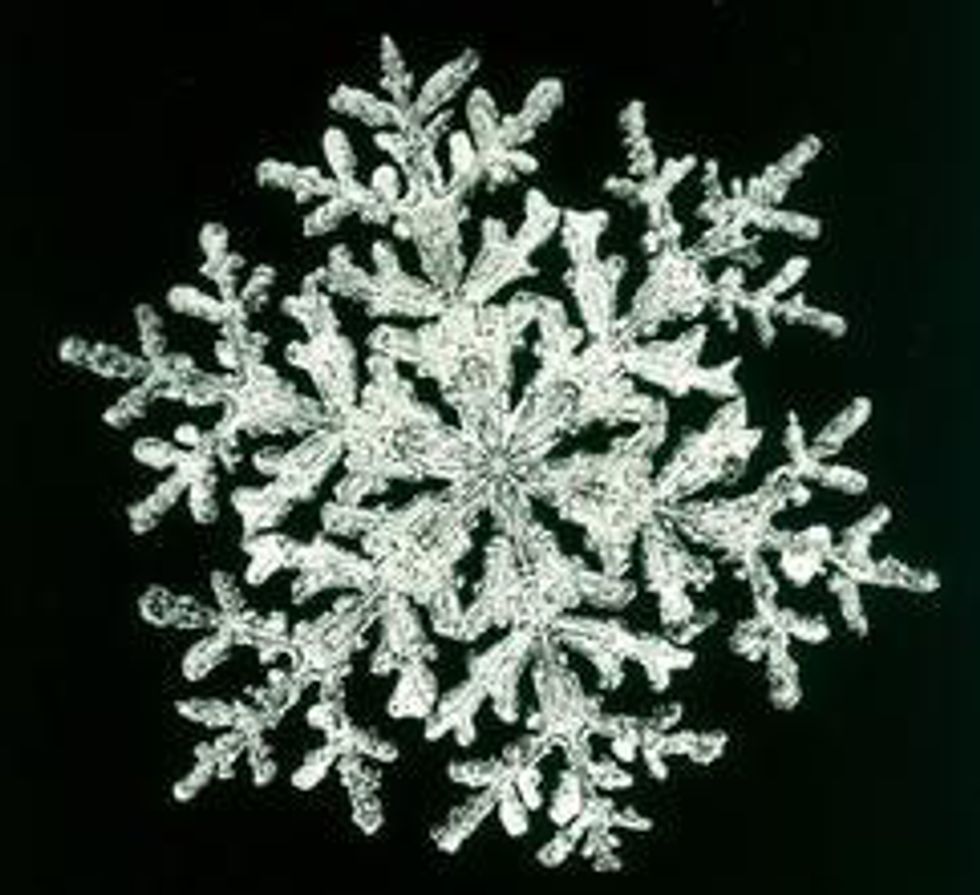
When you take a look at a snowflake, what you can notice is that there are repeated patterns that get increasingly small as you move toward the edges. These small repeated patterns are called fractals, which are infinitely repeating patterns that make it look the same, regardless of whether you zoom the picture.
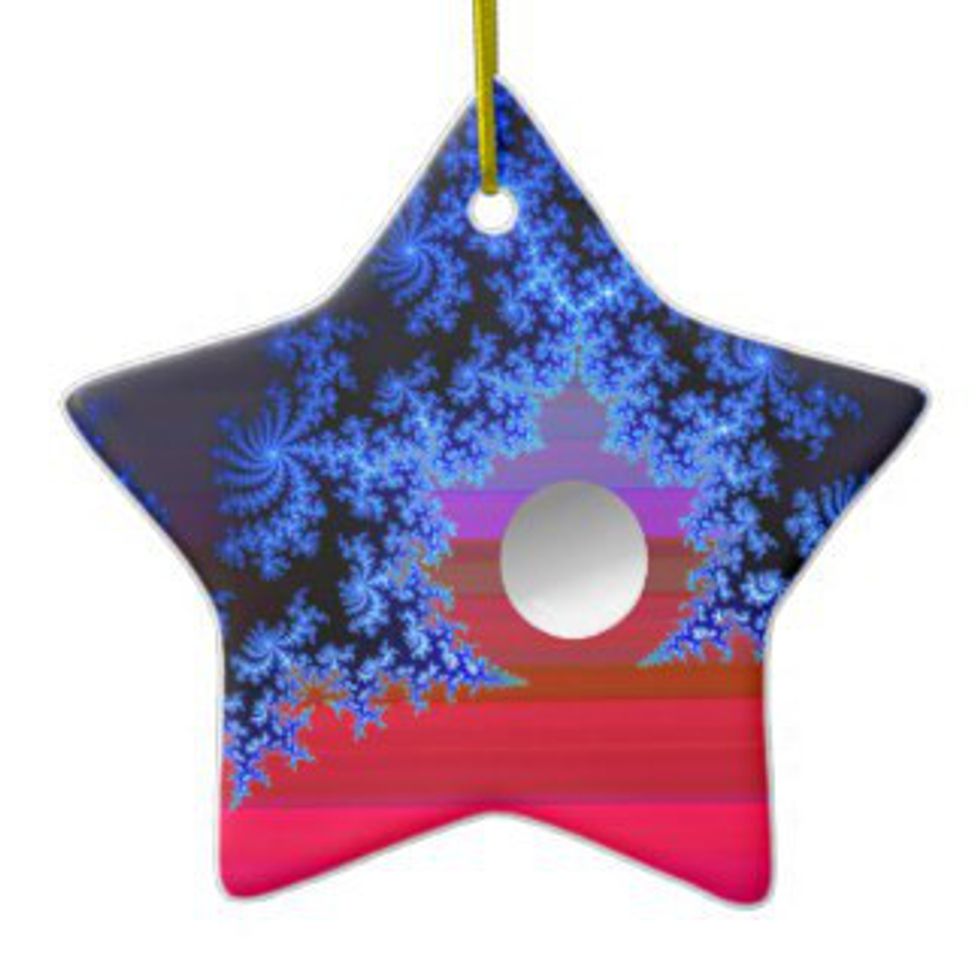
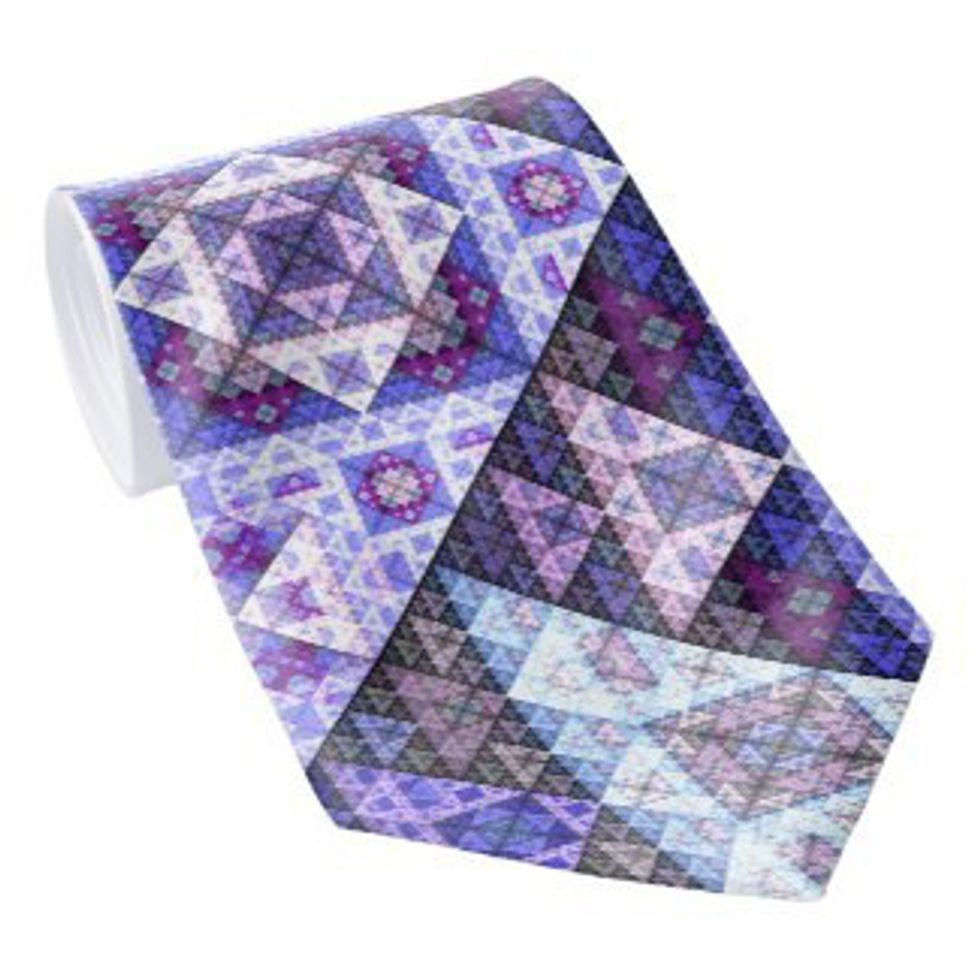
Fractals also make very beautiful artworks and clothing designs:
3. It’s awesome to be able to calculate your chances of finding “the one.”
Oh, love. It’s the most mysterious of all. Ever wonder if there’s a formula for love? Well, there are various versions of the formula proposed by different individuals but were never quite accurate. However, you can always use some probability and statistics to calculate your chances of finding your one and only. If you want an example or template, look at this paper and find out why a British man would be uneasy about his chances of finding the perfect partner. You can do the same to look into your future!
4. Did you know that nature is also fond of math?
Math seeks patterns, and nature happens to exhibit interesting patterns. First, I’ll give you a moment to count the number of petals in each of the flowers in this picture.
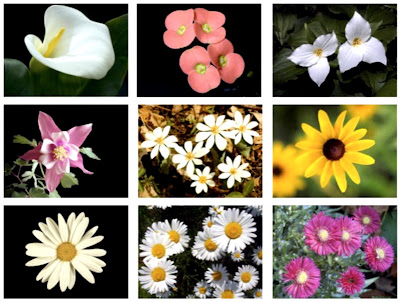
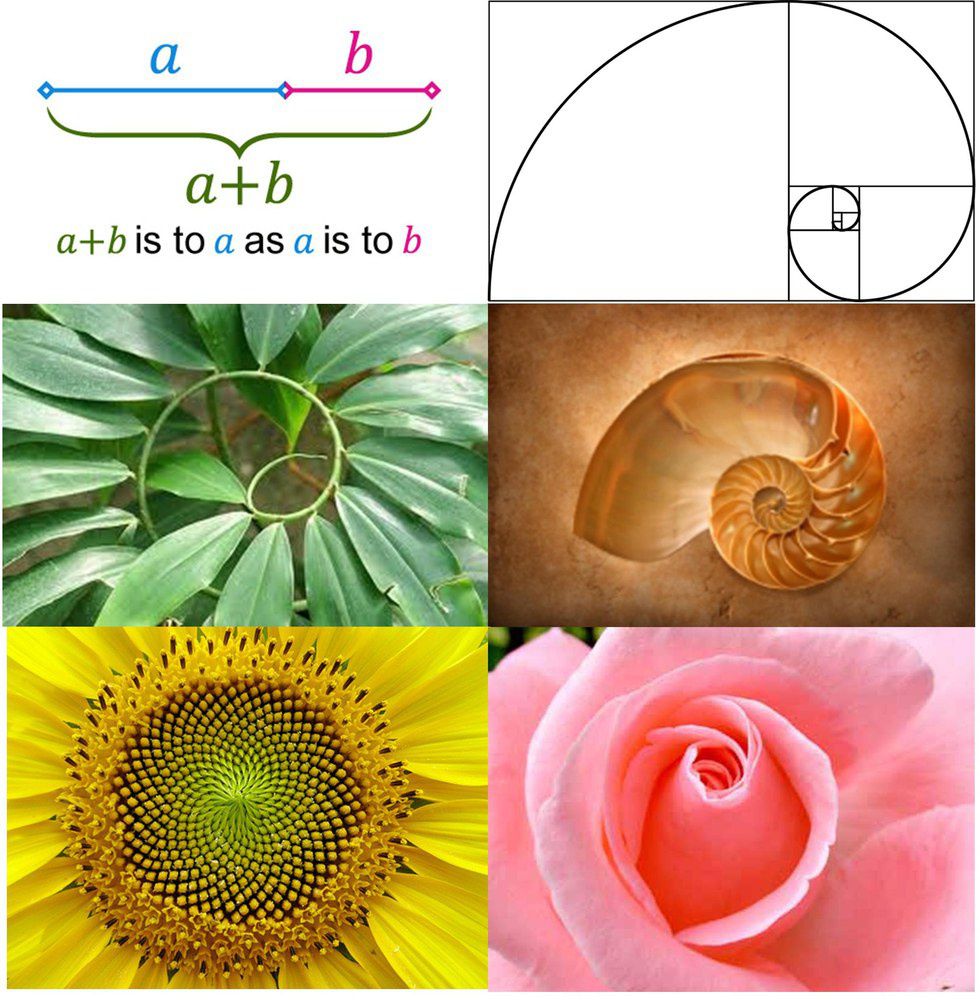
And then look at this sequence of numbers, 1, 1, 2, 3, 5, 8, 13, 21, 34. Can you find all the petal counts in this sequence? The sequence I just showed you is called the Fibonacci sequence. You can get each subsequent term by adding up the previous two adjacent terms starting with 1 and 1, and the resulting sequence turns out to appear in a myriad of places in nature and artworks. The Fibonacci spiral, which is shown below, comes from a diagram of squares whose side lengths are terms of the sequence. They appear in nautilus shells, sunflower seeds arrangement and then Da Vinci’s painting.
How do you feel about math now? It's much more than the mere memorization and calculations we learn in school.