

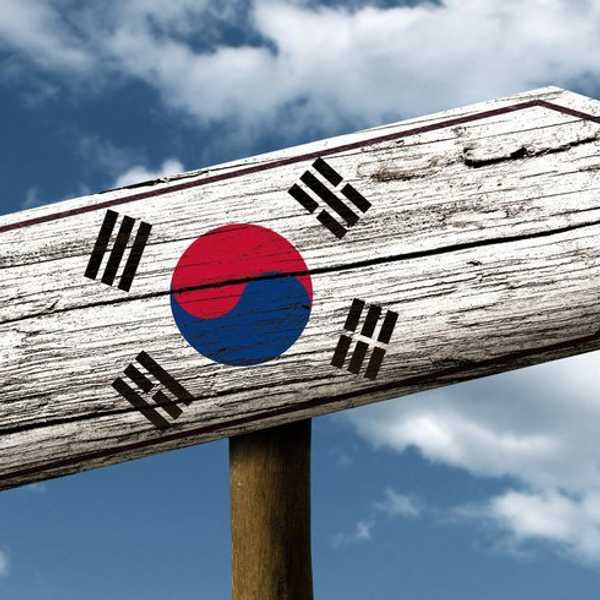

From K-Pop stars like Psy to Korean Dramas like "Boys Over Flowers," it is clear that Korean culture has become increasingly prominent worldwide over the past two decades. This immense expansion and global consumption of Korean pop culture is referred to as Hallyu, or "Korean Wave."
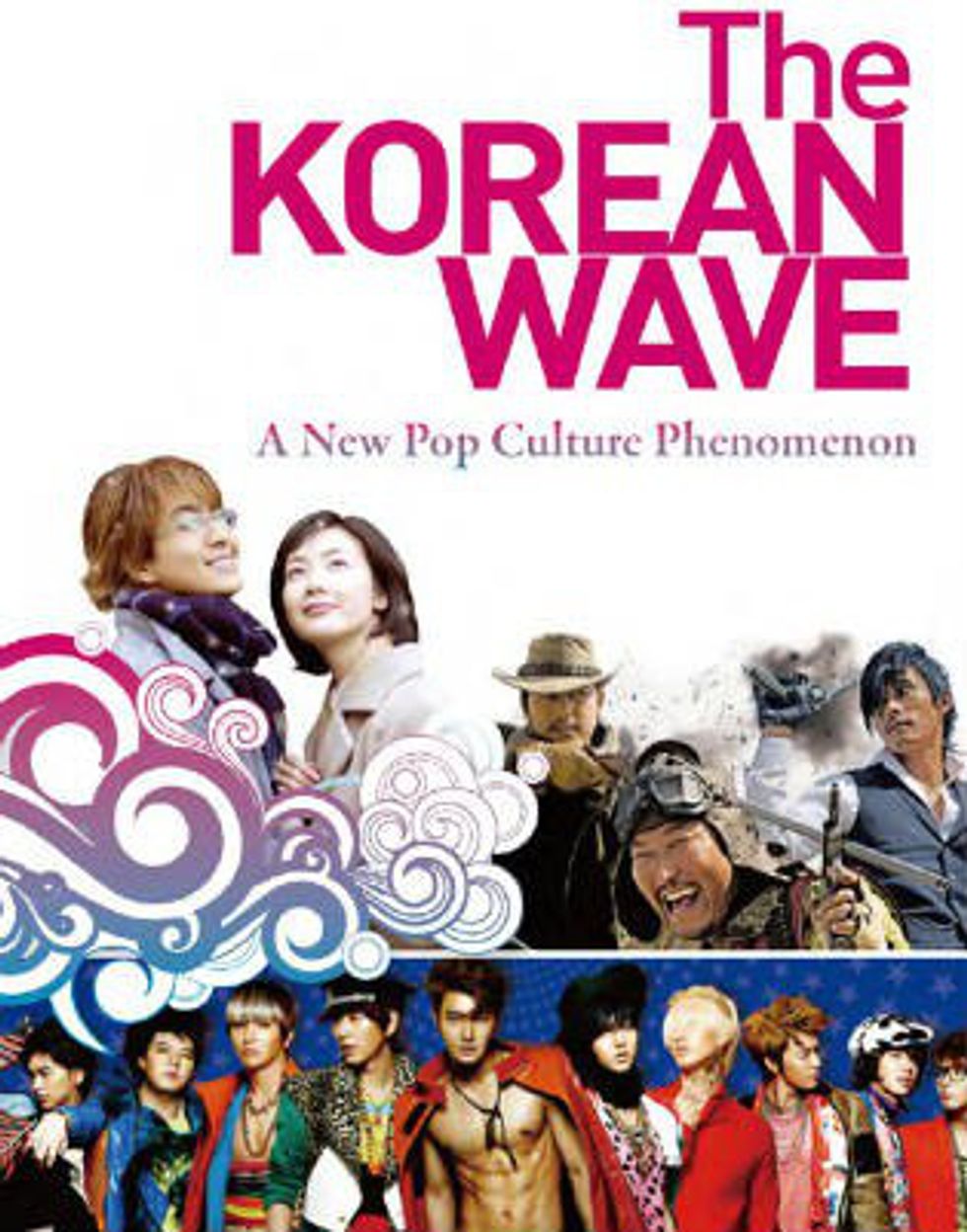
What is Hallyu?
Literally translated, Hallyu means "flow of Korea." Hallyu is the term used to recognize the exponentially quick global spread of Korean pop culture to the world. Originally spreading in East Asia with Korean dramas, the pop culture phenomenon has now become a key feature of Korea's global image with K-Pop, K-Dramas and Korean YouTube stars.
When did Hallyu start?
While there is no definitive start date for the popularity of Korean culture worldwide, there was a rise in the late 1990s of Korea's global and economic superpower. With Korea stepping onto the world stage, South Korea's government developed a plan to increase the spread of Korean pop culture as a national export. To do this, South Korea was equipped with a speedy and efficient Internet structure as well as new Korean pop stars known as "idols." After the Asian Financial Crisis, many Korean conglomerates turned away from the manufacturing industry to the entertainment industry. With money being funneled into the entertainment sector, the Korean entertainment industry was successful in expanding globally, first to East Asia and recently to Europe, North America and the Middle East.
Why Korean culture?
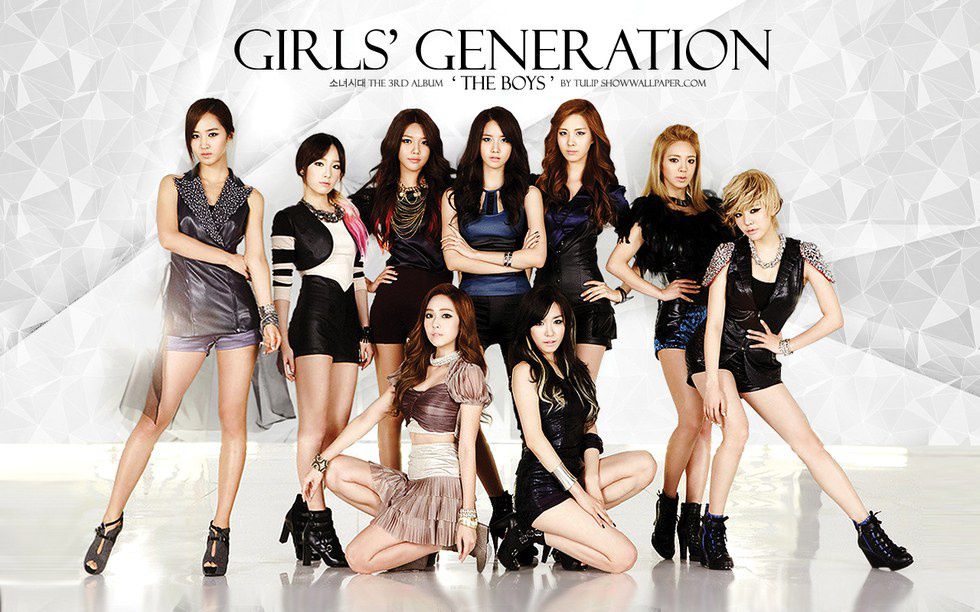
While there are many answers to this question, it was all about timing. While other East Asian countries were also heavily increasing their pop culture presence in the 90s, Korea's entertainment wave came slightly later. With the increased use of video-sharing sites such as YouTube and Vimeo, Korean entertainment companies were able to take advantage of these social media platforms to grow their following faster than through older, slower methods of consumption. In only a couple days, a K-Pop video could go viral, gaining millions of viewers.

I've never heard of it. How prominent is it?
Two words. "Gangnam Style." On December 21, 2012, "Gangnam Style" became the first YouTube video to reach one billion views and has now surpassed 2.5 billion views. You may not have heard of the "Korean Wave" or the term Hallyu, but you certainly have consumed some of Korea's culture whether that is through music, food, TV or YouTube. From that point on, the wave only grew bigger. According to the Korea Times, Hallyu is recently being connected with an international dispute between China and Taiwan due to the waving of a Taiwanese flag in a MBS online broadcast that angered Chinese viewers. College students in the US are also signing up for more Korean language classes with a 45 percent increase in university-level enrollment in Korean language classes between 2009 and 2013, which a Los Angeles Times reporter attributes in part to the Hallyu wave. There is even a Korean pop culture convention held in Los Angeles every year called KCON USA, where fangirls and industry members alike can network and enjoy their love of Hallyu. So yeah, it's kind of a big deal.

















