


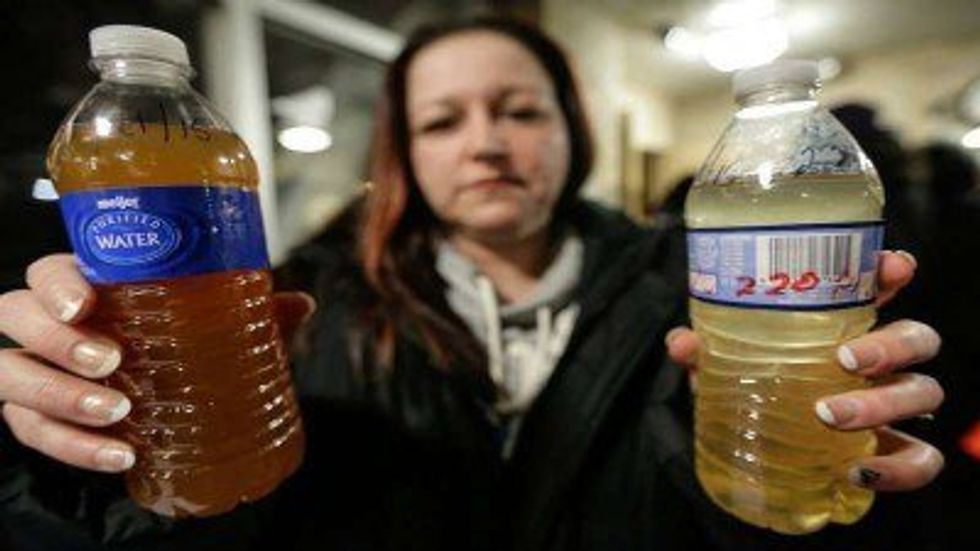
Let's talk about water. We swim in it, bathe in it, drink it. Both the planet and human bodies are made up of about 70 percent water. Without water, we can live maybe three days. It aids in digestion, helps transport oxygen, and regulates body temperature. Because of this, we need a readily available, clean water source to thrive and be healthy. Every day, and without thinking about it, millions of people put trust in their local government and in water treatment facilities to provide this invaluable resource to us.

The town of Flint, Michigan, a fairly impoverished area, has struggled recently with budget deficits. This problem requires spending cuts, usually drastic. The town, which is not far from the Great Lakes, had been buying water for residents from Detroit for years, until about two years ago when the city announced it would shut off its lines to Flint (Lin, Rutter, Park of The New York Times). This left the leaders of Flint scrambling to find another source, and with limited options, the ideal being a connecting line to Lake Huron which was not yet complete, they chose the least expensive route. Anyone in town limits would now get fresh, supposedly safe water from their very own Flint River, as reported by Adam Chandler of The Atlantic, a known dumping ground for corrosive chemicals and factory waste. Proper treatment was assured and assumed.
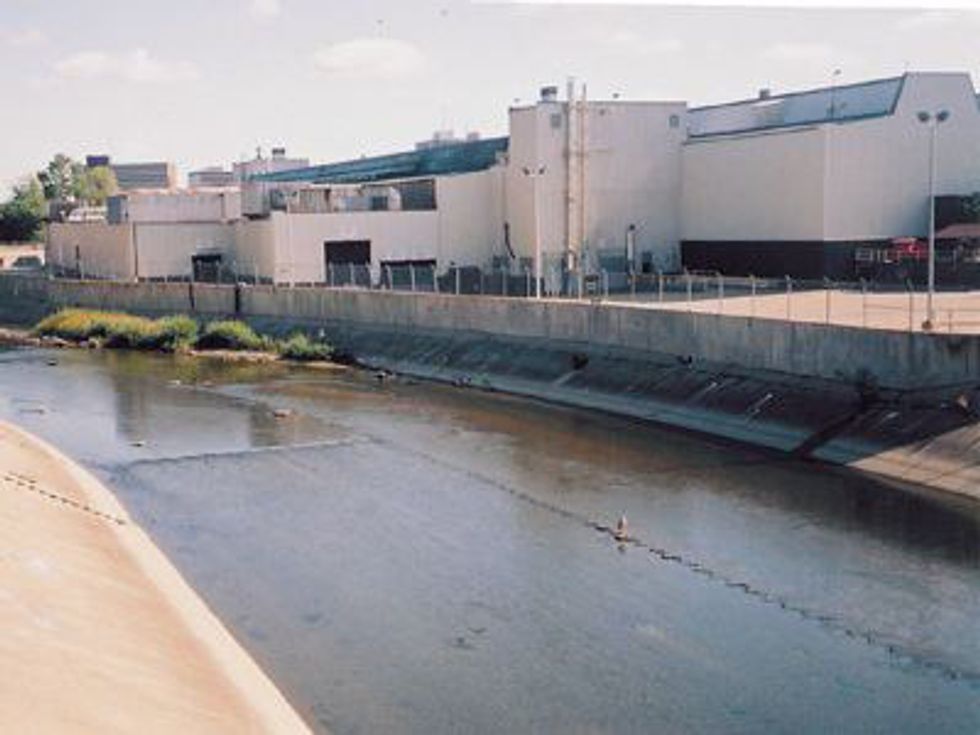
The switch occurred, and right away residents noticed problems. Mild complaints about smelly and strange taking tap water arose, and in more extreme cases, hair fell off in clumps and children developed rashes all over their little bodies. Citizens were advised to boil their water for purity (Lin, Rutter, Park). After extensive testing, the citizens (and especially children) were found to have abnormally high and unsafe levels of lead in their systems; the water traveled from the river, through the old infrastructure of lead pipes, and into homes (Bosman, Davey, Smith, also of The New York Times). IQ levels, bodily development, and joint pain are all associated with excessive lead exposure, and in children these effects are heightened and more serious.
Flint declared a state of emergency for the safety and health of its citizens, and in the time since, has called on the state of Michigan for extensive financial help to both replace lead pipes and locate another water source. Some officials have downplayed the damage caused or shifted blame to other departments, but for the most part, and likely because the story is nationally known now, are working to solve the situation (Chandler). Concerns have been voiced by residents and outsiders that Flint's demographic population and financial struggles played a part in how soon aid was offered, that this would have never happened in a more affluent community, and their claims are not far off base.

America, even in tough times, has a spirit of service and of concern for our fellow man. We go on mission trips to third world countries to help ensure quality of life, and donate money to organizations who build wells and teach locals about the importance of clean water. The water crisis is global, but as proven by Flint, is also in our own backyards. Our own people face water insecurity. Our own children are sick. What Flint needs now, other than obviously a new water source and healing from the damage done, is support and to know that they were heard.

















