

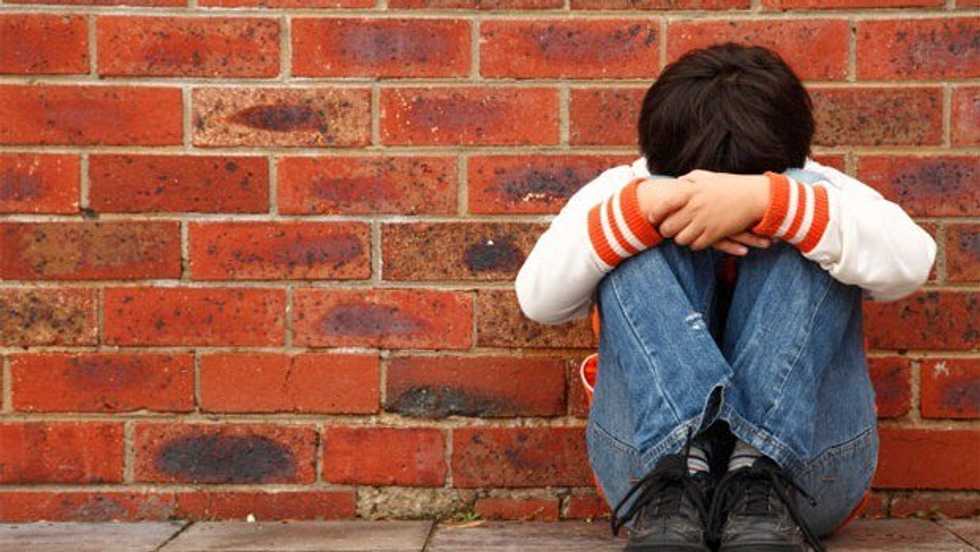
He walked towards me, a group of his friends standing close behind him, snickering. I was waiting for the bus after school, standing alone as I usually did. I must have been in seventh grade, a time when I didn't have many friends. I guess no one wanted to be friends with the weird girl.
He approached me with a grin on his face, his friends trailing behind him in support as he moved closer. I was confused as to why he was coming towards me until he finally spoke: “Why are you so ugly?” he said, pointing at me. “Why does your face look like that?”
I froze. My mouth went dry, I couldn’t speak. My thoughts went silent, accepting the painful words he threw at me. I guess I was used to this by now. Ever since elementary school, I have gotten bullied because of my looks. Maybe they didn’t like my pimple-covered face or my frizzy hair.
Fact of the matter is, I didn’t live up to society’s standards of beauty, and for some reason, had to suffer for it.
Half way through the school year, I moved towns. This turned out to be good for me, because I wasn’t bullied as much at my new school. Although I had new friends and a new life, the emotional damage lingered on.
The tiny voice in the back of my mind telling me I wasn’t good enough was similar to that of the boy who came up to me that day I waited for the bus.
The words spoken to me so long ago held me back like a weight I couldn’t quite shake off. As much as I tried to put myself out there, to love myself and love the way I looked, I couldn’t convince myself. The voice was still there, whispering to me in the back of my mind.
To this day, I have a hard time accepting myself. Even though the bullying I endured happened many years ago, their words stuck, and have never been something I could shake off.
I know I am not alone when it comes to being bullied as a child. According to ChildTrends.org, in 2011, 14 percent of children ages 2 to 17 experience physically bullying, and 37 percent of children of the same age group experience emotional bullying. The emotional toll brought upon these children from their own classmates is everlasting.
Why do children make fun of each other, even from such a young age? We raise them to believe that people should look a certain way. We all cannot meet society’s standards of beauty.
It’s impossible. We are different, and we must teach our children this. They must understand, from a young age, that everyone is beautiful in their own way. We cannot continue to allow them to believe in this impossible expectation of themselves and others any longer.

















