

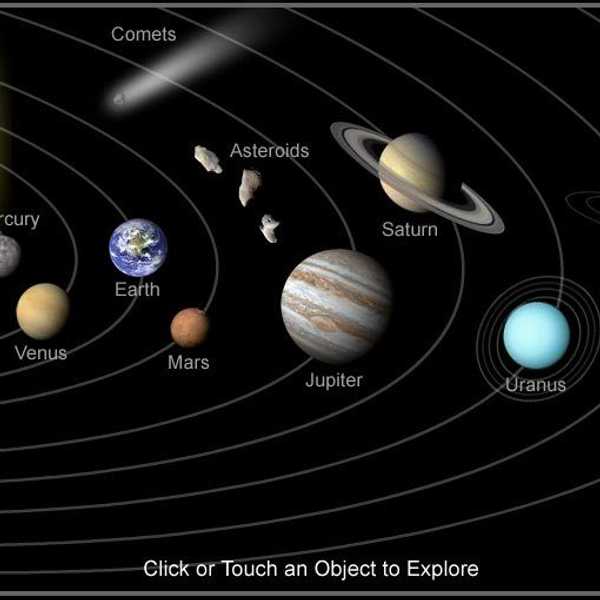
First, Pluto was demoted from 'planet' to 'dwarf-plant.' And now, further news about Pluto has been getting drowned out by gay rights and cop aggression headlines. Social issues my be easier to follow and more passionate topics, but that does not diminish the importance of what happened mid-July. Yet, odds are, half of you have no clue what happened so let's spend a little time talking about Pluto.
Before we get to what happened, here's a little background information on Pluto:
Pluto used to be the ninth planet in our solar system (and the only one named by an eleven year old girl in England), but was reclassified as a dwarf-planet in August, 2006, due to its size and location in space. Technically, Pluto is actually considered a plutoid - a dwarf planet that is farther out in space than the planet Neptune - but it is usually just referred to as a dwarf-planet. This colder-than-ice dwarf-planet is covered in mountains (some more than 3 kilometers high) and has five moons keeping it company at the edge of our solar system. Because it is so far out, we have yet to visit Pluto.
Until now!
On January 19th, 2006, The New Horizons Mission began as a group of well-trained astronauts that took off into space. Their mission: to travel the 4.67 billion miles (7.5 billion kilometers) to the planet Pluto. The idea was to snap some pictures of the planet and its surrounding moons so that we could have a better understanding of what is going on out there. No, they were not searching for aliens.
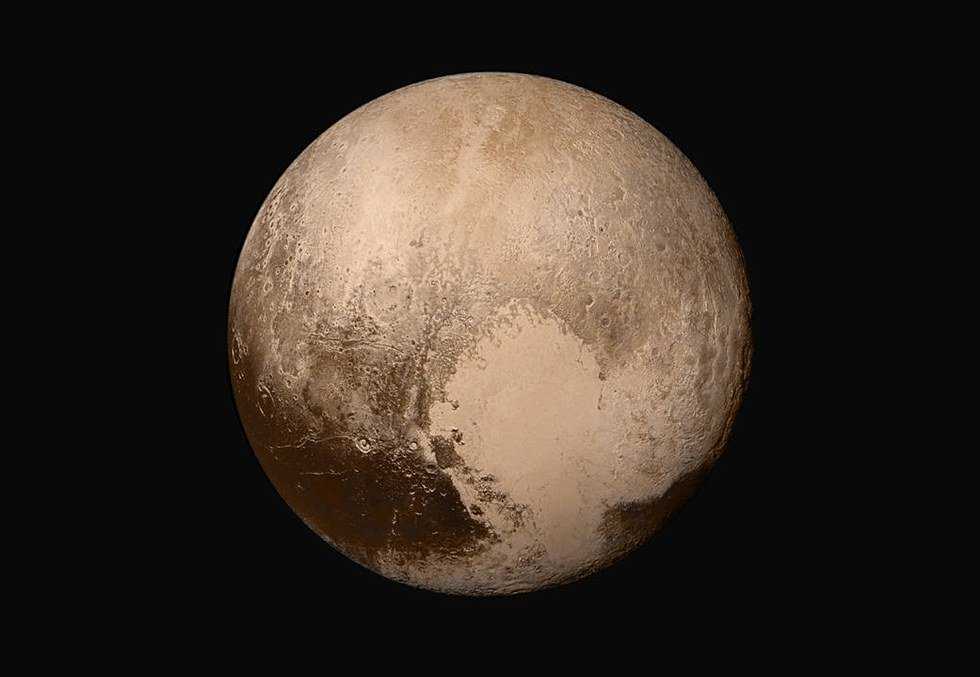
Greetings, Pluto! As of July 14th, 2015, the operations manager for New Horizons has made contact with Earth after NINE AND A HALF YEARS. That's a long trip. The crew has finally made it to Pluto and although it is no longer a planet, this dwarf-planet seems to get more interesting as we progress technologically and are able to get closer to this icy planet in the depths of our solar system. Now that we have reached Pluto, detailed pictures of it's surface and it's five moons have been taken. Over the 16 months, the complete set of data and pictures of Pluto will be delivered back to Earth.
From just the few pictures we have received thus far, we have learned that Pluto is far from being the dead, cold, dwarf-planet we assumed it was. The pictures revealed a lack of meteorite impacts on Pluto's surface, hinting that a geological process requiring vast amounts of heat are at play in an area that is approximately 400 degrees below zero. Cue the start of a new study!
Why does this matter to you? Because space is cool. It is bigger than us, it's surrounding us and we know close to nothing about it. Every little discovery is a pretty big deal. These pictures of Pluto are another "one small step for man, one giant leap for mankind," (although this time, it's not literally a step) as we learn more and more about not the world around us, but the solar system that houses us.