

If you have had any Greek life experience, you've probably questioned how it could possibly relate to your career path. It’s common to question whether or not the time spent in a sorority or fraternity will actually be worthwhile apart from the friendships and experiences made. I have personally experienced times questioning whether or not being in a sorority would really benefit me in my path to becoming a teacher. Was it all a waste of time? Now that my four years are over, I can confidently say that I feel prepared to embark on this career path. I owe it all to being Greek.
I’ve come to learn that teaching requires a variety of skills both inside and outside of the classroom. These skills can be broad or specific depending on the age group, subject, location, etc. Below, I have made a list of the top five areas that I found for Greek life to be relevant for the aspiring teacher.
1. Higher Standard

As sorority women, we are all held to a higher standard. This is for our individual chapters and for our selves in every area of the outside world. Early on, we are taught to dress appropriately through different professional dress requirements for chapter meetings and other events going on around campus. We are taught professionalism through leadership training and chapter positions. The core values that both sororities and fraternities stand by help to guide the standards we set for ourselves. We strive to stay true to our standards in every part of our lives and in every interaction with others. Standards guide us as people and as effective members of society.
As teachers, these standards still hold true to how we present ourselves to our peers and our students. We are expected to dress appropriately and to be professional in our interactions with others. The values we represent make up the high standards we set for ourselves as effective, encouraging, and knowledgeable teachers. Every school has different standards and expectations that Greeks have experience in upholding.
2. Leading the Pack
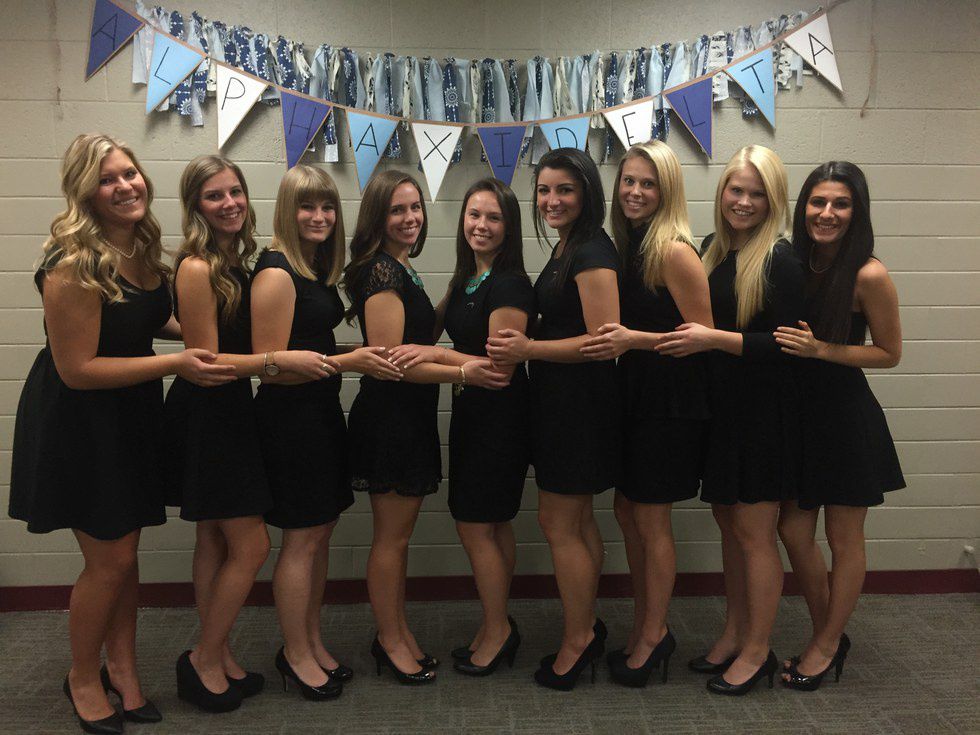
For those aspiring teachers who have held leadership positions in their Greek organization or Panhellenic Council, stick with it. For those who haven’t, strongly consider this. When upholding a leadership position, we learn to guide people, communicate with others, and implement plans. I had the opportunity to serve as my chapter’s New Member Educator and Chapter Life Vice President. Both of these positions challenged me to communicate with groups in an effective manner. I learned how to turn ideas into plans and to encourage cooperation. I encountered several moments that required problem solving to better accommodate specific members or situations for the betterment of the whole.
Teachers are expected to lead their students every day. Through lesson planning, we turn ideas into plans through careful consideration and accommodations. Problem solving meets specific needs and yields better outcomes. We are expected to communicate content to our students effectively. We are also expected to communicate with our principals, other teachers, and parents.
3. Craft
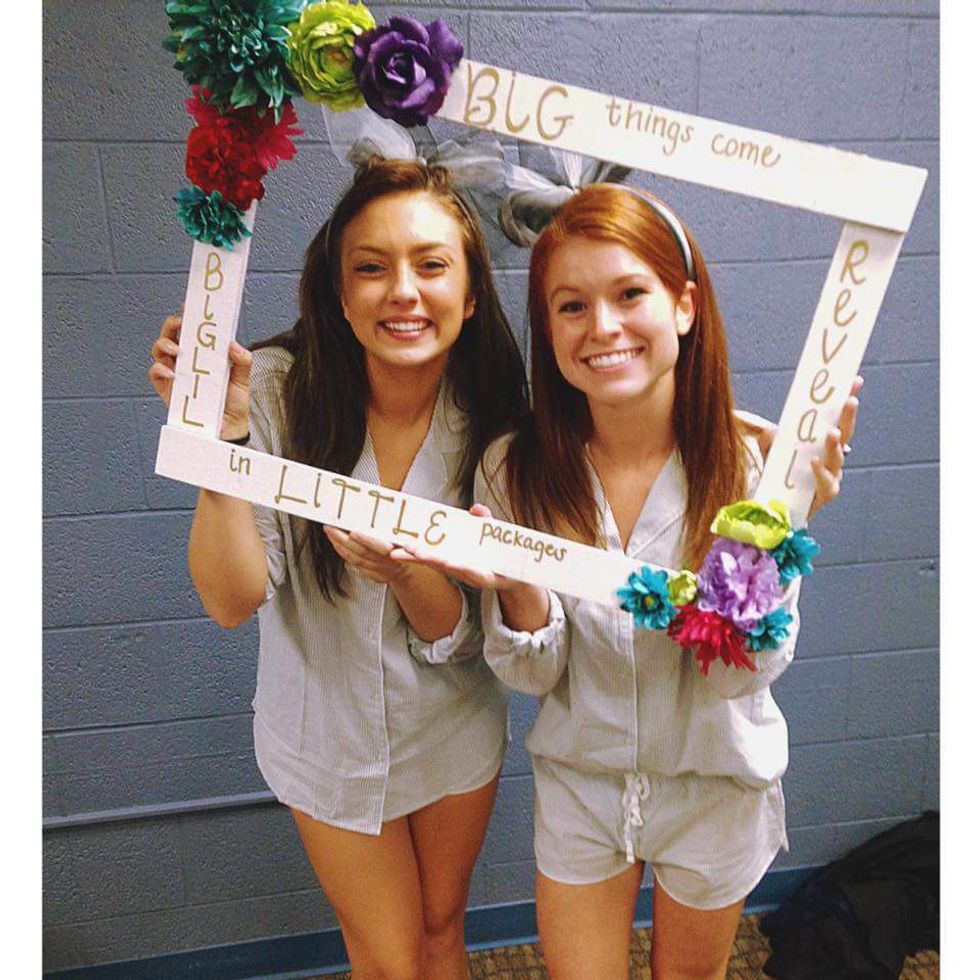
As silly as it may sound, all of the nights spent crafting for our littles, formals, recruitment, and philanthropy events may have been worth the time we put into it. By doing this, we learn to organize and effectively implement ideas. Having good craft is important for teachers in setting up a positive classroom environment for all students to feel welcome and comfortable. Experience in crafting gives us new ways for students to learn hands on and to cater to different learning styles. Good craft helps us to present content to students in engaging ways.
4. Community Involvement

Every single Greek organization has a specific philanthropy(s) that they support. This teaches us to give back to our community and opens our hearts to a greater cause. Each fraternity and sorority on my campus puts events on during the year in honor and support of a specific person or national organization. My sorority’s philanthropy happens to be Autism Speaks. We have worked with students and families who suffer from this disorder and we volunteer at Walk Now for Autism Speaks to show our support. Through this, we learn the value of giving back.
Teachers are expected to be involved in the school and community beyond the classroom. Being involved in extracurricular activities and being apart of different organizations shows our passion for bettering our students and communities. Not only are we expected to be involved outside of the classroom, we are also expected to teach our students the value of getting out there and giving back for the betterment of the community.
5. Encouragement

Above all, one of the most important parts of being involved in a Greek organization is sisterhood and brotherhood. As brothers and sisters to one another, we learn to raise each other up. We encourage each other to realize their potential in every aspect of their lives. Sisterhood allow us to support and gain support from others. The encouragement offered through Greek life allows members to pursue their dreams in confidence.
In this day in age, encouragement may be the most crucial element of education. Students of all backgrounds need support and understanding. Before learning can happen, encouragement needs to be considered. This helps students to keep moving forward toward reaching success. Sisters never give up on one another. Teachers should never give up on their students. They should build each student up and students should do the same to one another.
So, is Greek life relevant to the aspiring teacher? The answer is YES. What you put into it, you get out of it. Continue to realize your potential and you will be able to help your future students to do the same.